Traditional Thai Massage: Ancient Healing Backed by Modern Science
Physical recovery requires more than just passive rest. Active intervention plays a critical role in restoring muscle function, clearing metabolic waste, and improving joint mobility. For centuries, Eastern traditions have utilized structured physical manipulation to achieve these exact results. Clinical research now confirms what practitioners have known for generations. Traditional physical therapies offer profound physiological benefits that extend far beyond simple relaxation.
In Las Vegas, NV, the demand for effective recovery methods is particularly high. The local environment presents unique physical challenges. Professionals work long hours on casino floors, athletes train in the intense desert heat, and visitors walk miles along the Strip. These activities create compounding physical tension and structural imbalances. Addressing this structural stress requires a highly specialized approach. At My Thai Massage, the focus remains on delivering an authentic experience that merges historical techniques with a deep understanding of human anatomy.
This practice is not merely a spa luxury. It is a comprehensive system of bodywork designed to realign the physical structure and stimulate the nervous system. Understanding the mechanics behind this ancient practice reveals exactly why it remains a highly effective treatment option for modern physical ailments.
The Historical Roots of the Practice
The origins of this modality trace back over two millennia. Historical records attribute the foundational techniques to Jivaka Kumar Bhaccha, a renowned physician who treated the Buddha and his monastic community. The practice migrated from India to Southeast Asia alongside Buddhist philosophy. It evolved into a complex healing art by combining Indian Ayurvedic principles with indigenous Southeast Asian medicinal practices and traditional Chinese medicine.
Historically, this knowledge was passed down orally from master to student within the walls of Buddhist temples. The most famous repository of this medical knowledge is Wat Pho in Bangkok. During the nineteenth century, King Rama III commissioned scholars to carve the medical texts and anatomical diagrams into stone tablets at the temple. These epigraphs served to preserve the medical knowledge for future generations. The diagrams detail the intricate networks of energy pathways that traverse the human body. These historical texts form the educational foundation for every authentic practitioner working today.
How a Skilled Massage Therapist Approaches the Body
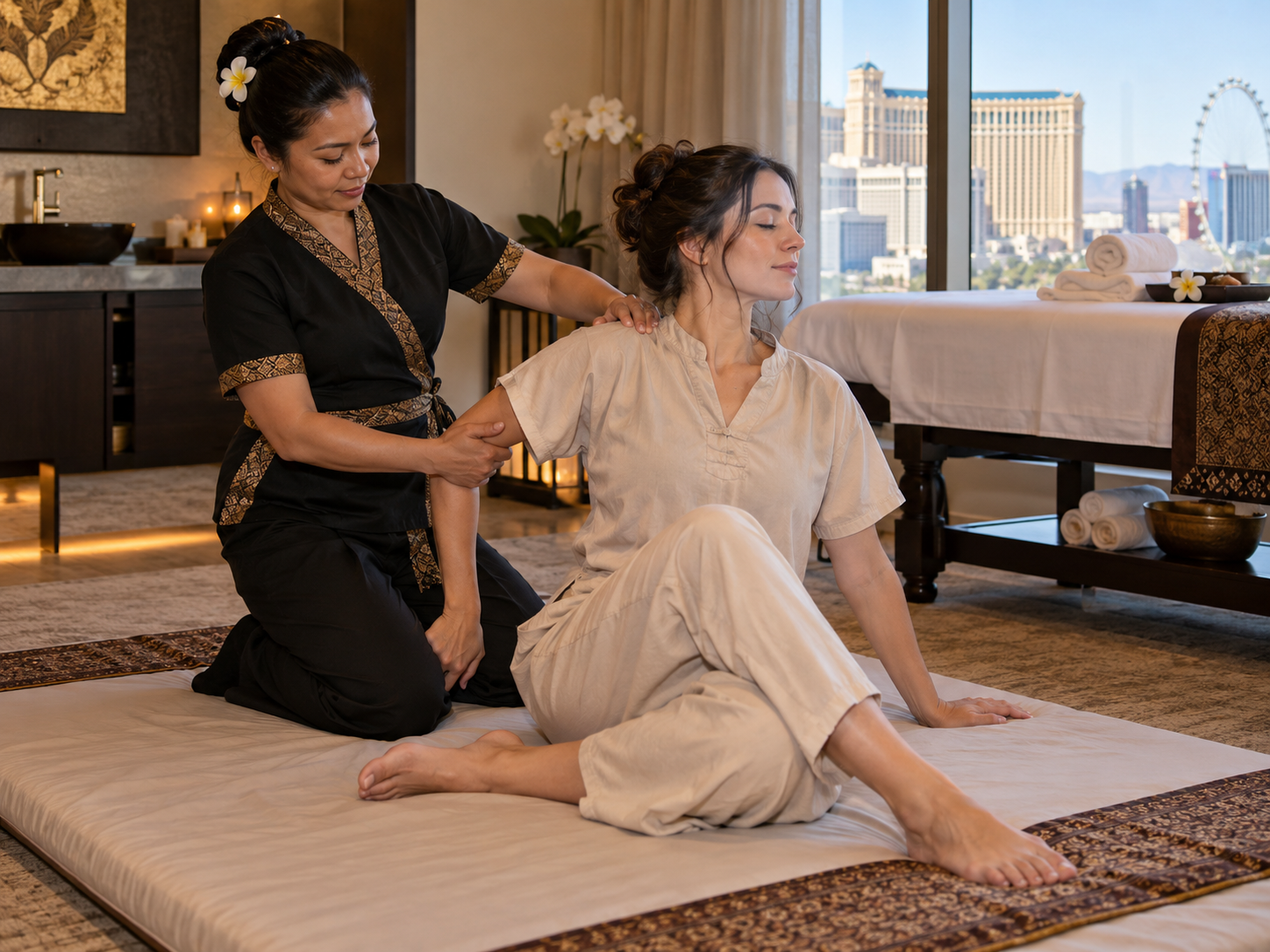
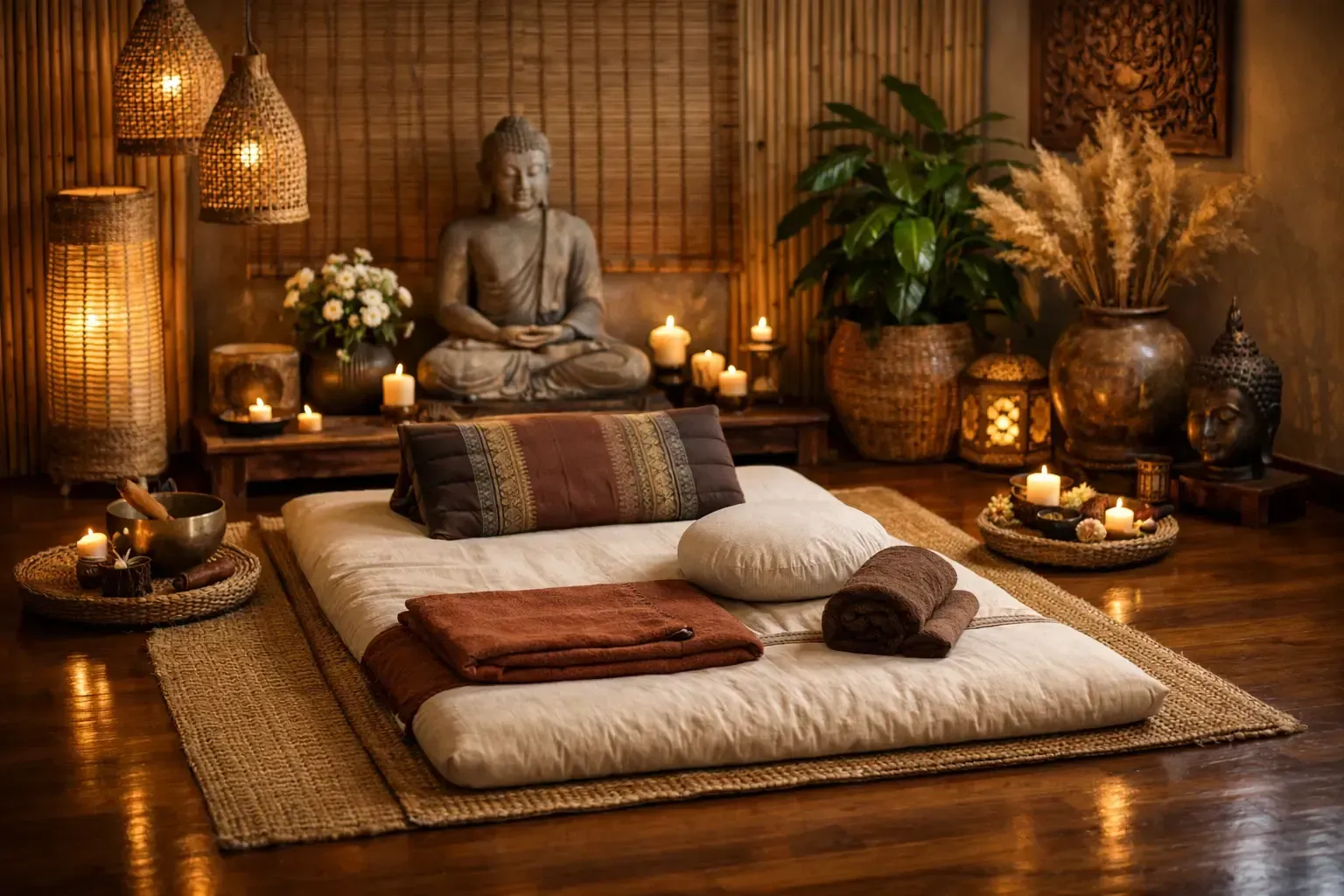
The clinical application of this bodywork differs significantly from Western modalities. A standard session does not take place on a raised table. Instead, the client lies on a supportive mat on the floor. This spatial arrangement allows the massage therapist to utilize their own body weight and leverage effectively. Furthermore, the client remains fully clothed in loose, comfortable garments, and the practitioner does not use oils or lotions.
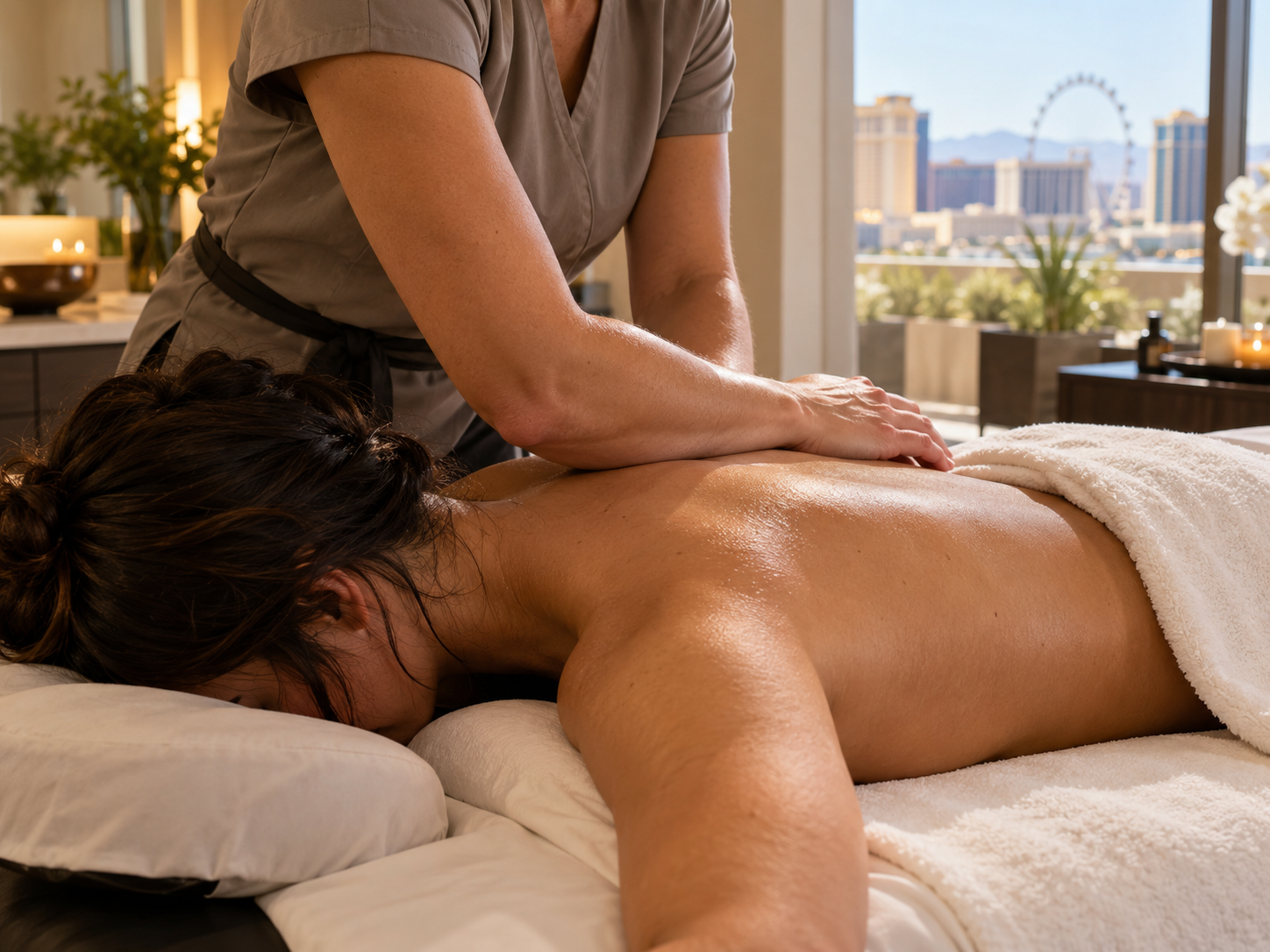
The practitioner employs a variety of contact points to apply pressure. A highly trained massage therapist will use their thumbs, palms, forearms, elbows, knees, and feet to manipulate the client's muscle tissue. This multi-point approach allows for a dynamic and varied application of force, adjusting to the specific density and resistance of different muscle groups.
Understanding the Sen Energy Lines
Central to the methodology is the concept of Sen lines. Traditional theory posits that life energy flows through these invisible pathways. While Western medicine does not recognize energy lines in a literal sense, modern anatomical science offers a compelling parallel. The Sen lines map almost perfectly onto the body's myofascial meridians. These are the continuous web-like bands of connective tissue that encase muscles and organs. By applying systematic pressure along these specific lines, the practitioner effectively releases fascial adhesions. This release reduces tissue stiffness and restores standard functional movement patterns.
Assisted Stretching and Compression Techniques
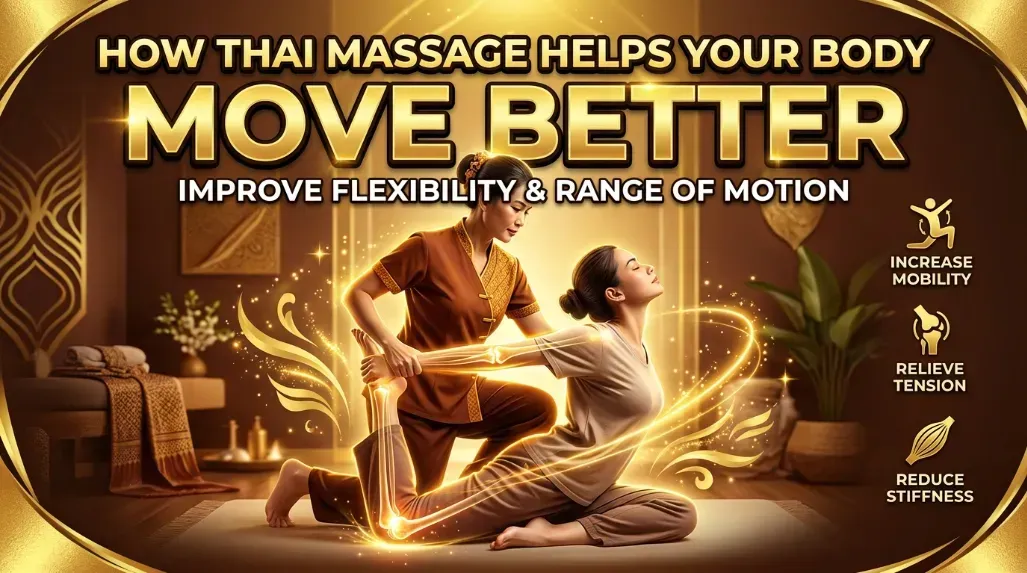
The defining characteristic of this modality is the integration of passive stretching. Practitioners guide clients through a sequence of yoga-like postures. The practitioner supports the client's weight and provides targeted resistance. This rhythmic compression combined with structural mobilization creates a pumping effect within the muscles. The dual action forces stagnant fluid out of the soft tissues while drawing in fresh, oxygenated blood to accelerate cellular repair.
Modern Scientific Evidence Supporting Massage Therapy
The intersection of ancient tradition and contemporary medicine is where this practice truly proves its value. Decades of clinical trials have investigated the specific biological mechanisms activated during a session. The resulting data provides robust scientific evidence supporting massage therapy as a viable intervention for numerous acute and chronic conditions.
One of the most heavily researched areas involves the autonomic nervous system. Studies consistently demonstrate that the rhythmic, systematic pressure applied during a session significantly lowers resting heart rate and decreases cortisol production. This shift moves the body from a sympathetic state of stress into a parasympathetic state of recovery. This neurological shift is mandatory for deep tissue healing and systemic inflammation reduction.
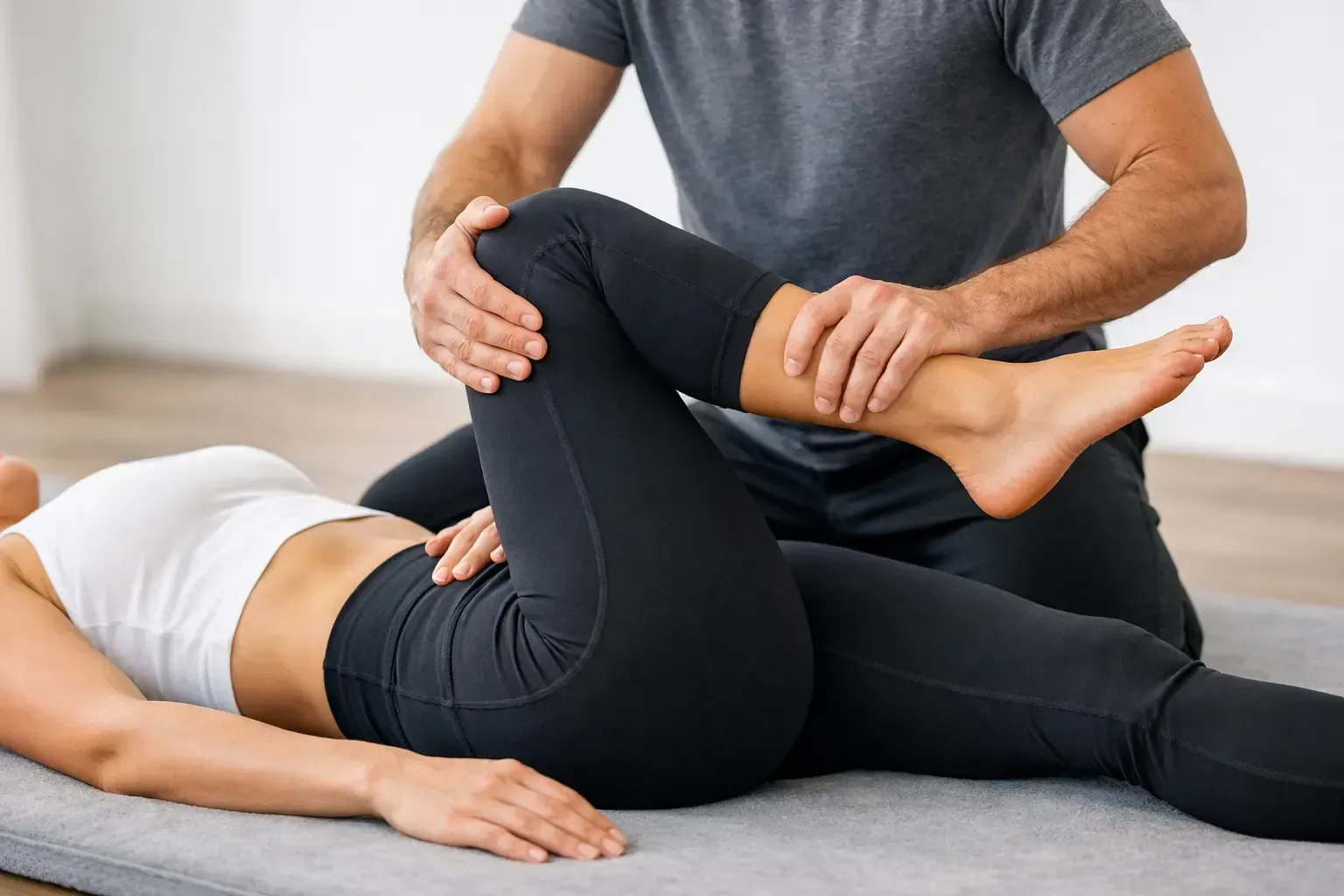
Furthermore, biomechanical research highlights the efficacy of assisted stretching for joint health. Osteoarthritis patients frequently experience a measurable reduction in localized pain and an increase in joint mobility following consistent treatment. The passive stretching protocols separate the joint spaces slightly, allowing synovial fluid to lubricate the articular cartilage. For individuals suffering from chronic lower back pain, the targeted release of the psoas and the lengthening of the hamstrings provide immediate structural relief that standard pharmaceutical interventions cannot replicate.
Modality Comparison: A Clinical Overview
Understanding how this specific modality compares to other standard treatments helps individuals make informed decisions about their physical health. Different styles of bodywork target different physiological systems. The table below outlines the primary mechanisms, applications, and scientifically documented benefits of the most common therapeutic approaches.
| Therapeutic Modality | Primary Technique | Anatomical Focus | Documented Scientific Benefit |
|---|---|---|---|
| Traditional Thai | Assisted stretching, rhythmic compression | Fascial meridians, joint capsules | Increases range of motion, lowers systemic cortisol |
| Swedish | Effleurage, petrissage, gliding strokes | Superficial musculature, lymphatic system | Improves venous return, induces parasympathetic state |
| Deep Tissue | Sustained firm pressure, slow friction | Deep muscle fascia, chronic adhesions | Reduces localized chronic pain, breaks down scar tissue |
| Sports | Targeted mobilization, trigger point | Tendon insertions, sport-specific muscles | Accelerates metabolic waste clearance, prevents injury |
Finding Authentic Thai Massage in Las Vegas
Locating a practitioner who strictly adheres to the authentic foundational principles is critical for achieving the desired physical outcomes. In a city like Las Vegas, the options for wellness and recovery are abundant, yet the quality and authenticity of the services vary dramatically. Residents dealing with the physical demands of the hospitality industry, as well as visitors recovering from extensive travel, require highly competent care.
A properly executed traditional Thai massage offers a unique reset for the musculoskeletal system. The combination of targeted acupressure, fascial manipulation, and joint mobilization addresses the root causes of physical dysfunction rather than merely masking the symptoms. By choosing a specialized facility, clients ensure they receive treatments grounded in centuries of historical refinement and supported by modern anatomical science. Prioritizing this level of structural care represents a profound investment in long-term physical longevity and daily operational performance.
Frequently Asked Questions
Is the treatment painful?
A common misconception is that the process must be painful to be effective. A highly trained practitioner will constantly communicate with you to gauge your comfort level. The pressure applied is firm and intentional, designed to find the edge of tissue resistance. You may experience a sensation commonly described as a productive release when addressing tight knots, but the treatment should never cause sharp or intolerable pain.
What should I wear to my appointment?
Unlike other modalities that require disrobing, you will remain fully clothed for the duration of the session. You should wear loose, breathable, and comfortable clothing that allows for a full range of motion. Athletic wear, yoga pants, or loose cotton garments are ideal. Many authentic facilities provide specialized, loose-fitting attire designed specifically for these sessions to ensure maximum comfort and flexibility.
How often should I receive treatment?
The optimal frequency depends entirely on your personal physical condition and wellness goals. For acute muscle recovery or addressing severe mobility restrictions, scheduling a session once a week yields the fastest results. For general physical maintenance, stress management, and ongoing joint health, receiving a treatment once or twice a month provides excellent sustained benefits.