Understanding the Physiology of Stress Relief Through Specialized Massage Therapy
Living and working in Las Vegas presents a unique set of demands. The relentless pace, intense desert heat, and continuous sensory input manifest physically as chronic muscle tension, structural fatigue, and systemic inflammation. The human body is not designed to sustain this level of physiological arousal indefinitely. When the sympathetic nervous system remains engaged over long periods, targeted intervention is necessary to force a biological reset. Precise physical manipulation provides a direct pathway to shifting the body from a state of alert to a state of recovery.
The Mechanics of Body Stress Relief
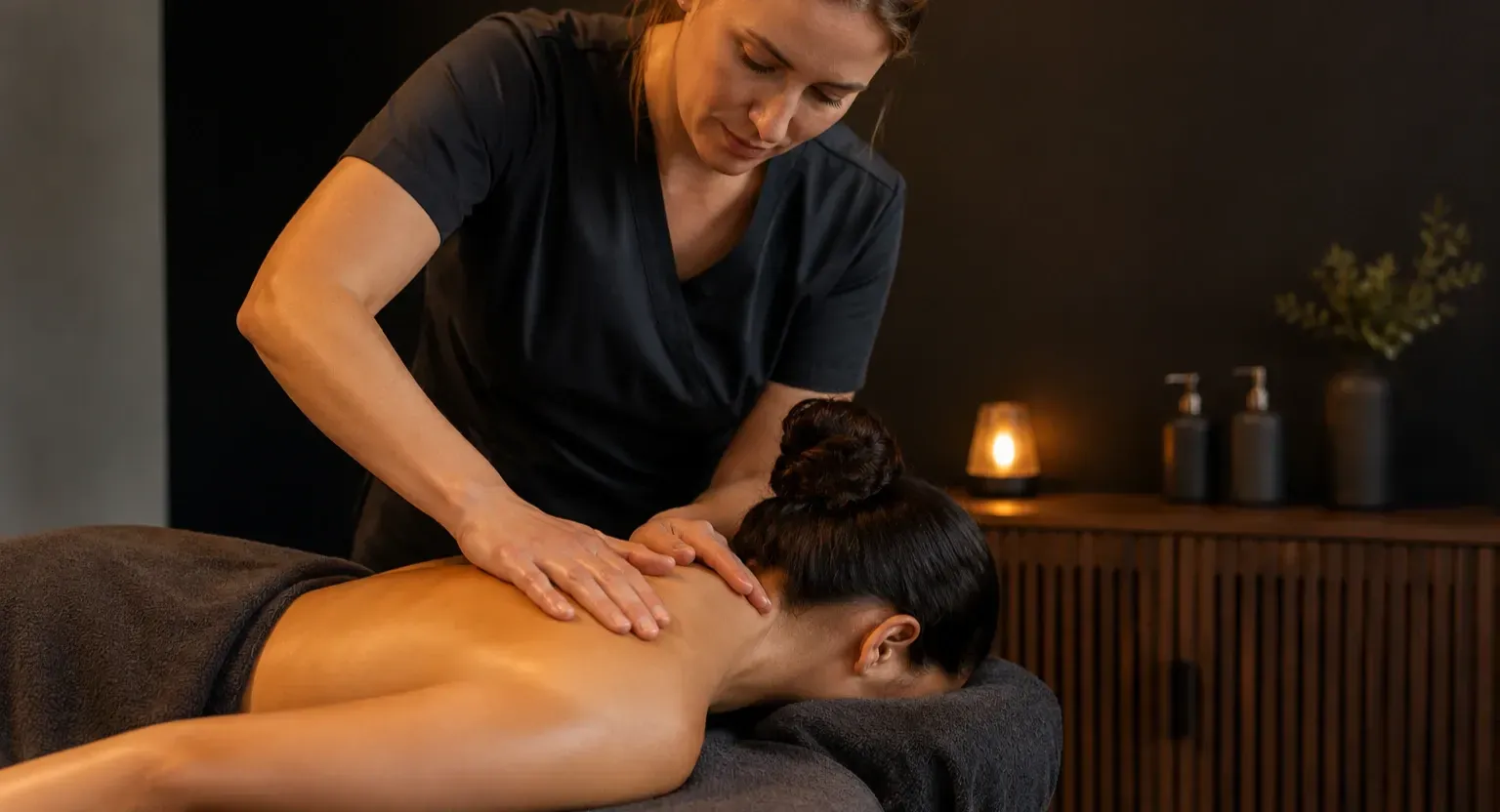
Stress is a purely anatomical event. When cortisol and adrenaline flood your system, your muscles contract to prepare for physical action. If that action never occurs, the tension remains trapped within your soft tissue framework. Over time, this biological holding pattern leads to restricted blood flow, limited joint mobility, and painful localized trigger points.
Achieving true body stress relief requires more than passive relaxation. It demands targeted mechanical manipulation to break down fascial adhesions, flush stagnant cellular waste out of the muscle bellies, and signal the parasympathetic nervous system to take control. Different soft tissue manipulation techniques address highly specific physiological roadblocks. Understanding exactly how these modalities work allows you to choose the exact protocol your body requires to repair itself.
The Restorative Power of Thai Massage
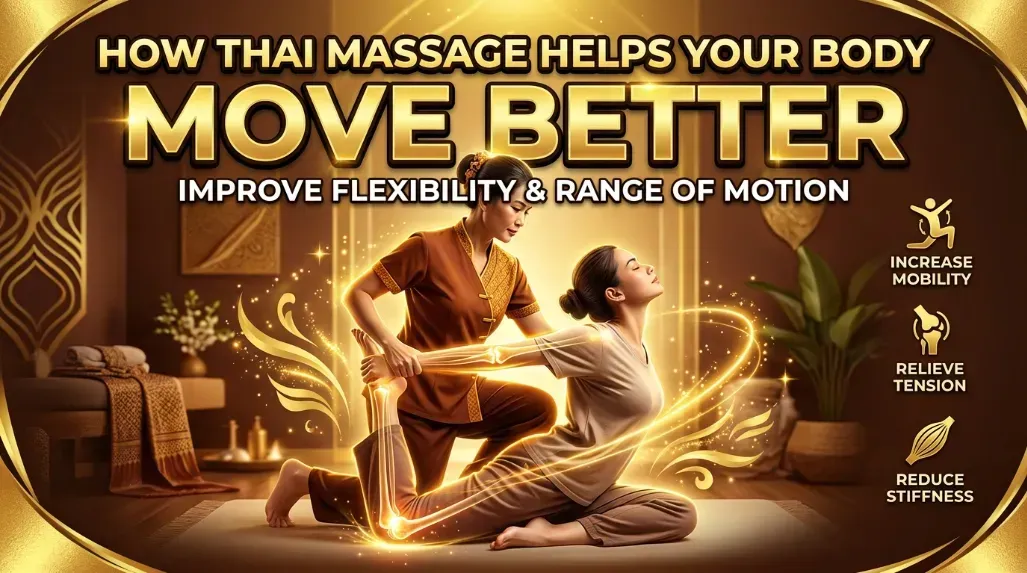
Thai Massage operates on entirely different principles than conventional Western table massage. Instead of lying passively while a practitioner uses oils to glide over bare skin, you actively participate in a dynamic sequence of compressions and assisted stretches. Practitioners use their hands, knees, legs, and feet to move your body into specific, yoga-like postures.
This active mobilization physically lengthens tight musculature and decompresses rigid joints. The rhythmic pressing along specific anatomical energy lines stimulates intense blood flow and accelerates lymphatic drainage. This rush of circulation delivers oxygen-rich blood to depleted tissues while carrying away the metabolic waste products that contribute to chronic muscle soreness.
For residents dealing with the intense physical toll of Las Vegas, experiencing an authentic session at My Thai Massage offers a highly effective method for restoring structural balance and functional flexibility. The stretching components also stimulate proprioceptors within the joints. This sensory feedback tells the brain that the body is safe and expansive, which directly lowers heart rate and normalizes blood pressure.
Targeting Chronic Pain with Deep Tissue Massage
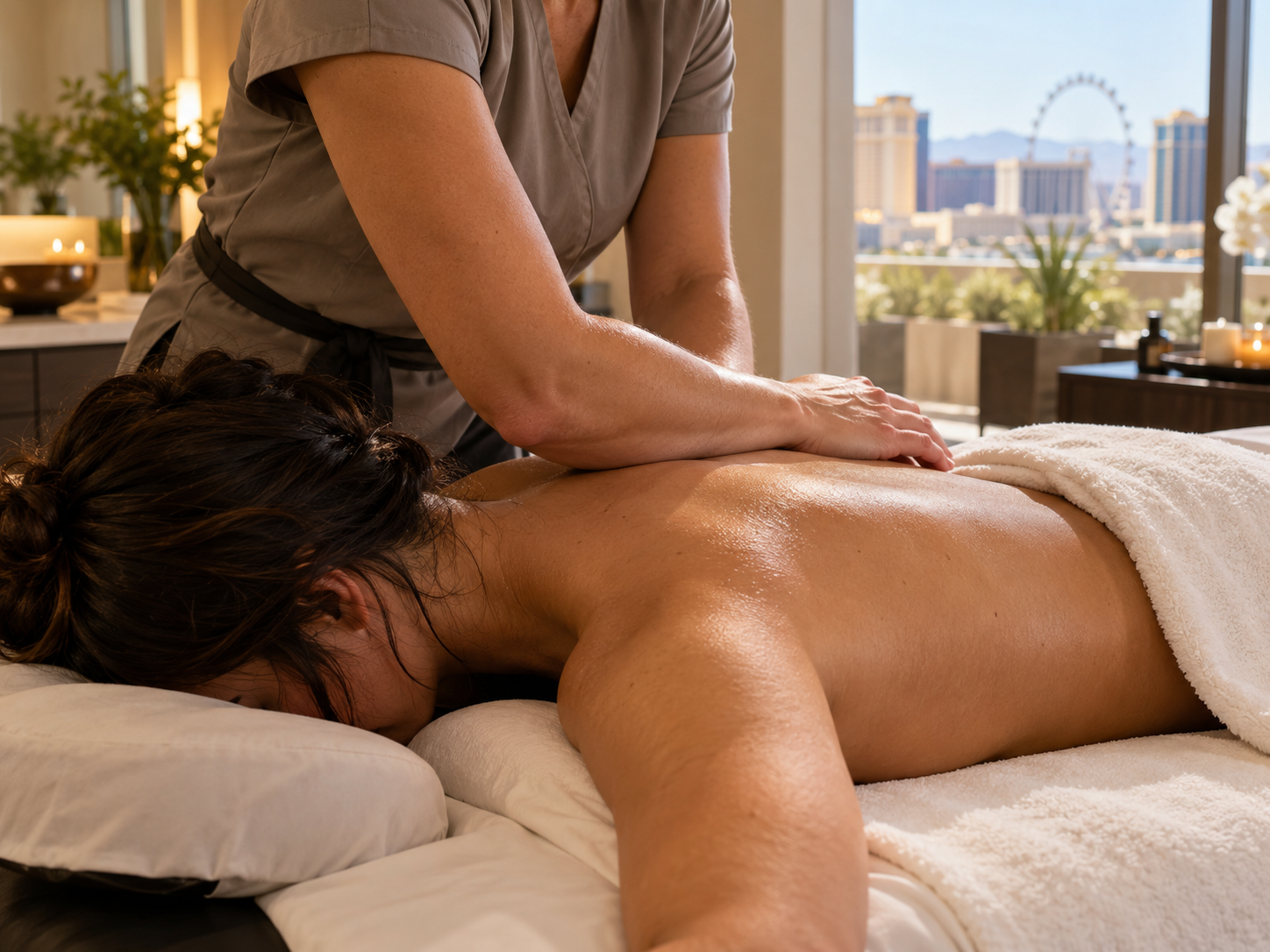
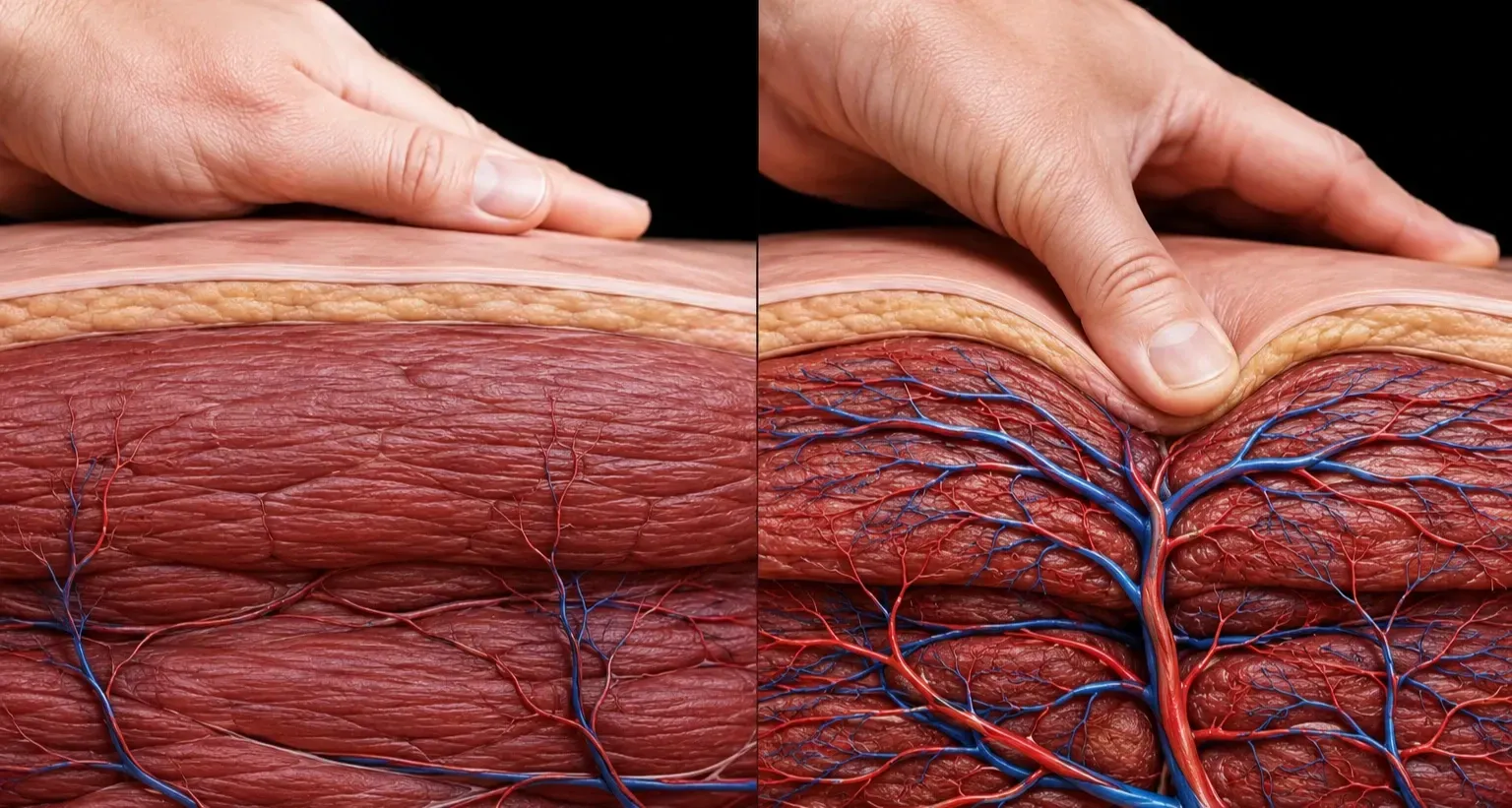
Superficial friction is highly inadequate for treating long-standing muscular dysfunction. Deep tissue massage targets the deepest inner layers of your muscles and the surrounding connective fascial networks. Therapists apply sustained, heavy pressure using slow, deliberate strokes to reach the specific muscle bellies where chronic tension resides permanently.
When muscles remain stressed over months or years, thick bands of rigid scar tissue form. These structural adhesions block local circulation and cause intense, radiating pain. The precise pressure applied during this specific modality physically breaks down these adhesions to restore normal tissue mechanics. It is highly specific clinical work. The therapist identifies the exact physical location of the restriction and applies mechanical force to remodel the tissue.
This type of direct intervention creates controlled micro-trauma in the muscle tissue, producing effects quite similar to lifting heavy weights. This controlled trauma triggers a localized inflammatory response, prompting the central nervous system to send fresh blood and repair cells directly to the damaged area. Once the area heals fully, the muscle fibers are reorganized and function with vastly improved efficiency.
Massage Therapy Modality Comparison
Selecting the correct clinical approach requires matching your specific physical symptoms to the appropriate mechanical technique. The table below outlines the distinct mechanical differences and physiological benefits of the primary specialized modalities available.
| Modality | Primary Technique | Target Symptoms | Physiological Benefit |
|---|---|---|---|
| Thai Massage | Assisted stretching and rhythmic compression | Joint stiffness, poor circulation, severe lethargy | Decompresses joints, enhances deep lymphatic drainage |
| Deep Tissue Massage | Sustained heavy pressure and slow friction | Chronic pain, muscle adhesions, postural dysfunction | Breaks down scar tissue, remodels fascial restrictions |
| Swedish Massage | Gliding superficial strokes and gentle kneading | Acute mental stress, superficial muscle tension | Lowers circulating cortisol, stimulates vagus nerve |
| Trigger Point Therapy | Isolated pressure cycles on specific muscle knots | Referred pain patterns, isolated muscle spasms | Interrupts neuromuscular pain pathways, restores local blood flow |
The Cumulative Effects of Regular Sessions
Receiving a single session provides immediate mechanical relief, but the true physiological benefits of massage therapy are completely cumulative. The human body adapts specifically to the inputs it receives on a consistent basis. Regular soft tissue manipulation physically trains the central nervous system to return to baseline much more efficiently after encountering a highly stressful event.
Consider the distinct environmental factors specific to Southern Nevada. Constant dehydration, extended periods of driving, sitting at casino tables for hours, and high-intensity hospitality work environments drastically compound physical stress. Committing to a strictly consistent recovery schedule prevents minor muscular restrictions from developing into severe chronic pain conditions. The clinical goal is always proactive physical maintenance rather than reactive pain management.
By keeping the fascia hydrated and structurally pliable, you naturally maintain an optimal range of motion. Flexible, well-oxygenated muscles are fundamentally less susceptible to tears and strains. Furthermore, the routine stimulation of the parasympathetic nervous system builds permanent biological resilience against future psychological and physical stressors.
Maximizing Your Recovery Period
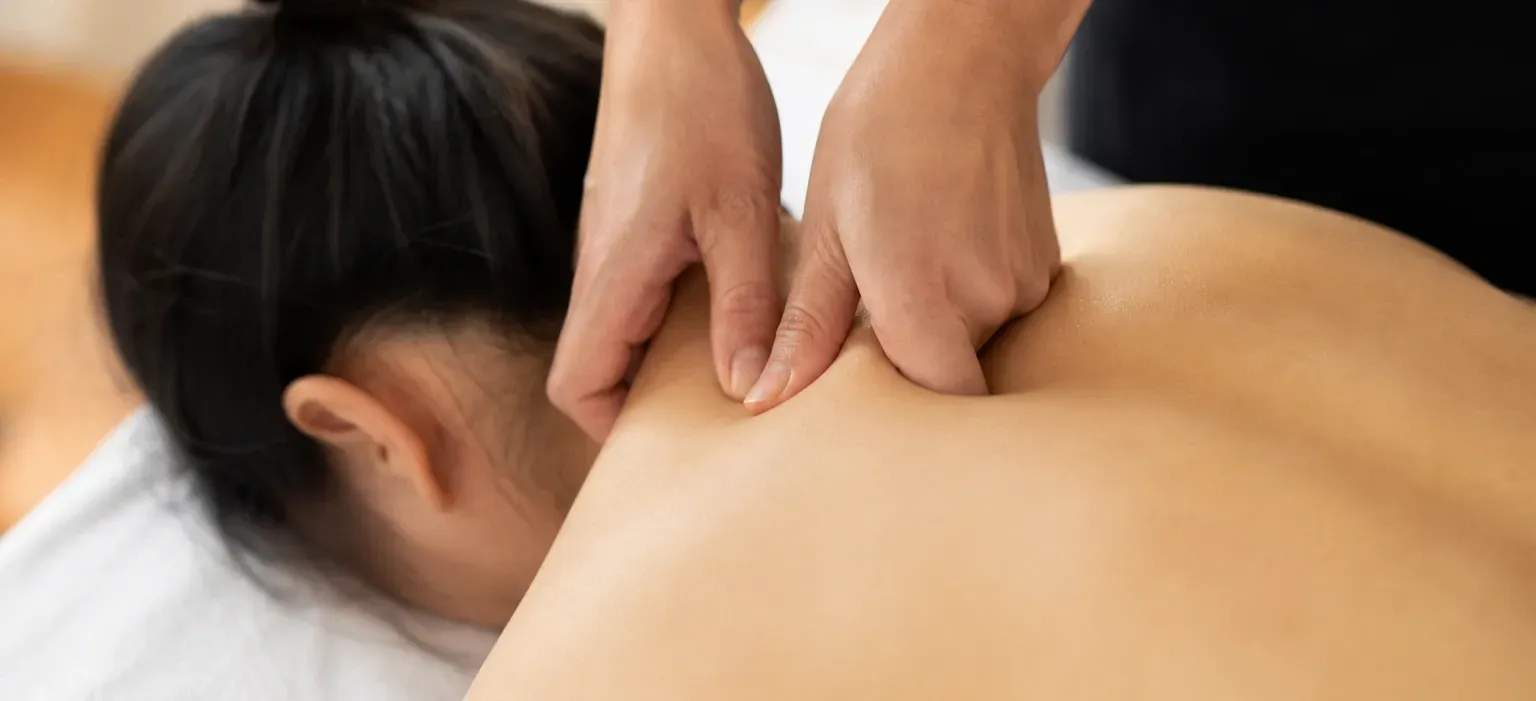
The biological work absolutely does not end when you leave the treatment room. How you handle your physical body in the twenty-four hours immediately following a specialized session dictates the longevity of the results. The heavy manipulation of soft tissue forces trapped metabolic byproducts out of the muscle fibers and directly into your bloodstream.
To maximize your physiological recovery and extend the benefits of your session, strictly adhere to the following protocols:
- Drink high volumes of purified water immediately after the session to support kidney function and flush cellular waste.
- Engage in light, low-impact movement like walking to maintain optimal blood circulation without straining the tissues.
- Avoid heavy weightlifting, intense cardiovascular training, or extreme heat exposure for at least twenty-four hours.
Hydration is the single most critical requirement for clearing these waste products out of your system. Water physically facilitates the filtering function of the kidneys and the lymphatic network. Without adequate hydration levels, the localized muscular soreness following a deep tissue treatment will persist significantly longer than structurally necessary. Give your neurological system the precise time it requires to fully integrate the changes in muscle length and tissue tension.
Selecting a Specialized Provider in Las Vegas
Not all practitioners possess the advanced anatomical knowledge required for specialized structural interventions. When seeking permanent physical changes to your body, the clinical expertise of the therapist entirely dictates the final outcome. You require a provider who deeply understands the complex biomechanics of human movement and the exact pathology of physical stress.
A thorough structural consultation must precede any physical work. The therapist must carefully analyze your daily habits, prior traumatic injuries, and specific pain points to formulate an effective mechanical treatment plan. Whether you require the dynamic joint mobilization of Thai techniques or the intense structural remodeling of deep tissue work, the intervention must be completely customized to your exact physiological needs.
Frequently Asked Questions
How often should I schedule specialized massage sessions for optimal stress relief?
The ideal treatment frequency depends heavily on the severity of your physical tension and your daily lifestyle demands. For acute chronic pain or severe structural imbalances, weekly sessions provide the necessary mechanical momentum to remodel damaged tissue. Once you achieve a baseline of physical comfort and proper mobility, transitioning to a bi-weekly or monthly maintenance schedule is typically sufficient to manage ongoing daily stress.
Is it normal to experience soreness after receiving deep tissue work?
Yes. Experiencing mild to moderate soreness for one to two days following intense soft tissue manipulation is a standard and expected physiological response. The targeted pressure causes microscopic tears in restricted muscle fibers, initiating a highly necessary healing process similar to post-workout muscle recovery. Proper hydration and gentle dynamic stretching will vastly accelerate the clearance of metabolic waste and reduce the total duration of this soreness.
What makes Thai modalities different from conventional Western massage techniques?
Unlike conventional table techniques that rely heavily on oils and continuous gliding strokes over bare skin, this specific modality is performed fully clothed on a supportive floor mat. The practitioner utilizes a complex combination of passive stretching, deep joint mobilization, and rhythmic compressions along specific physiological energy pathways. This approach actively engages your entire skeletal system and provides deep muscular release without ever relying on heavy localized skin friction.