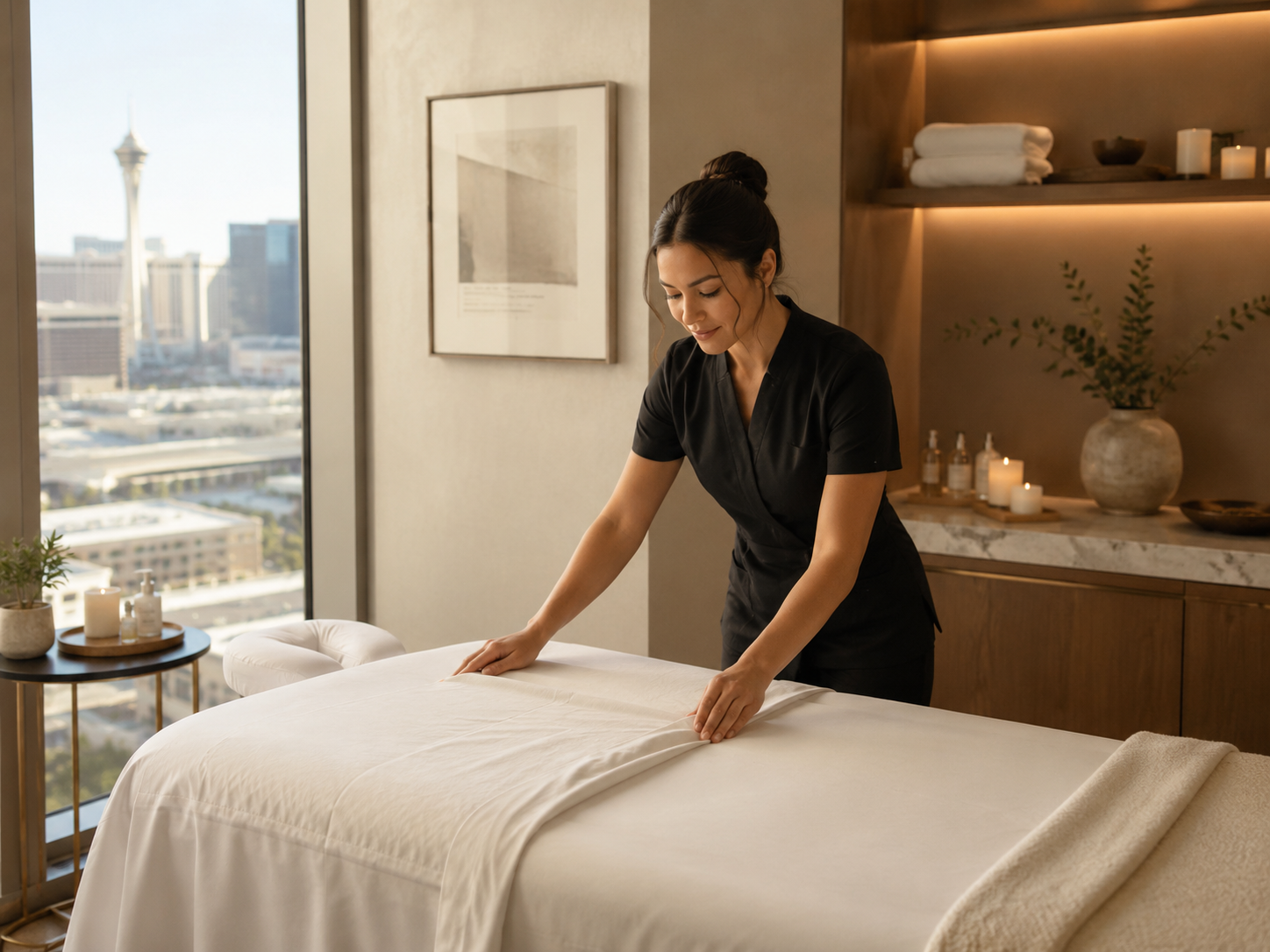
From Stress Relief to Mobility Support: The Benefits of Personalized Massage Therapy
The human body requires consistent, targeted maintenance to function efficiently. Chronic physical stress and restricted mobility are pervasive complaints that severely diminish overall quality of life. Addressing these complex musculoskeletal issues requires more than a generic approach. It necessitates a highly tailored strategy that respects individual anatomical differences and lifestyle factors. Residents and visitors navigating the demanding environment of Las Vegas understand the significant toll that physical exertion and mental fatigue take on the body. This is exactly where targeted, personalized physical interventions prove essential.
The Physiological Impact of Massage Therapy
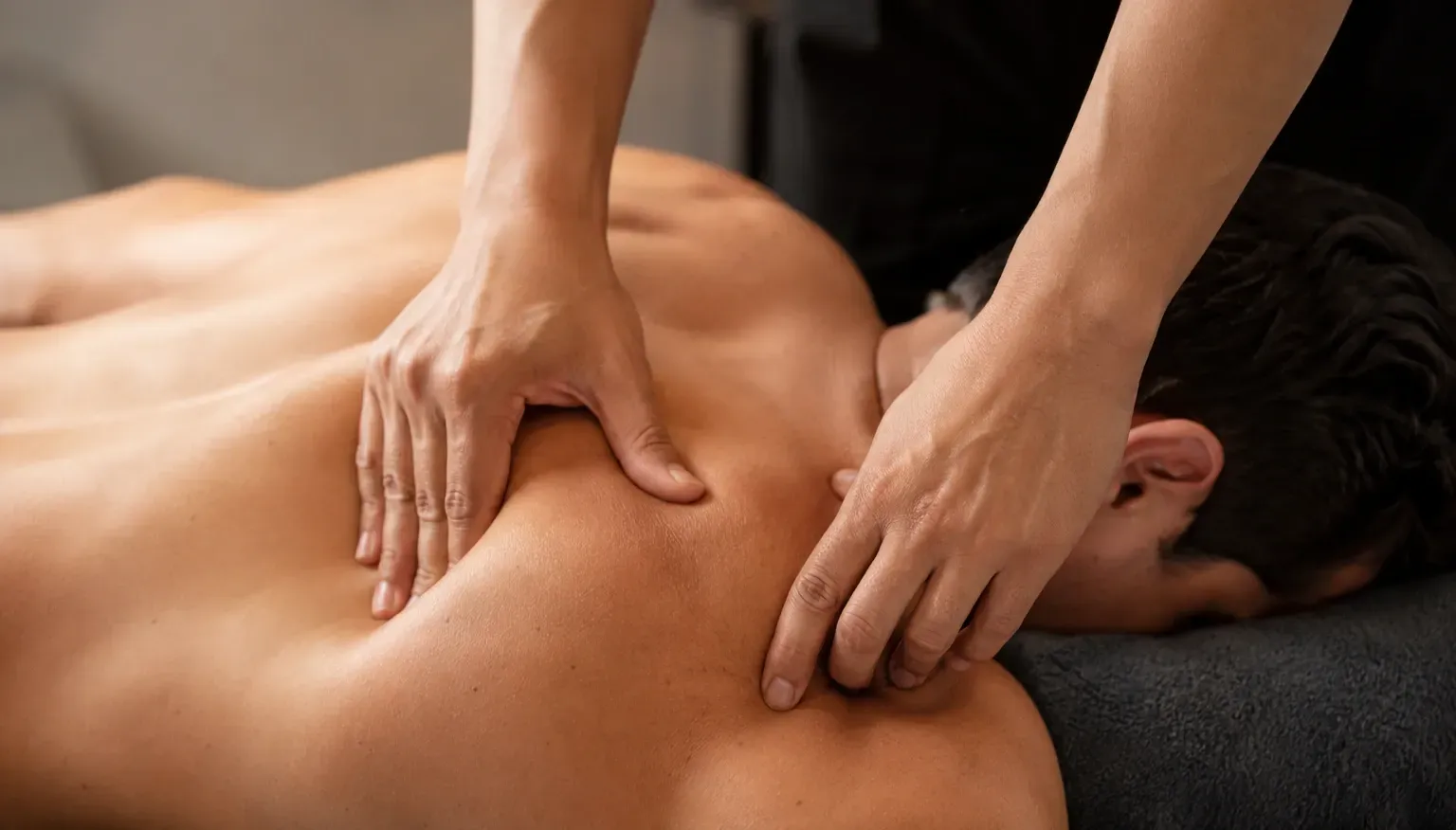
At its core, massage therapy is a scientific manipulation of the body's soft tissues. These tissues include muscles, connective tissues, tendons, ligaments, and joints. When applied correctly, mechanical pressure stimulates a cascade of beneficial physiological responses. Blood circulation improves significantly, delivering essential oxygen and nutrients to muscle cells while efficiently flushing out metabolic waste products like lactic acid.
Simultaneously, the nervous system shifts from a state of sympathetic arousal, characterized by the fight or flight response, into parasympathetic dominance. This biological shift encourages deep rest and recovery. Cortisol levels decrease, reducing systemic inflammation, while the brain releases endorphins and serotonin. These neurotransmitters act as natural painkillers and mood stabilizers. For individuals spanning the ages of 20 to 75, regular soft tissue manipulation serves as a critical pillar of preventative health care and injury management.
Why Personalized Massage Delivers Superior Results
A standard, repetitive routine cannot adequately address the diverse physical requirements of different individuals. A young adult training for a marathon presents an entirely different set of structural imbalances than an older adult managing the stiffness associated with osteoarthritis. A personalized massage plan begins with a thorough assessment of a client's current physical condition, medical history, and specific wellness goals.
By identifying specific trigger points, areas of fascial restriction, and postural imbalances, therapists can adjust their techniques. They can modify the depth of pressure, the speed of their strokes, and the duration spent on specific muscle groups. This clinical precision ensures that the root cause of discomfort is addressed rather than merely temporarily soothing the surface symptoms.
Mapping Modalities to Specific Needs
Understanding the diverse applications of different bodywork styles is vital for selecting the right treatment. The data below outlines how various techniques serve distinct physical and psychological requirements.
| Modality Type | Primary Therapeutic Focus | Ideal Candidate Profile | Pressure and Intensity Level |
|---|---|---|---|
| Thai Massage | Joint mobility, assisted stretching, energy flow | Athletes, individuals with limited flexibility | Moderate to firm, highly dynamic |
| Deep Tissue Massage | Chronic pain relief, scar tissue breakdown | Those with severe muscle tension or old injuries | Firm to intense, slow and sustained |
| Swedish Massage | Nervous system regulation, general relaxation | First-time clients, highly stressed individuals | Light to moderate, smooth and flowing |
| Couples Massage | Shared therapeutic experience, bonding | Partners seeking simultaneous treatment | Fully customizable per individual |

Exploring Specialized Modalities
Finding the correct technique involves understanding the mechanics behind the most effective therapies available.
Enhancing Flexibility Through Thai Massage
Often described as assisted yoga, this ancient practice is unique because the client remains fully clothed while positioned on a comfortable floor mat. The practitioner uses their hands, knees, legs, and feet to move the client into a series of deeply restorative stretches. This process decompresses joints, lengthens chronically tight muscles, and improves overall range of motion.
For individuals experiencing stiffness from prolonged sitting or repetitive physical labor, this dynamic approach restores functional movement patterns. Those seeking expert care can find tailored solutions at My Thai Massage, where practitioners specialize in aligning these stretching techniques with specific mobility goals.
Addressing Chronic Pain with Deep Tissue Massage
When muscle tension becomes deeply entrenched, surface-level manipulation is insufficient. Deep tissue massage targets the inner layers of your muscles and the dense connective tissues known as fascia. Using slow, deliberate strokes and concentrated friction, the therapist works to break down adhesions. These adhesions are bands of rigid tissue that can disrupt circulation, cause pain, and severely limit movement. While this modality can occasionally cause mild discomfort during the session, the resulting alleviation of chronic pain makes it a highly effective treatment for musculoskeletal rehabilitation.
Regulating the Nervous System via Swedish Massage
Not all bodywork needs to be intensely physical to be highly effective. Swedish massage utilizes long, gliding strokes, gentle kneading, and rhythmic tapping to warm up muscle tissue and release superficial tension. The primary objective is full-body relaxation. By stimulating the skin and underlying tissues, this technique signals the brain to calm the central nervous system. It is an exceptionally effective intervention for individuals suffering from insomnia, anxiety, or high-stress occupations that leave them mentally exhausted.
The Shared Benefits of a Couples Massage
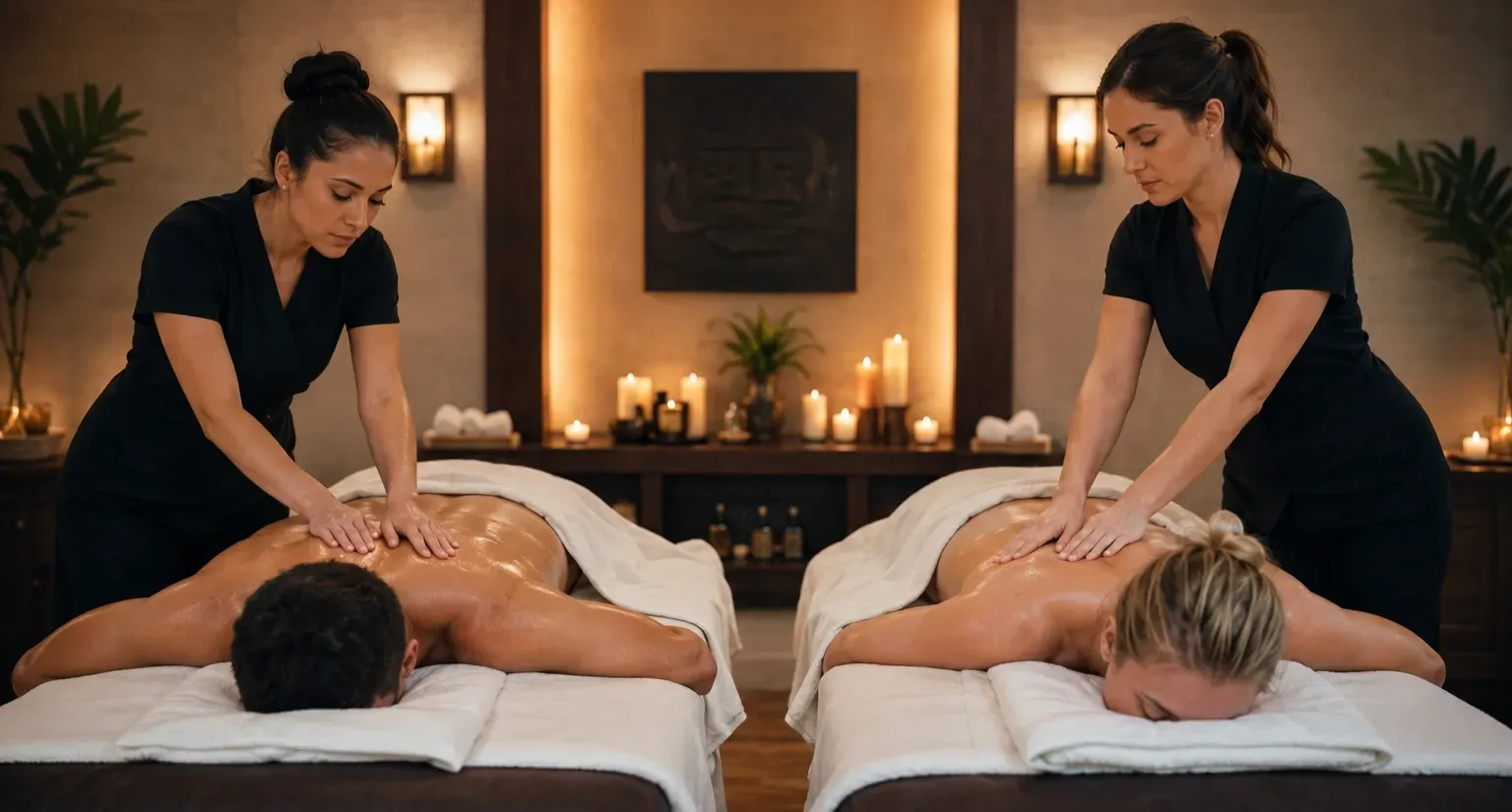
Wellness can also be a collaborative experience. A couples massage takes place in a larger treatment room where two individuals receive customized treatments simultaneously from two different therapists. This setup is highly adaptable. One person might require intense trigger point therapy for lower back pain, while the other might prefer a gentle, relaxing session to alleviate mental stress. It allows both parties to prioritize their distinct physical needs without sacrificing shared time, making it an excellent option for relationship building and mutual stress reduction.
Addressing the Unique Physical Demands of Las Vegas
Location plays a crucial role in shaping a person's physical health profile. The lifestyle and environment of Las Vegas create very specific patterns of bodily wear and tear.
Consider the local hospitality workers, convention attendees, and trade show exhibitors who spend ten to twelve hours a day standing on hard concrete floors. This extensive weight-bearing activity leads to severe plantar fasciitis, calf compression, and lower back compression. Additionally, tourists often underestimate the sheer physical distance involved in walking between casino properties. Combined with the dry desert climate that accelerates dehydration, this physical exertion rapidly leads to acute muscle cramping and joint inflammation.
A strategic, customized treatment plan directly combats these environmental stressors. Therapists can focus heavily on lower extremity lymphatic drainage to reduce swelling in the feet and ankles. They can employ targeted friction to release the lumbar spine, restoring proper posture after days of standing. By customizing the intervention to match the environmental demands of the city, residents and visitors can maintain their health and vitality.
Physical well-being is heavily dependent on proactive maintenance. Ignoring chronic tension or restricted movement eventually forces the body to compensate, leading to secondary injuries and prolonged discomfort. Investing in customized bodywork ensures that the muscular system remains balanced, resilient, and capable of handling the demands of daily life.
Frequently Asked Questions
How do I know if I need a personalized massage plan?
If you experience recurring pain in specific areas, notice a decrease in your flexibility, or feel that standard relaxation treatments do not resolve your physical discomfort, a customized plan is highly recommended. A therapist can evaluate your specific symptoms and design a targeted session to address your unique muscular imbalances.
What is the recommended frequency for massage therapy sessions?
The ideal frequency depends entirely on your specific goals and lifestyle. Individuals managing chronic pain or recovering from athletic injuries often benefit from weekly or bi-weekly sessions. For general stress reduction and preventative maintenance, scheduling a customized session once every three to four weeks is generally effective for maintaining optimal muscle health.
Can different modalities be combined during a single session?
Absolutely. A skilled practitioner will frequently integrate multiple techniques into one treatment to achieve the best results. For example, a therapist might use gentle Swedish techniques to warm up the tissue before applying deep tissue pressure to a specific knot, and then finish the session with assisted Thai stretching to restore joint mobility.