Discover How Thai Massage Boosts Blood Flow and Circulation Naturally
Healthy circulation is the cornerstone of physical well-being. When blood flows efficiently through the body, it delivers essential oxygen and nutrients to tissues, organs, and muscles while simultaneously carrying away metabolic waste. Conversely, sluggish circulation often manifests as chronic fatigue, cold extremities, muscle stiffness, and prolonged recovery times after physical exertion. Many individuals seek holistic methods to restore optimal blood flow without relying entirely on pharmaceutical interventions.
One of the most effective methods for stimulating vascular health is engaging in specialized bodywork. For centuries, practitioners have utilized targeted physical therapies to manipulate soft tissues and encourage robust cardiovascular function. You can experience these benefits directly at My Thai Massage, where ancient techniques meet modern anatomical understanding to improve your overall wellness.
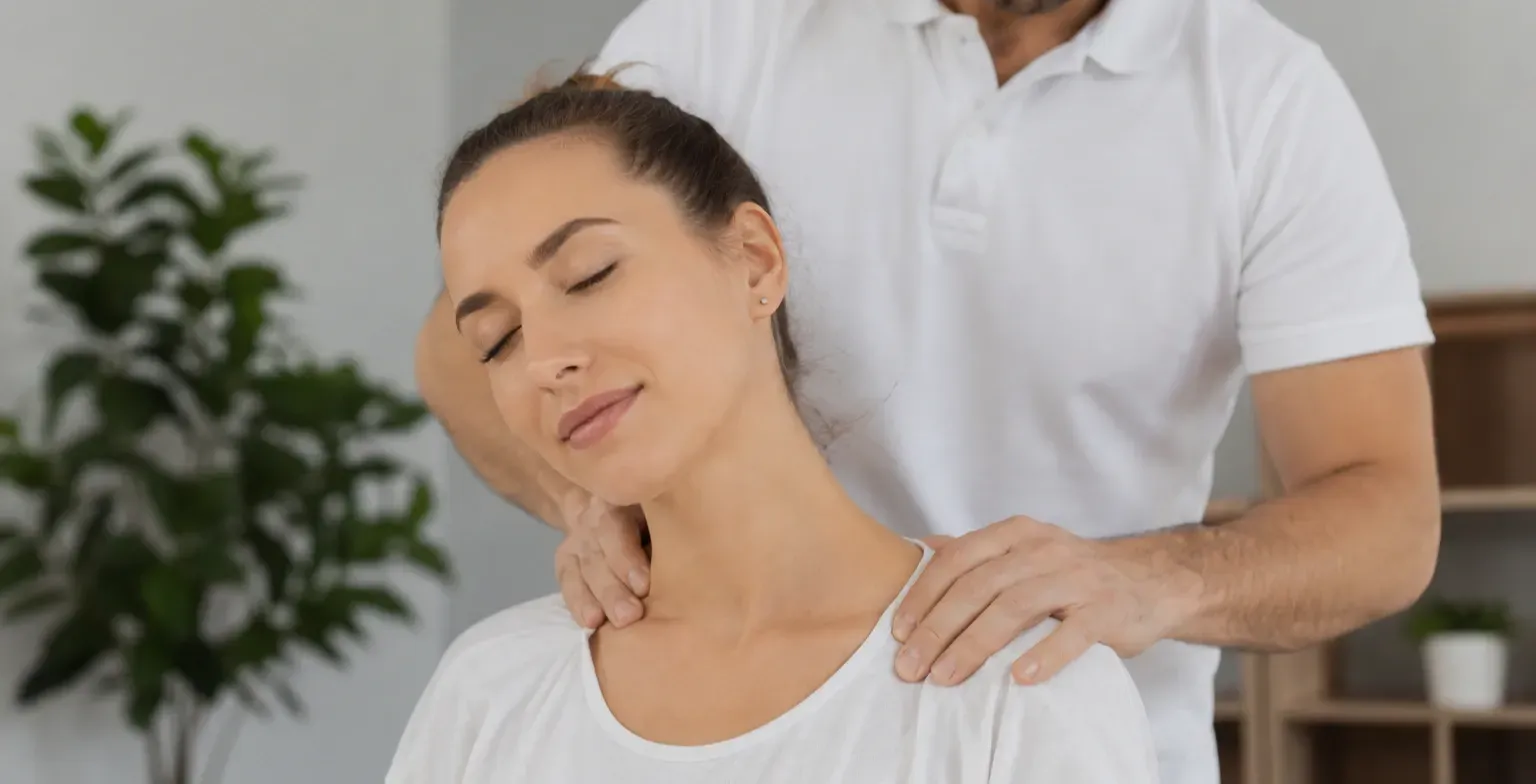
Recognizing the Signs of Compromised Circulation
Before exploring how bodywork resolves vascular issues, it is important to understand what poor circulation looks like. Age, sedentary lifestyles, and physically demanding jobs all contribute to restricted blood flow. For individuals ranging from young professionals in their twenties to active seniors in their seventies, vascular health fluctuates based on daily habits.
Common symptoms of compromised blood flow include frequent muscle cramping, an ongoing feeling of heaviness in the legs, and a general lack of physical energy. When muscles do not receive adequate oxygenation, they become tight and fibrotic. This stiffness restricts the capillaries further, creating a negative feedback loop that only physical intervention can reliably break. Addressing these issues early prevents minor stiffness from developing into chronic pain or mobility restrictions.
The Mechanics of Traditional Massage on Cardiovascular Health
Traditional massage operates on the principle that physical manipulation of the body directly influences internal physiological systems. Thai massage, specifically, differs from standard western modalities by utilizing rhythmic compression along the body's primary energy lines, known as Sen lines. From a western anatomical perspective, these Sen lines correspond closely with major fascial meridians, nerve bundles, and vascular pathways.
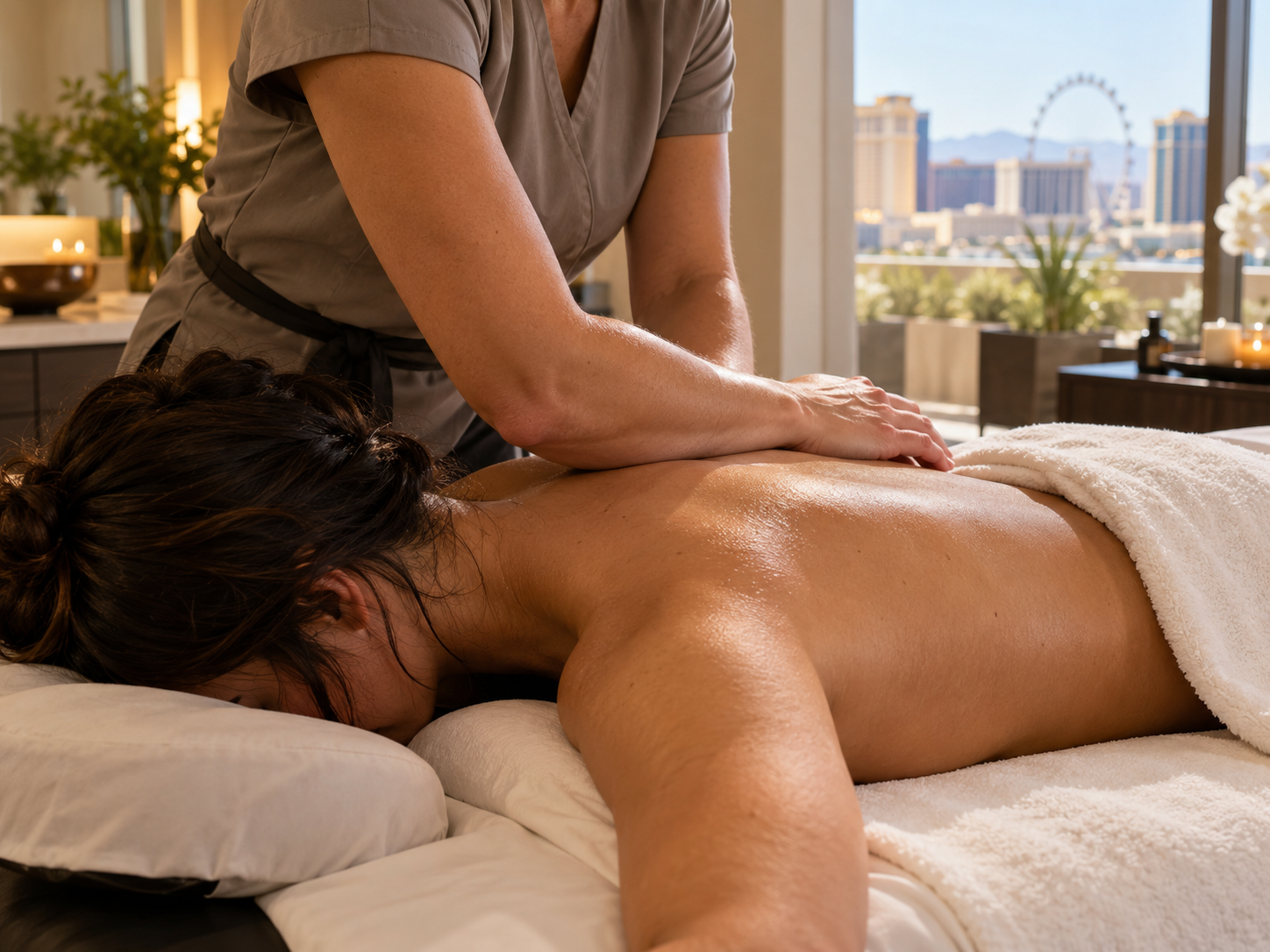
When a practitioner applies sustained, rhythmic pressure using their palms, thumbs, and sometimes feet, they are manually pushing blood through the circulatory system. This technique acts as a mechanical pump for the vascular network. The application of pressure briefly constricts the local blood vessels. Upon release, a surge of fresh, oxygen-rich blood rushes into the previously compressed area. This flushing mechanism clears out stagnant cellular byproducts like lactic acid and introduces the nutrients required for cellular repair.
The Role of Lymphatic Synergy
Circulation is not limited strictly to blood. The lymphatic system, which governs immune response and fluid balance, relies heavily on movement to function. Unlike the circulatory system, which has the heart to pump blood, the lymphatic network depends entirely on muscle contractions and physical manipulation to move lymph fluid.
The compressive techniques utilized in this therapy stimulate lymphatic nodes and pathways. This combined stimulation of both blood and lymph ensures that swelling decreases, toxins are filtered out efficiently, and overall fluid dynamics within the body are optimized.
Comparing Thai Massage with Deep Tissue Massage
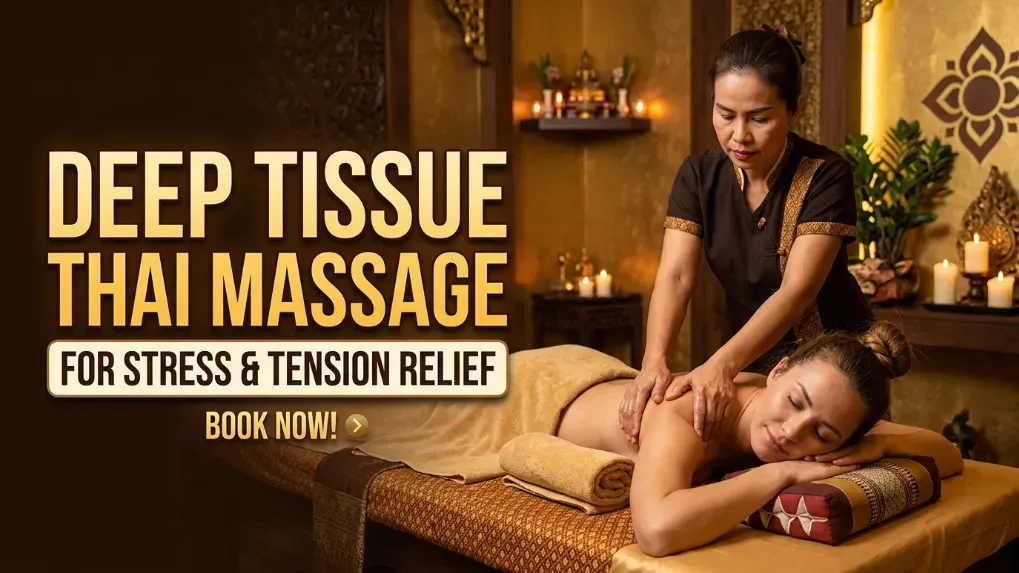
Understanding the nuances between different modalities is essential for selecting the right therapy for your specific circulatory needs. While both Thai massage and Deep Tissue Massage offer significant vascular benefits, their applications and physiological impacts differ considerably. Deep tissue work tends to focus on isolating specific muscle bellies to break down adhesions, whereas Thai modalities take a more systemic, full-body approach.
Below is a detailed comparison of common massage modalities and their specific impacts on bodily circulation.
| Therapy Type | Primary Technique | Circulation Impact | Best Candidate |
|---|---|---|---|
| Thai Massage | Assisted stretching and rhythmic compression | Systemic flushing, full-body oxygenation, and joint mobility | Individuals seeking overall flexibility and systemic blood flow improvement |
| Deep Tissue Massage | Sustained firm pressure on targeted muscle layers | Localized hyperemia, breaking up deep fascial restrictions | Athletes or those with localized chronic tension and muscle knots |
| Swedish Massage | Long, gliding strokes towards the heart | Gentle surface circulation, relaxation of the nervous system | Individuals needing stress relief and mild circulatory stimulation |
| Sports Massage | Fast-paced friction and targeted stretching | Rapid blood delivery to specific athletic muscle groups | Active individuals requiring pre-event or post-event muscle recovery |
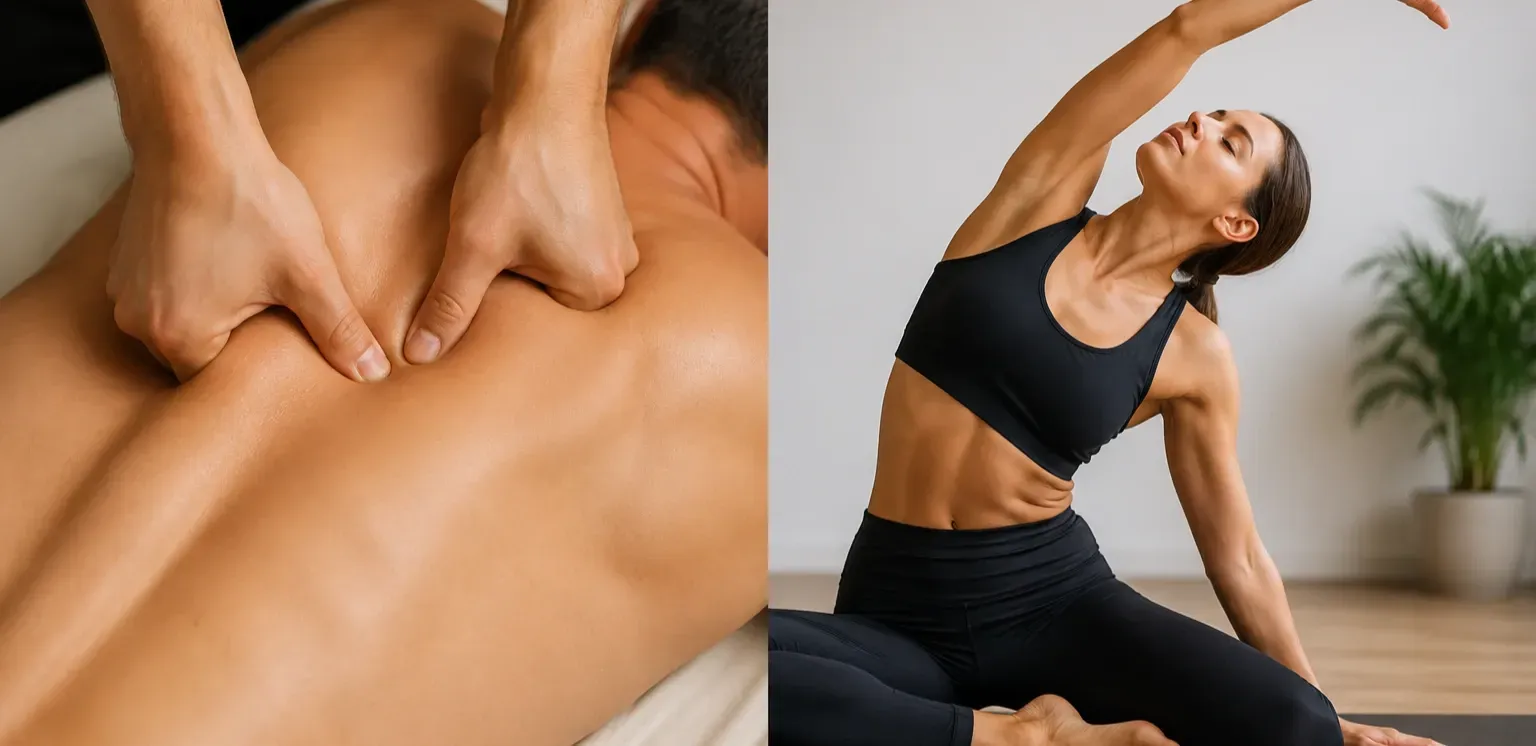
The Impact of Assisted Stretching on Vascular Elasticity
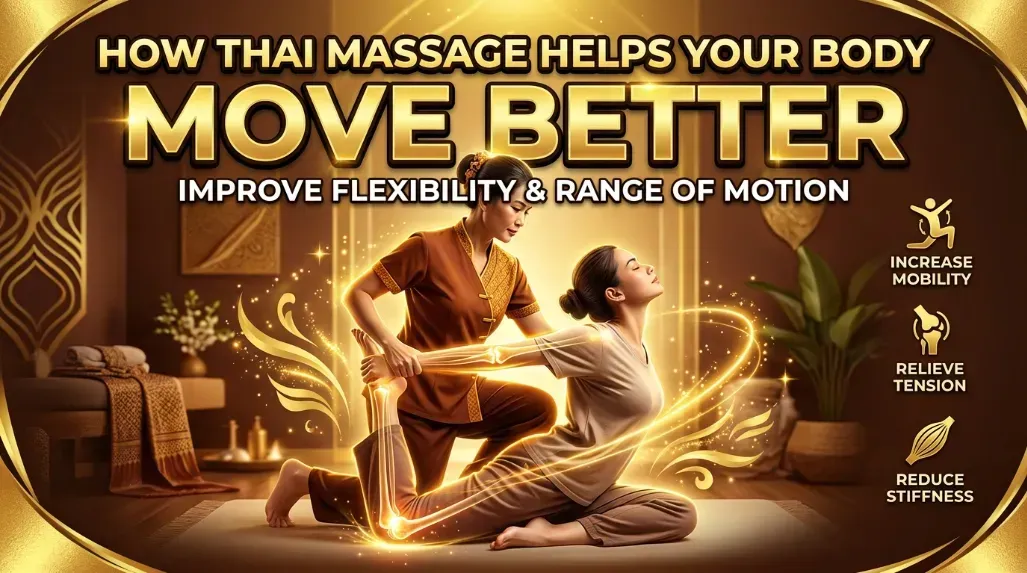
What truly separates this ancient practice from standard table bodywork is the incorporation of assisted yoga postures. During a session, the therapist physically moves the client through a series of dynamic stretches. This is critical for long-term circulatory health because it improves vascular elasticity.
As muscles and fascia are elongated, the blood vessels housed within those tissues are also stretched. This physical elongation encourages the vessels to maintain their pliability. Stiff, rigid blood vessels are a primary cause of poor circulation as we age. By regularly stretching the vascular walls through assisted movement, the body becomes more efficient at regulating blood pressure and maintaining smooth blood flow.
Furthermore, joint mobilization during these stretches stimulates the production of synovial fluid. While this fluid lubricates the joints, the movement required to produce it also requires heavy localized blood flow, bringing vital nutrients to areas like the hips, knees, and shoulders that often suffer from age-related degradation.
Addressing Las Vegas Lifestyles at My Thai Massage
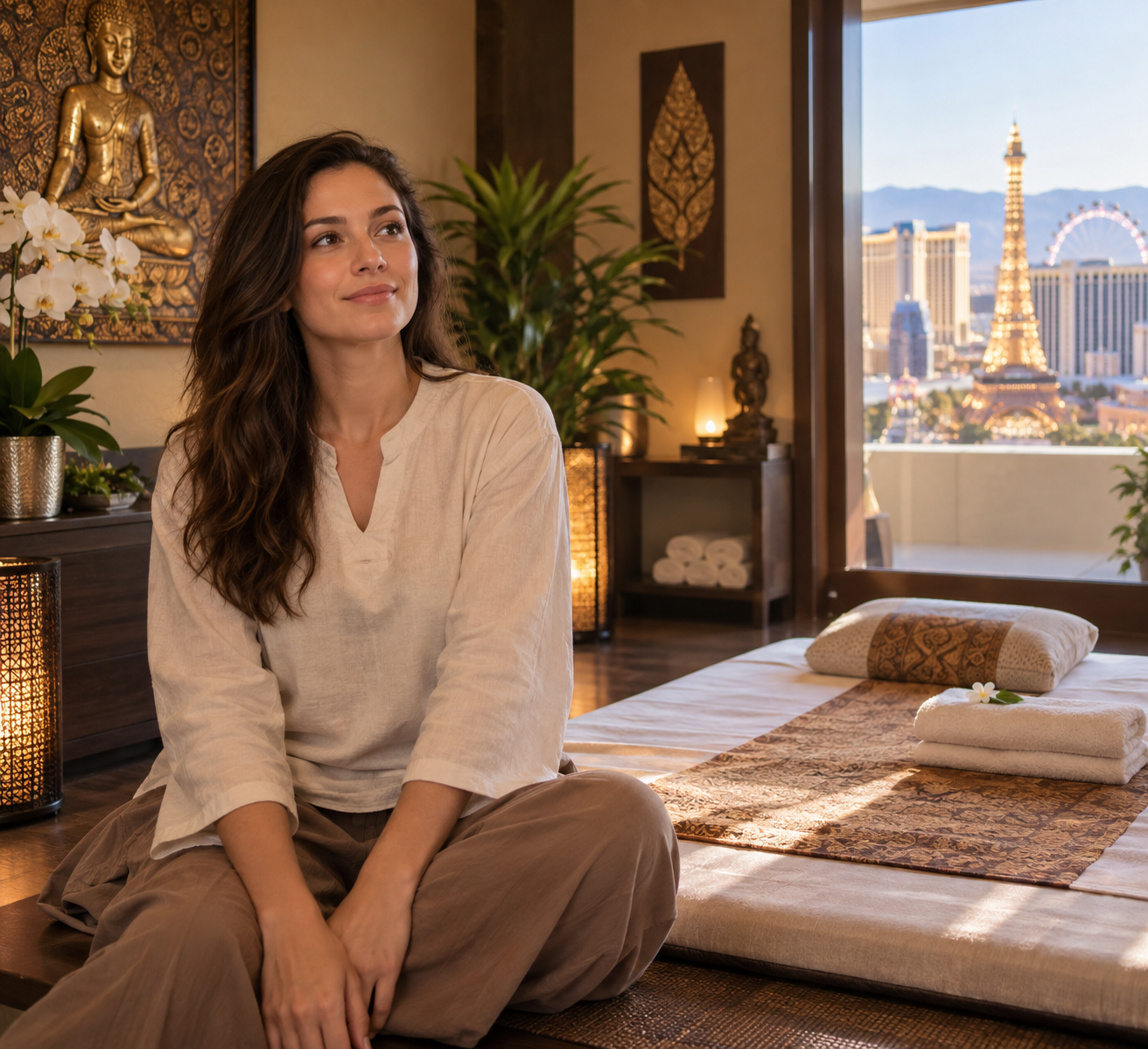
Living and working in Las Vegas presents unique physical challenges. Hospitality workers spend long hours on their feet on hard casino floors. Tourists often walk miles a day exploring the city. Retirees taking advantage of the warm desert climate want to remain active and mobile. All of these lifestyles require robust blood flow to prevent injury and manage daily fatigue.
Whether you are a young professional recovering from a strenuous gym session or a senior looking to maintain joint health and prevent circulatory stagnation, professional bodywork is a highly effective maintenance tool. Our team at My Thai Massage caters specifically to the diverse needs of the Las Vegas community. We understand how the dry desert environment and active local lifestyles impact the body.
Located conveniently for residents and visitors alike, our clinic provides a restorative environment designed to optimize your physical health. If you are experiencing heavy legs, tight shoulders, or simply want to proactively improve your cardiovascular function, our experienced therapists are ready to assist. You can find us at 2301 E Sunset Rd. Las Vegas, NV 89119 Suite 19. To schedule a session and begin improving your physical vitality, contact us at 725-205-1534. We work with clients from 20 to 75 years old, tailoring our pressure and stretching techniques to match your specific comfort level and mobility limitations.
Frequently Asked Questions
How quickly can I expect improvements in blood circulation?
Many clients report feeling lighter and more energized immediately following their first session due to the immediate flushing of oxygenated blood through the tissues. However, for long-lasting improvements in vascular elasticity and chronic stiffness reduction, a series of consistent sessions is recommended.
Is this therapy suitable for older adults with joint stiffness?
Yes. The techniques are entirely scalable based on the client's age, flexibility, and physical limitations. Therapists adjust the intensity of the rhythmic compression and the depth of the assisted stretches to ensure it is safe and highly beneficial for older adults seeking to improve mobility and circulation safely.
How often should I schedule a session to maintain good blood flow?
For individuals actively trying to resolve chronic tightness and poor circulation, scheduling a visit every one to two weeks is highly effective. Once your baseline mobility and blood flow have improved, a monthly maintenance session is generally sufficient to keep tissues oxygenated and muscles supple.