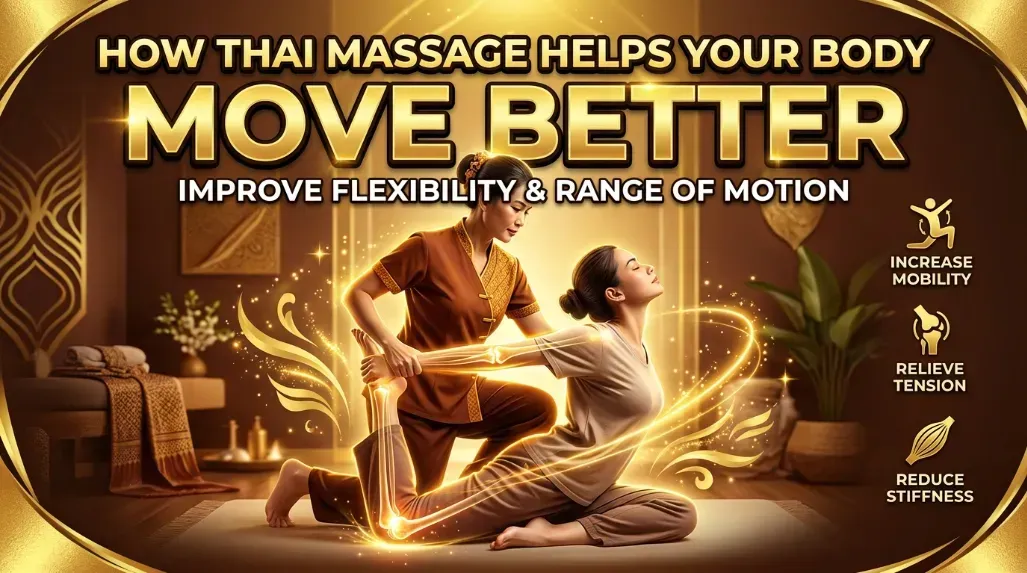
The Ancient Healing Art of Thai Massage Explained
Traditional Thai massage is an ancient, highly effective therapeutic practice that combines targeted acupressure with dynamic assisted stretching to improve flexibility and release severe muscle tension. Unlike conventional Western methods, this unique modality is performed fully clothed on a floor mat, allowing practitioners to leverage their body weight for profound physical restoration. For residents and visitors in Las Vegas, My Thai Massage offers authentic, tailored sessions designed to optimize joint mobility, regulate the nervous system, and support long-term holistic wellness.
Key Takeaways:
- Traditional sessions utilize a combination of yoga-like assisted stretching and localized acupressure rather than standard gliding strokes with oils.
- The practice drastically improves joint mobility, flushes metabolic waste, and forces the nervous system into a deep state of parasympathetic rest.
- My Thai Massage provides specialized, personalized treatments in Las Vegas for a wide range of individuals spanning from athletes to retirees.
The Ancient Healing Art of Thai Massage Explained
Wellness practices have evolved significantly over thousands of years. Among these historical disciplines, the traditional techniques developed in Southeast Asia stand out for their profound impact on human anatomy and mental health. While many modern spa treatments focus purely on surface-level relaxation, the ancient practice of Thai massage offers a comprehensive system for holistic physical restoration.
Understanding the roots and mechanics of this specific modality helps individuals make informed decisions about their physical therapy and wellness routines. This comprehensive overview explores the rich history of the practice, examines its unique methodology, and highlights how it serves as a highly effective form of preventive care.
The Historical Origins of a Global Practice
The roots of traditional Thai massage stretch back over 2,500 years to the time of Gautama Buddha. Historical records point to a foundational figure named Jivaka Kumar Bhaccha. Recognized as a highly skilled physician to the Buddha, Jivaka integrated principles of Indian Ayurvedic medicine, yogic stretching, and localized acupressure to create a completely new system of physical healing.
When Buddhist monks migrated across Asia, they carried these medical texts and healing techniques with them. The practice eventually took root in Thailand, where it was heavily influenced by traditional Chinese medicine. This unique cross-pollination of Asian medical philosophies resulted in a highly sophisticated form of bodywork.
Unlike Western medical models that historically separated the body into isolated mechanical parts, this ancient system views the human body as an integrated network of energy. The core philosophy revolves around the concept of "Sen" lines. According to traditional texts, the body contains 72,000 invisible energy pathways. When these pathways become blocked by physical trauma, emotional stress, or poor posture, the body experiences pain and disease. The practitioner’s primary goal is to clear these blockages and restore optimal energy flow through targeted pressure and joint manipulation.
How Traditional Thai Massage Differs from Deep Tissue Massage
Many people are familiar with standard Western massage techniques. When seeking relief from severe muscle tension, clients often debate between different therapeutic options. Understanding the mechanical differences between traditional Thai methods and Deep Tissue Massage is essential for selecting the right treatment.
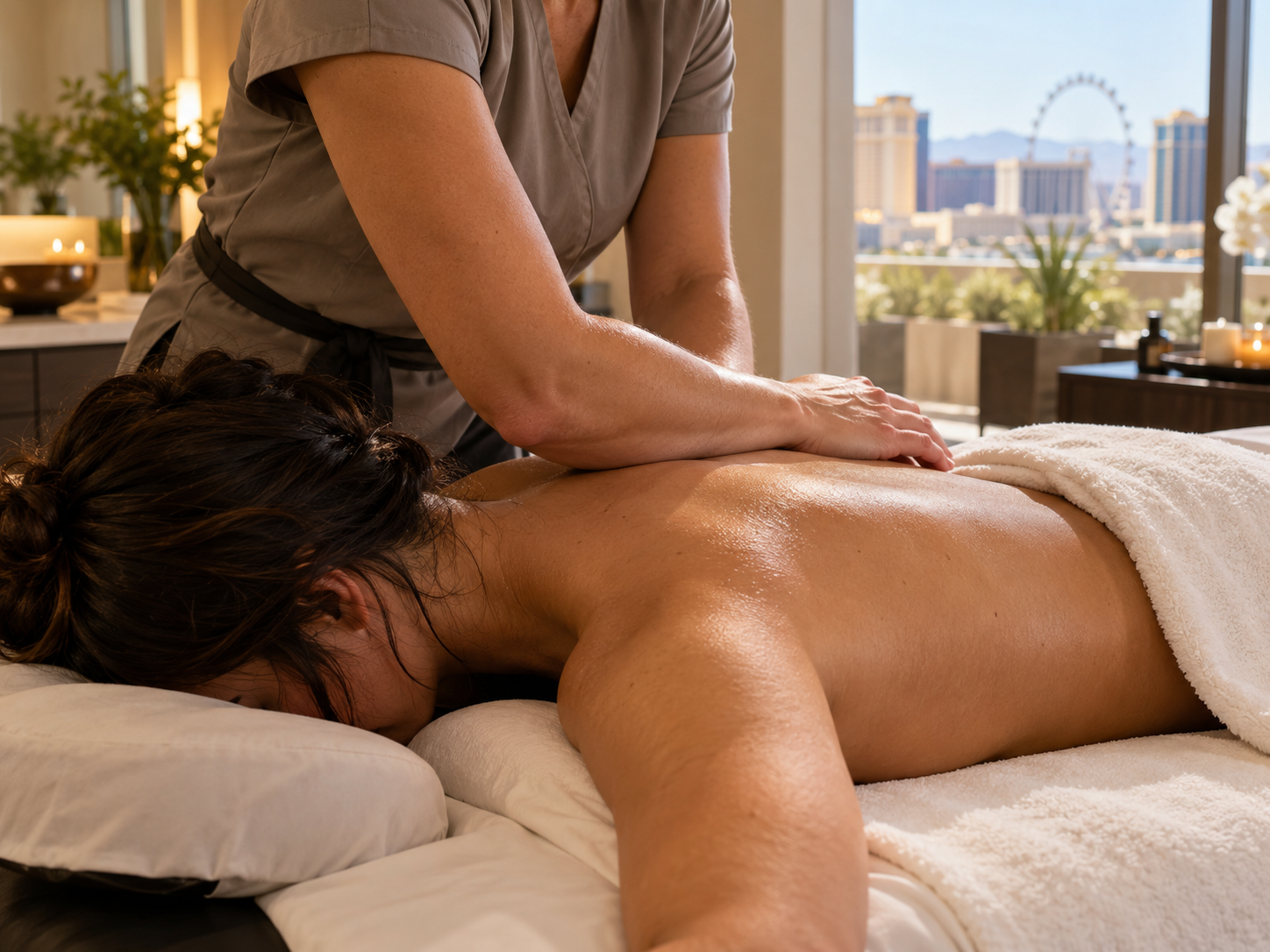
Western massage styles typically involve the client lying on an elevated table while the therapist uses oils or lotions to perform continuous gliding strokes. The focus is placed on kneading the muscle belly to stimulate blood flow and release localized knots.
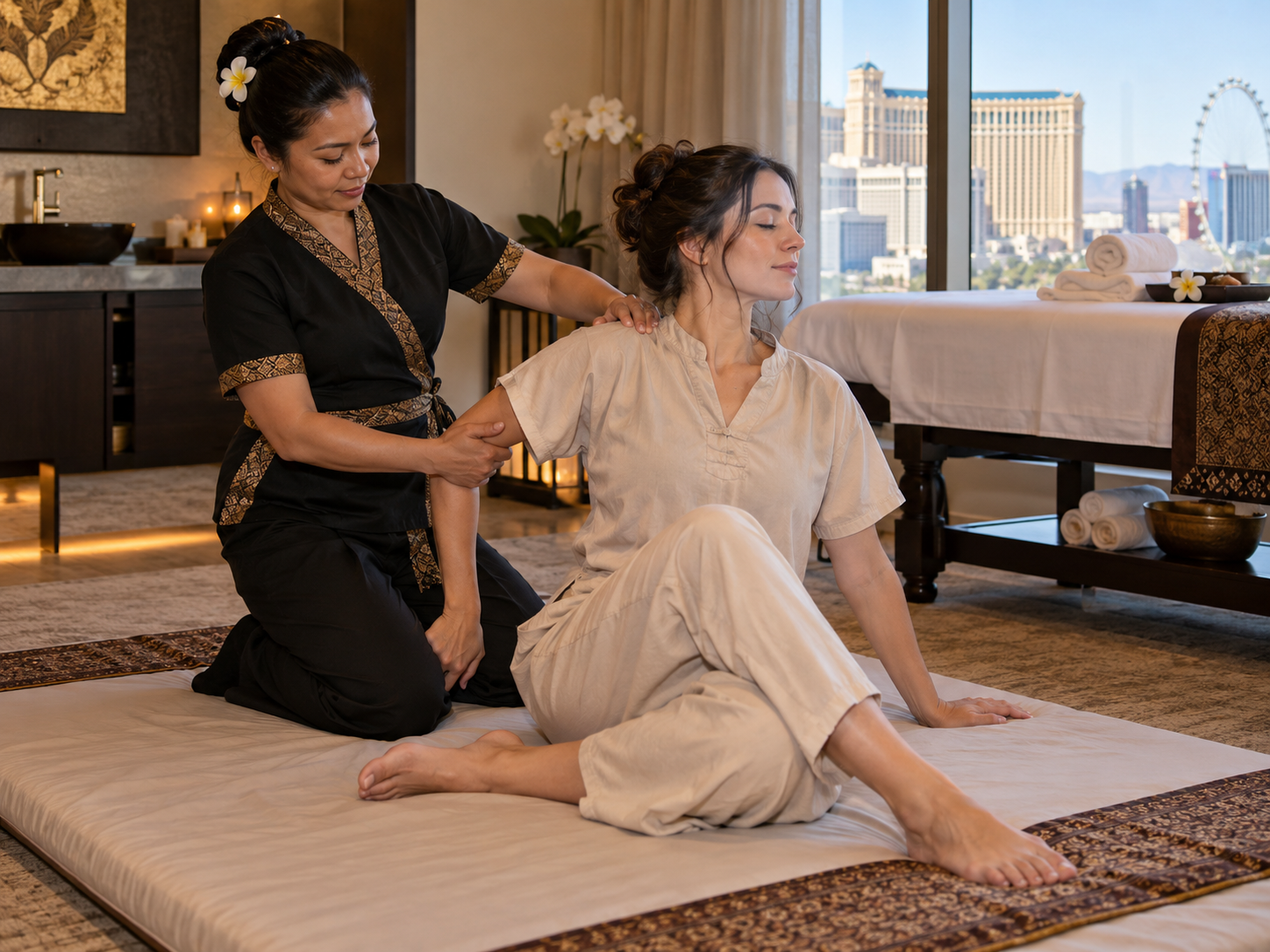
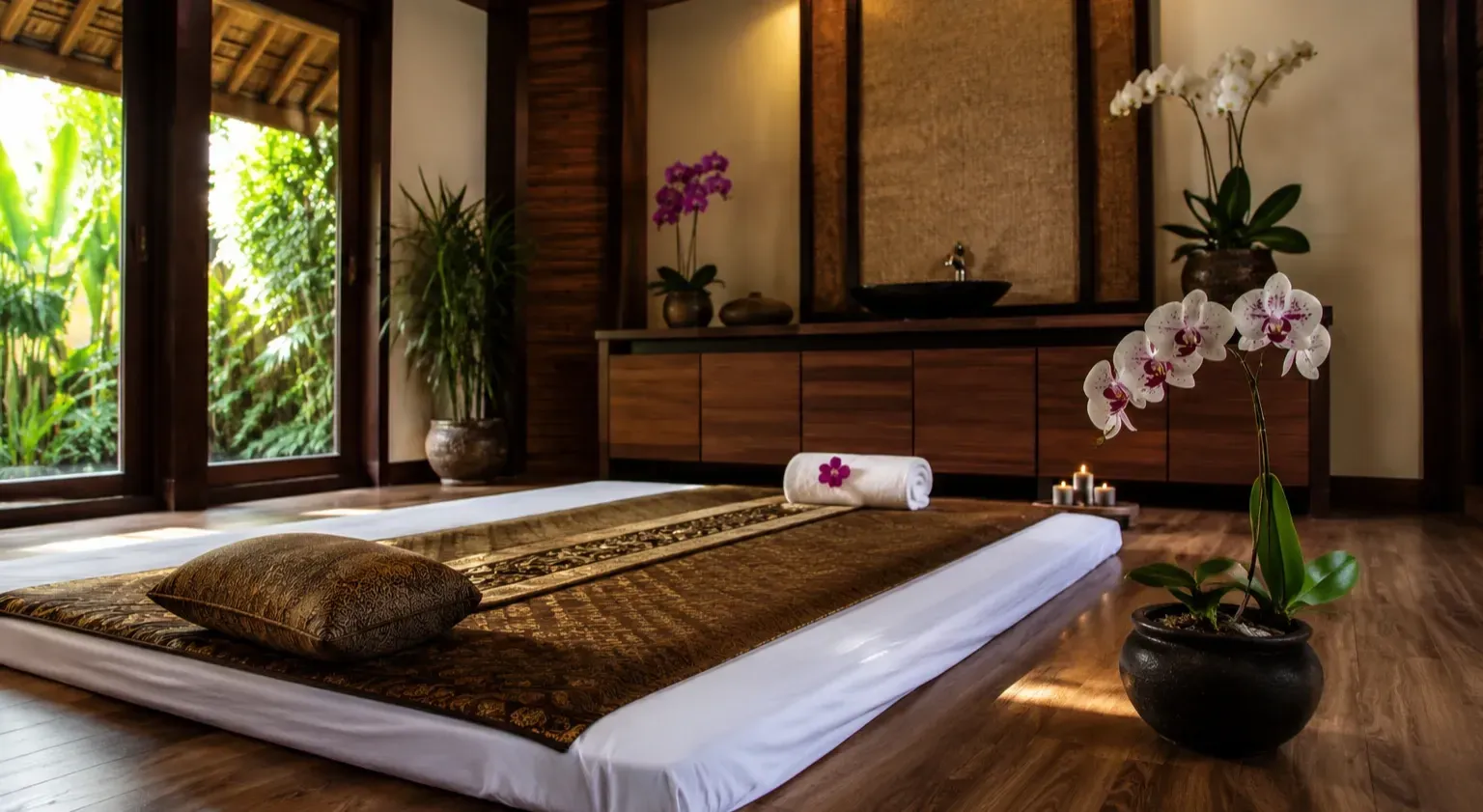
In contrast, traditional Thai bodywork operates quite differently. The client remains fully clothed in loose, comfortable attire and rests on a supportive mat placed directly on the floor. The absence of a table allows the practitioner to use their own body weight for leverage. Instead of using massage oils, the therapist utilizes their hands, thumbs, elbows, forearms, and even their feet to apply rhythmic compression along specific points of the body.
Furthermore, the session integrates dynamic assisted stretching. The therapist moves the client into various yoga-like postures. This dynamic movement improves joint mobility and engages entire muscle groups rather than just isolated areas.
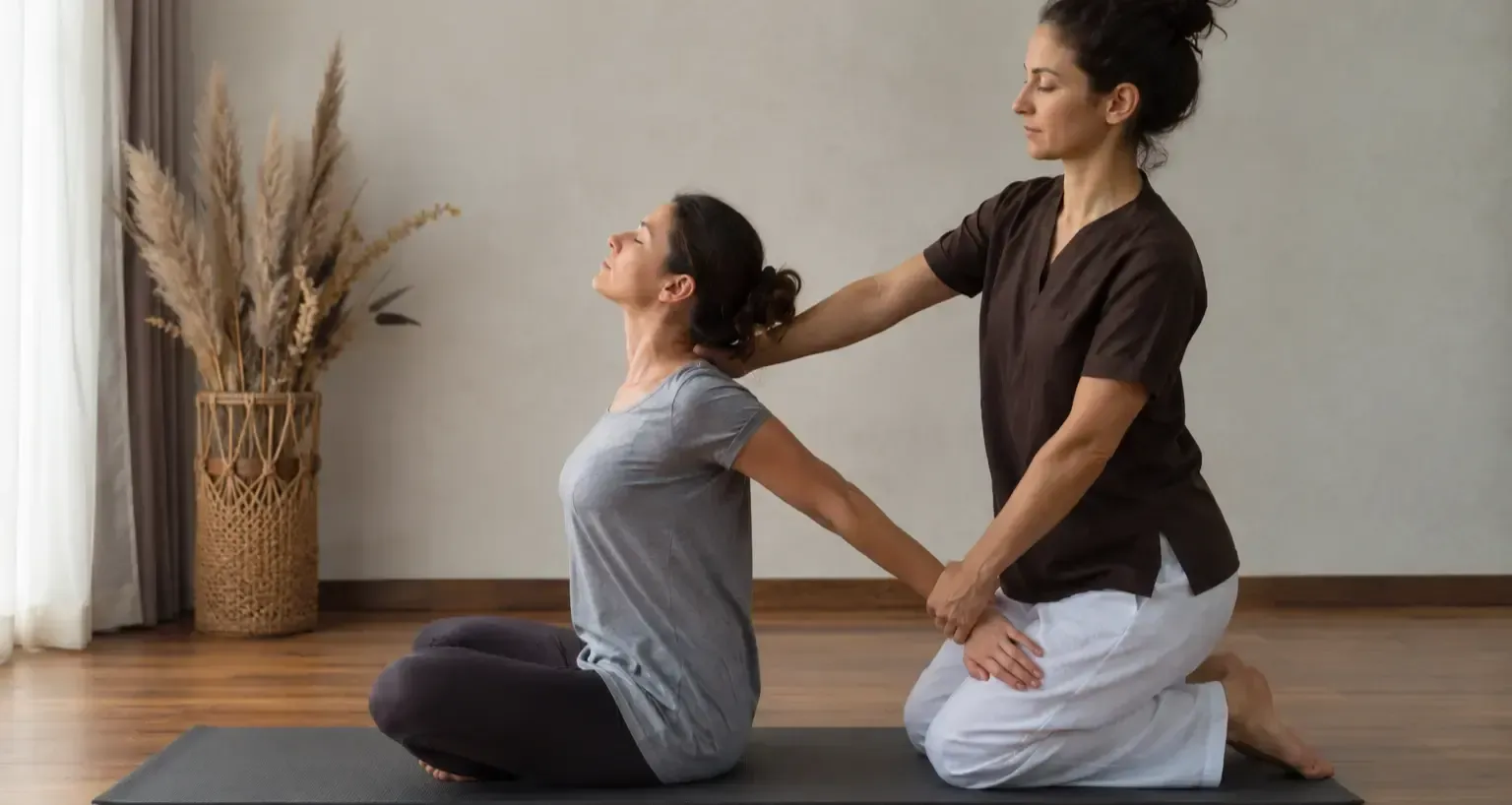
To better illustrate the distinctions between these popular modalities, review the specific technical differences below.
| Treatment Feature | Traditional Thai Massage | Deep Tissue Massage | Traditional Swedish Massage |
|---|---|---|---|
| Primary Technique | Acupressure, joint mobilization, and assisted stretching | Firm, sustained pressure on deep muscle layers and fascia | Long, flowing gliding strokes and gentle kneading |
| Client Positioning | Lying on a floor mat for maximum practitioner leverage | Lying on an elevated massage table | Lying on an elevated massage table |
| Use of Lubricants | None utilized during the session | Creams, lotions, or oils are heavily used | Creams, lotions, or oils are heavily used |
| Client Attire | Fully clothed in provided loose garments | Undressed to the client's specific comfort level | Undressed to the client's specific comfort level |
| Primary Objective | Restore systemic energy flow and improve full-body flexibility | Break up scar tissue and release chronic muscle tension | General relaxation and increased surface blood circulation |
Core Benefits of a Healing Massage Experience
The unique combination of targeted acupressure and assisted stretching yields highly specific physiological benefits. Regular sessions provide structural and systemic improvements that go far beyond temporary relaxation.
Enhanced Joint Mobility and Flexibility
Aging, sedentary lifestyles, and repetitive physical labor cause muscle fibers to shorten and joints to stiffen. The assisted stretching involved in this therapy gently elongates resting muscle fibers. Because the therapist supports the weight of the client's limbs during these movements, the client can achieve a deeper stretch than they could perform independently. Over time, this leads to a significantly expanded range of motion and a reduction in joint stiffness.
Reduction in Muscular Tension and Spasms
By applying sustained compression to specific trigger points, the therapist forces hyperactive muscle spindles to relax. This mechanical pressure interrupts the pain cycle in chronically tense muscles. Individuals suffering from lower back pain, neck stiffness, and shoulder immobility frequently report immense relief following a targeted Healing Massage session.
Nervous System Regulation
Constant exposure to stress forces the human body into a sympathetic state, commonly known as the fight-or-flight response. High levels of cortisol flood the system, leading to elevated heart rates and poor digestion. The rhythmic, meditative pacing of traditional bodywork directly stimulates the parasympathetic nervous system. This transition allows the heart rate to drop, breathing to deepen, and the body to enter a profound state of restorative rest.
Improved Circulation and Lymphatic Drainage
The mechanical action of pressing and releasing tissues acts like a pump for the cardiovascular and lymphatic systems. As the therapist compresses an area, blood flow is temporarily restricted. Upon release, a fresh surge of oxygenated blood floods the tissue. This flushing action helps remove metabolic waste products and delivers vital nutrients to damaged cellular structures.
Experiencing Authentic Massage Therapy in Las Vegas
Finding a qualified practitioner is the most crucial step in experiencing these benefits. The bustling environment of Southern Nevada creates a high demand for effective stress management and physical rehabilitation. Residents dealing with the physical demands of the hospitality industry, tourists recovering from long travel days, and retirees seeking joint relief all require highly skilled therapeutic interventions.
For those residing in or visiting the area, My Thai Massage provides an authentic sanctuary dedicated to these ancient practices. The facility caters to a diverse demographic ranging from adults in their early twenties seeking athletic recovery to seniors in their seventies looking for gentle joint mobilization. The highly trained practitioners understand how to modify every stretch and compression technique to perfectly match the physical capabilities of the individual client.
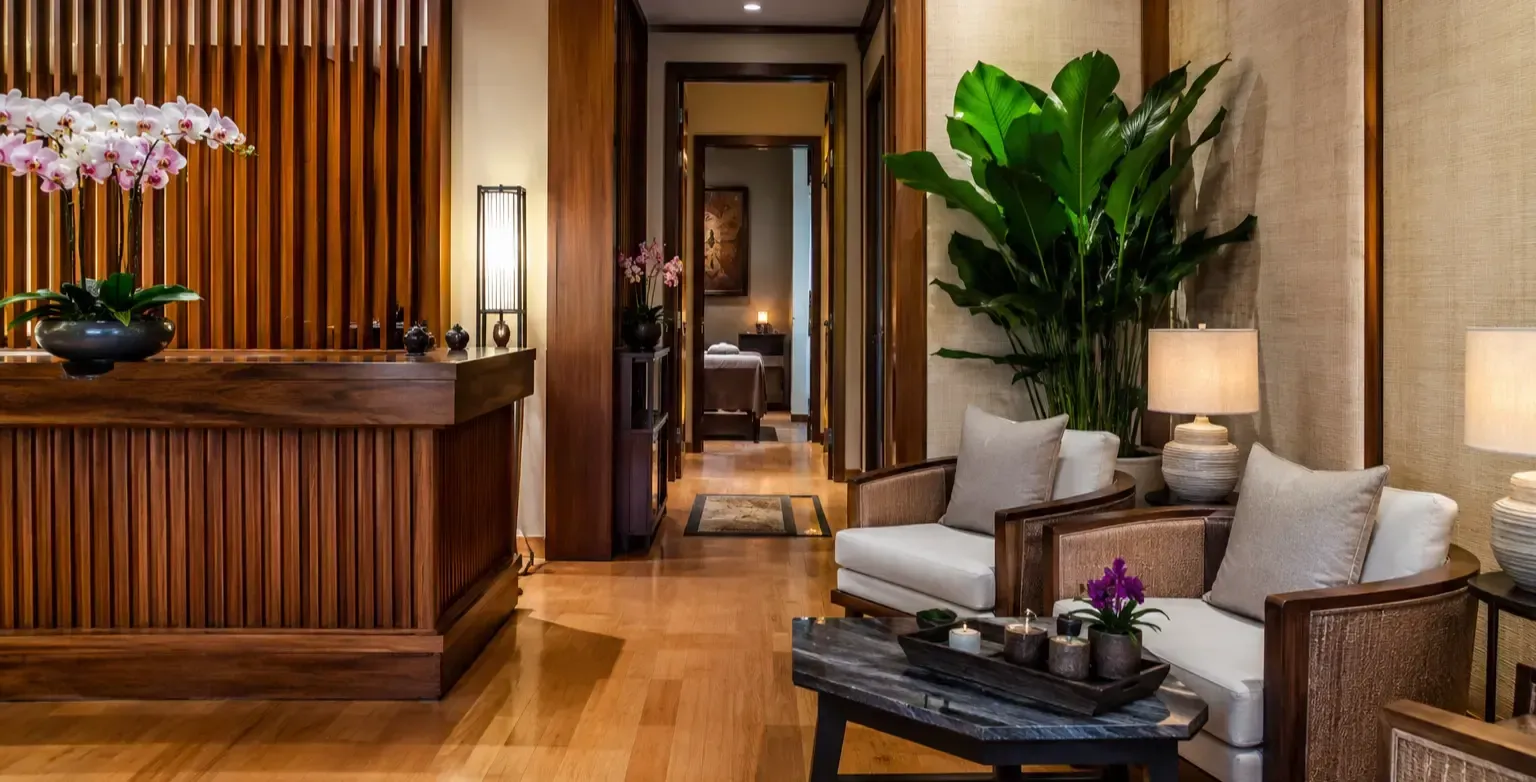
Located conveniently for both locals and visitors, the clinic is situated at 2301 E Sunset Rd. Las Vegas, NV 89119 Suite 19. A properly structured environment is essential for the treatment to be effective. The treatment rooms at this facility are designed to eliminate external distractions, allowing the nervous system to fully disengage from the high energy of the city.
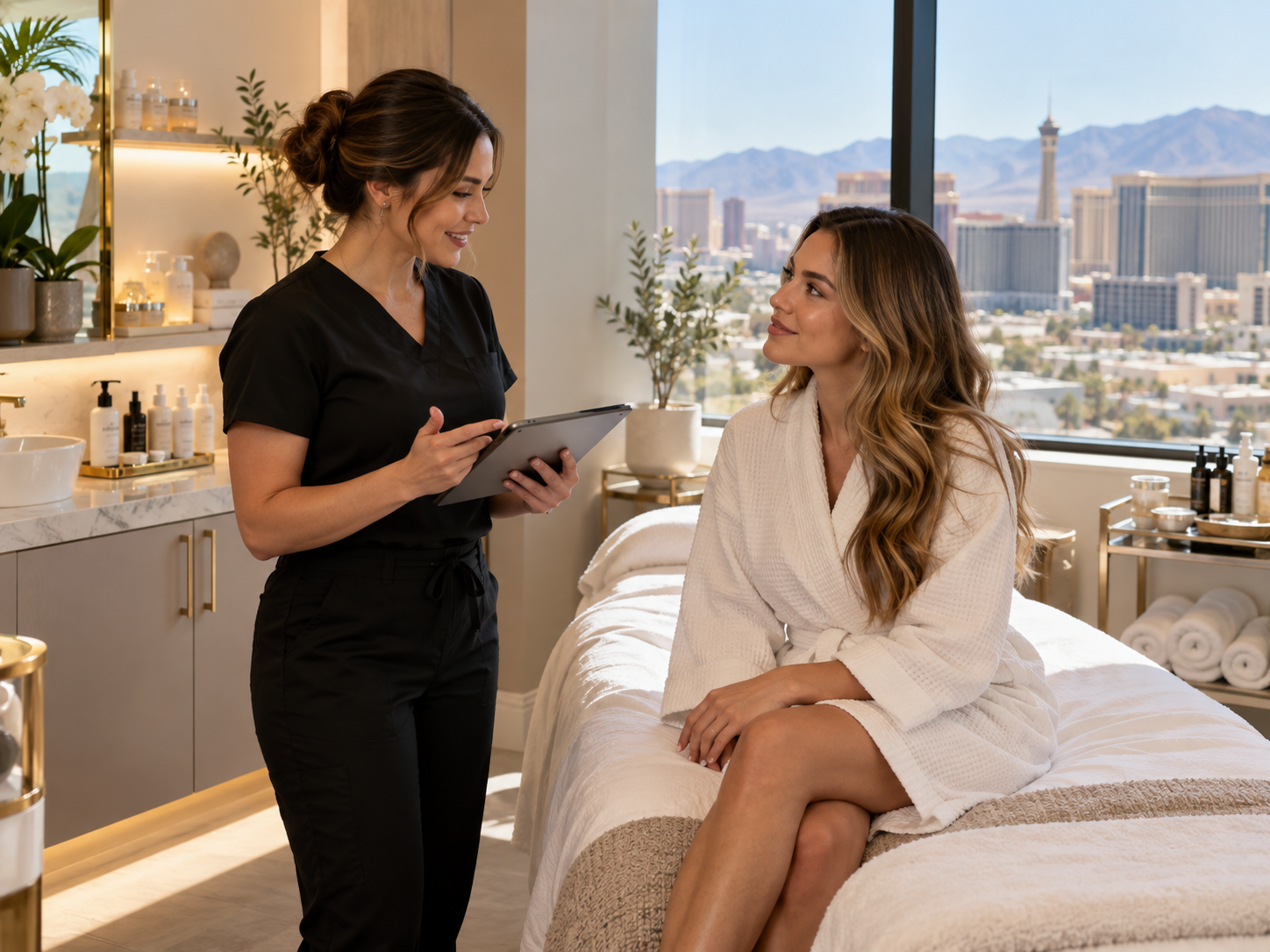
Clients can easily schedule their personalized wellness session by calling 725-205-1534. Prior to beginning any treatment, the practitioners conduct a brief physical assessment to identify specific areas of tension and discuss any existing injuries. This commitment to personalized care ensures that every session of Massage Therapy is both safe and highly effective.
Frequently Asked Questions About Thai Massage
Is Thai massage painful?
The treatment should not cause sharp or lingering pain. The therapist applies pressure that might feel intense, often described as a "good hurt" that indicates tight muscles are releasing. Clients are encouraged to communicate openly with their practitioner regarding pressure preferences. The therapist can easily adjust their technique to ensure the experience remains comfortable and highly beneficial.
What should I wear to my appointment?
Because the session involves deep stretching and joint mobilization, clients remain completely clothed throughout the entire duration. You should wear loose, breathable, and highly flexible clothing such as yoga pants, sweatpants, and a comfortable t-shirt. Many authentic clinics also provide specialized loose-fitting garments for clients to change into before the session begins.
How often should I get this type of massage therapy?
The ideal frequency depends heavily on your specific physical condition and wellness goals. Individuals dealing with chronic pain or recovering from minor soft tissue injuries often benefit from weekly sessions. For general maintenance, stress reduction, and flexibility improvement, scheduling an appointment once or twice a month provides excellent long-term results.