Why Doctors Recommend Specific Thai Massage Techniques for Back Pain Relief
Chronic back pain affects millions of adults every year, often becoming a persistent obstacle that limits mobility, disrupts sleep, and diminishes overall quality of life. For professionals spending hours at a desk, frequent travelers, and active adults managing the wear and tear of daily life, finding a sustainable solution is critical. Medical professionals are increasingly turning away from relying solely on pharmaceutical interventions. Instead, physicians in wellness-focused states like Florida and Nevada are actively recommending traditional, movement-based therapies to treat the root causes of musculoskeletal discomfort.
Among these alternative therapies, specific traditional Thai healing practices stand out for their clinical efficacy. Unlike standard relaxation treatments, this ancient practice combines acupressure, joint mobilization, and assisted stretching to decompress the spine and release deeply held muscular tension. By directly addressing the biomechanical imbalances that cause back pain, these techniques offer lasting relief.
The Biomechanics of Assisted Stretching and Acupressure
To understand why medical professionals endorse this modality, it is helpful to look at the biomechanics involved in the treatment. Lower back pain is frequently caused by a combination of tight hamstrings, rigid hip flexors, and compressed lumbar vertebrae. When these muscle groups lose their elasticity, they pull the pelvis out of alignment. This misalignment places undue stress on the lower spine.
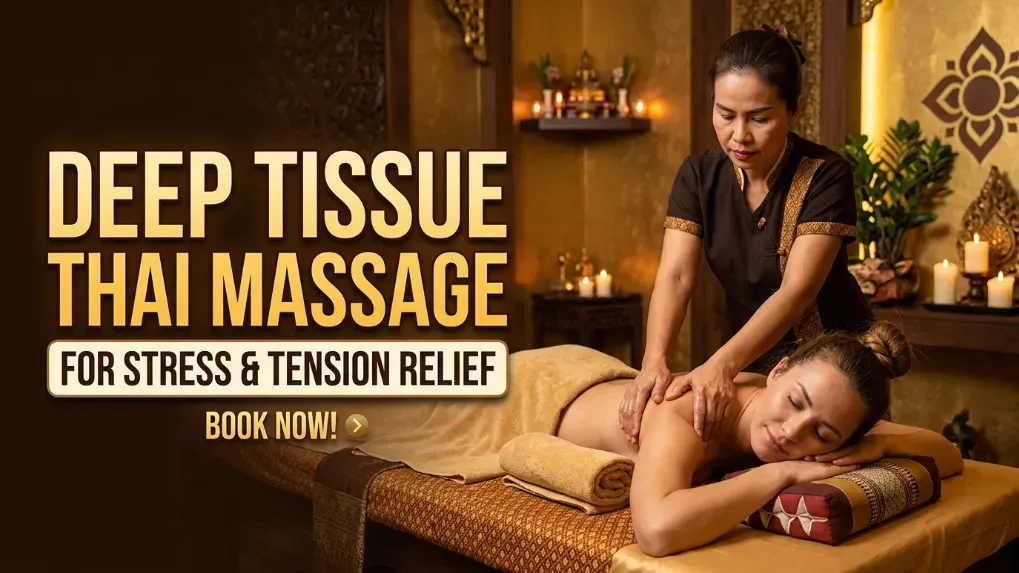
Traditional Thai techniques address this kinetic chain directly. The therapist uses their hands, elbows, knees, and feet to apply targeted pressure along specific energy lines known as Sen lines. In modern anatomical terms, these lines closely correspond to the body's myofascial meridians. By applying sustained compression to the fascia, the therapist helps to break down adhesions and scar tissue that restrict movement.
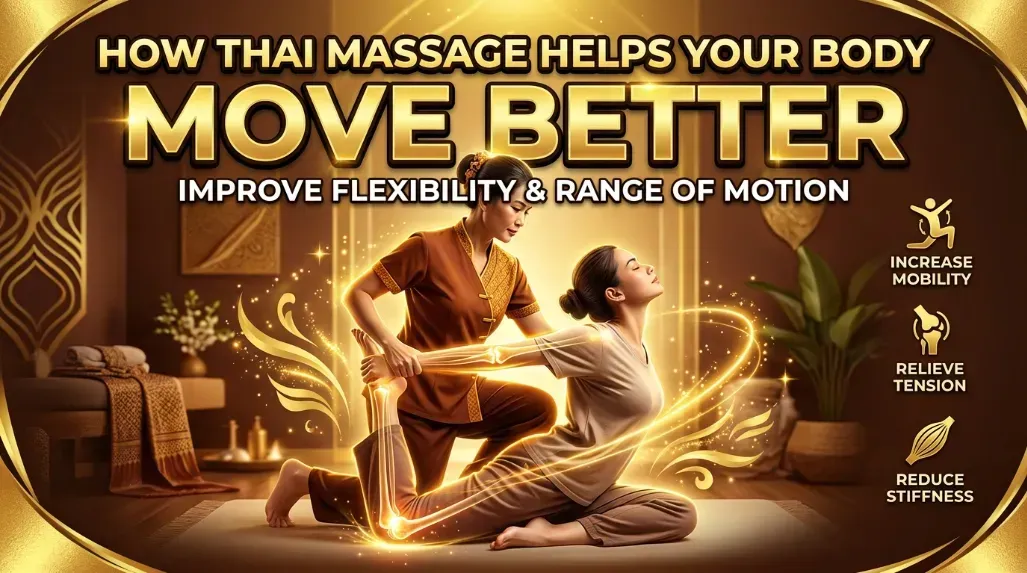
Following the compression phase, the therapist moves the client into a series of assisted yoga-like stretches. This passive stretching is particularly beneficial for adults between the ages of 30 and 65 who may have lost some of their natural flexibility. Because the therapist supports the client's weight and guides the movement, the stretches can go deeper and target the exact muscle fibers contributing to back pain, resulting in immediate joint decompression.
Why Medical Professionals Trust Professional Thai Massage Services
Physicians, chiropractors, and physical therapists recognize that chronic pain requires a multifaceted approach. In regions with high populations of retirees and active older adults like Florida, as well as high-traffic tourism and convention hubs like Las Vegas, doctors see a massive influx of patients suffering from mobility issues. They routinely recommend professional Thai massage services because the modality bridges the gap between clinical physical therapy and holistic wellness.
When a patient receives a standard massage, the relief is often superficial and temporary. The muscles relax, but the structural tension pulling on the back remains untreated. Professional Thai massage services actively engage the patient's musculoskeletal system. The rhythmic compressions stimulate blood flow, which flushes out metabolic waste products like lactic acid and introduces oxygen-rich blood to damaged tissues.
Furthermore, doctors appreciate the neurological benefits of the practice. Chronic pain keeps the body in a constant state of sympathetic nervous system arousal, commonly known as the fight or flight response. The slow, rhythmic pace of a traditional Thai session shifts the nervous system into a parasympathetic state. This transition lowers cortisol levels, reduces systemic inflammation, and allows the body's natural healing mechanisms to take over.
Comparing Back Pain Relief Options
When evaluating treatments for back pain, it is vital to understand how different modalities compare in terms of technique, intensity, and long-term benefits. The table below outlines how traditional Thai therapies stack up against other common pain management and recovery options.
| Modality Type | Primary Technique | Key Benefit for Back Pain | Intensity Level | Medical Recommendation Profile |
|---|---|---|---|---|
| Traditional Thai | Assisted stretching and acupressure | Spinal decompression and hip mobility | Moderate to High | Recommended for stiffness, postural correction, and chronic tension |
| Deep Tissue | Sustained, heavy manual pressure | Breaks down deep muscle adhesions | High | Recommended for localized knots and sports recovery |
| Swedish Massage | Gliding strokes and gentle kneading | General relaxation and circulation | Low | Recommended for acute stress and minor surface tension |
| Physical Therapy | Active, prescribed patient exercises | Structural rehabilitation and strength | Variable | Prescribed for post-surgical recovery and severe injury |
| Chiropractic | High-velocity joint manipulation | Immediate skeletal realignment | Moderate | Recommended for acute joint subluxation |
The Las Vegas Factor: Healing for Tourists and Professionals
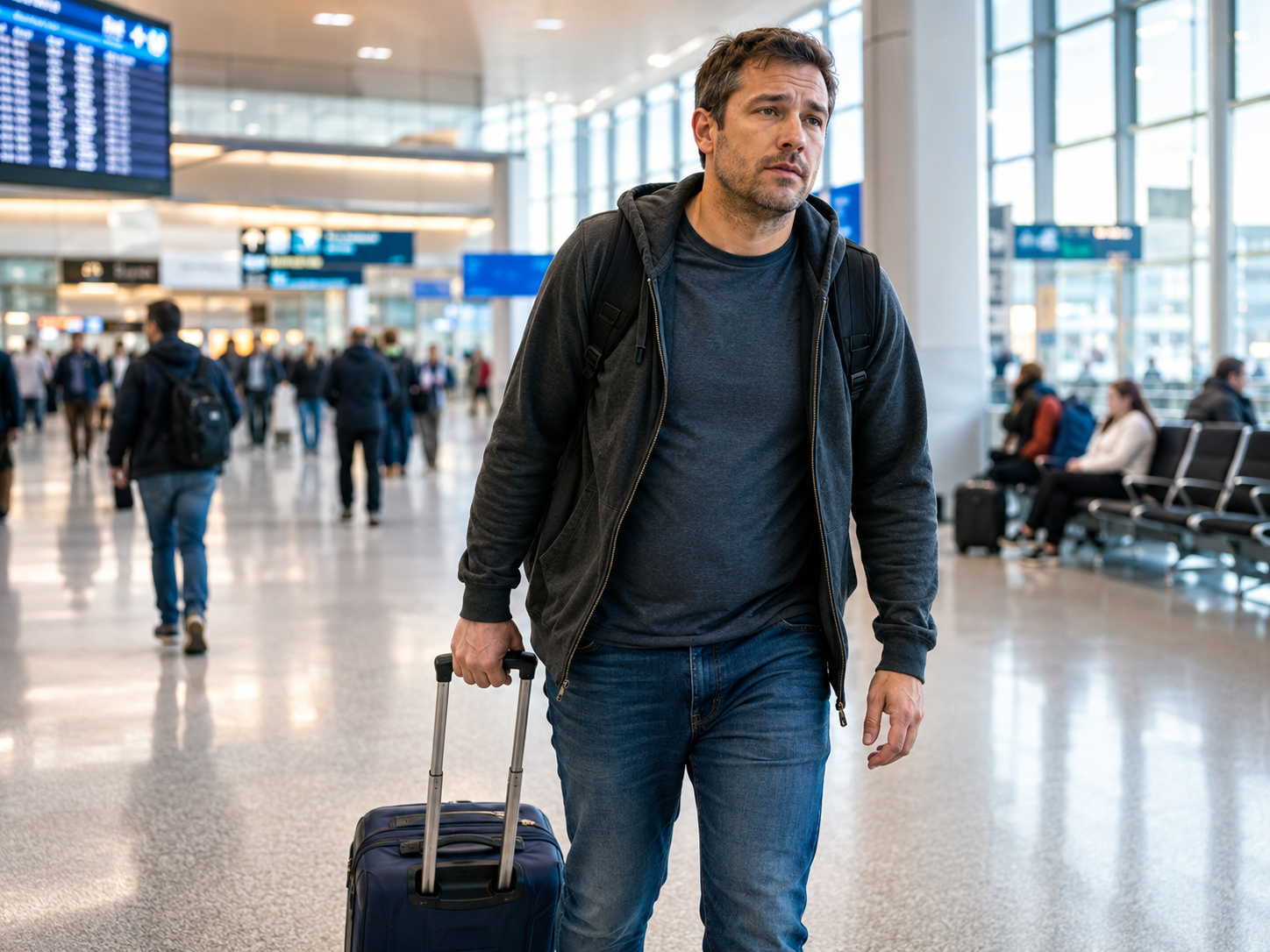
Las Vegas presents a unique environment that heavily contributes to physical fatigue and back pain. The city attracts millions of visitors annually for massive industry conventions, corporate retreats, and leisurely vacations. For a business traveler in their 40s or 50s, a trip to Las Vegas often involves long flights, carrying heavy luggage, and standing on hard concrete convention center floors for ten hours a day. Tourists frequently underestimate the sheer scale of the Las Vegas Strip, walking several miles daily in improper footwear.
This specific combination of physical exertion and travel-related stress creates a perfect storm for acute lower back pain, sciatica flare-ups, and severe muscle stiffness. My Thai Massage, located in the heart of Las Vegas, caters specifically to this demographic. The therapies provided are designed to deliver rapid, effective recovery so visitors can enjoy their trip or perform at their best during business meetings without debilitating discomfort.
Local residents and corporate professionals in Nevada also face their own unique physical challenges. Long commutes and extended hours sitting at a desk lead to anterior pelvic tilt, a condition where tight hip flexors pull the pelvis forward and compress the lower back. The stretching techniques utilized at My Thai Massage specifically lengthen these shortened hip flexors, providing immediate relief for office workers and local professionals.
What to Expect During Your Therapeutic Session
If you have never experienced this type of treatment before, the process is quite different from a standard spa visit. Understanding the structure of the session can help you prepare and maximize the therapeutic benefits.
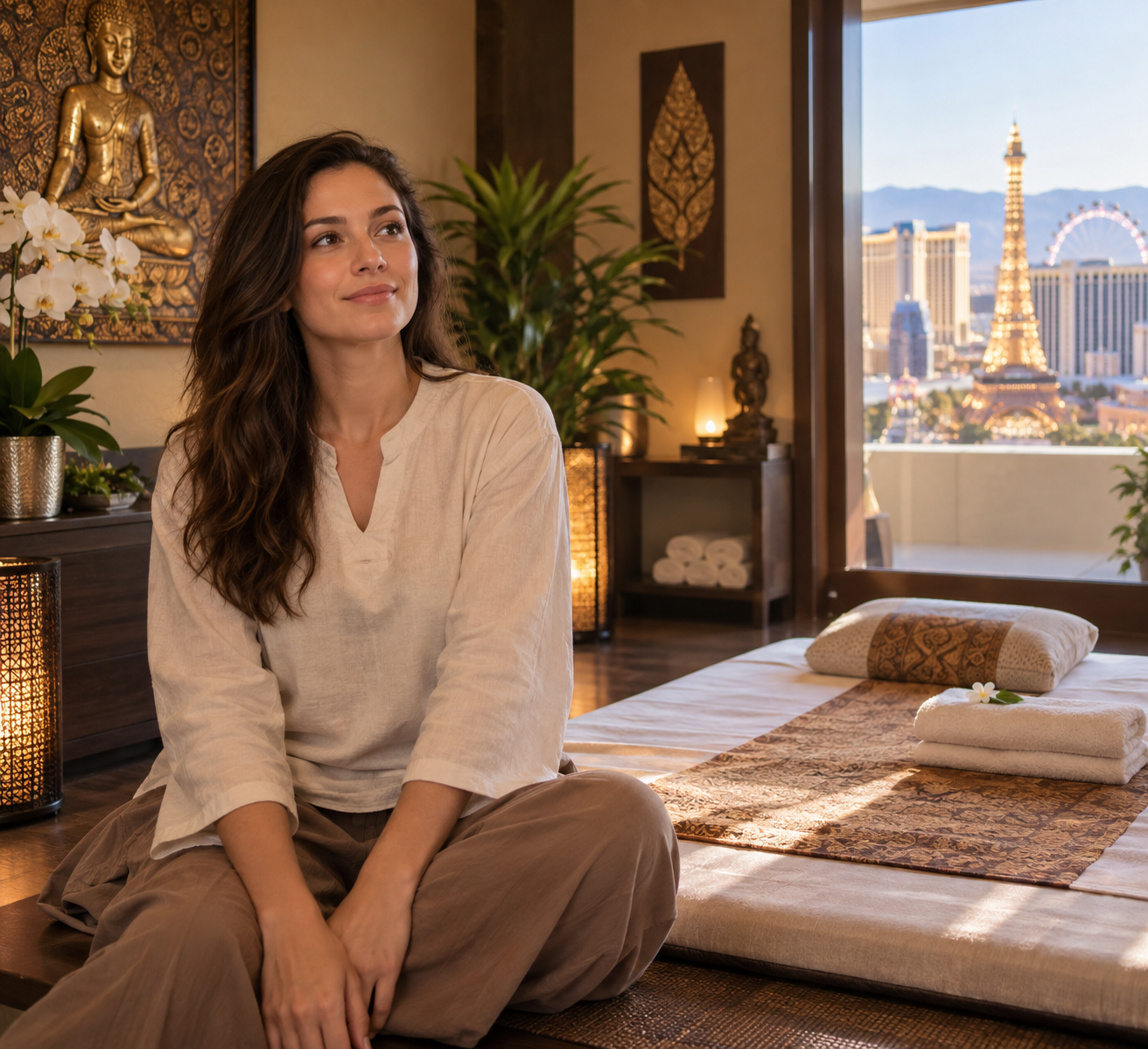
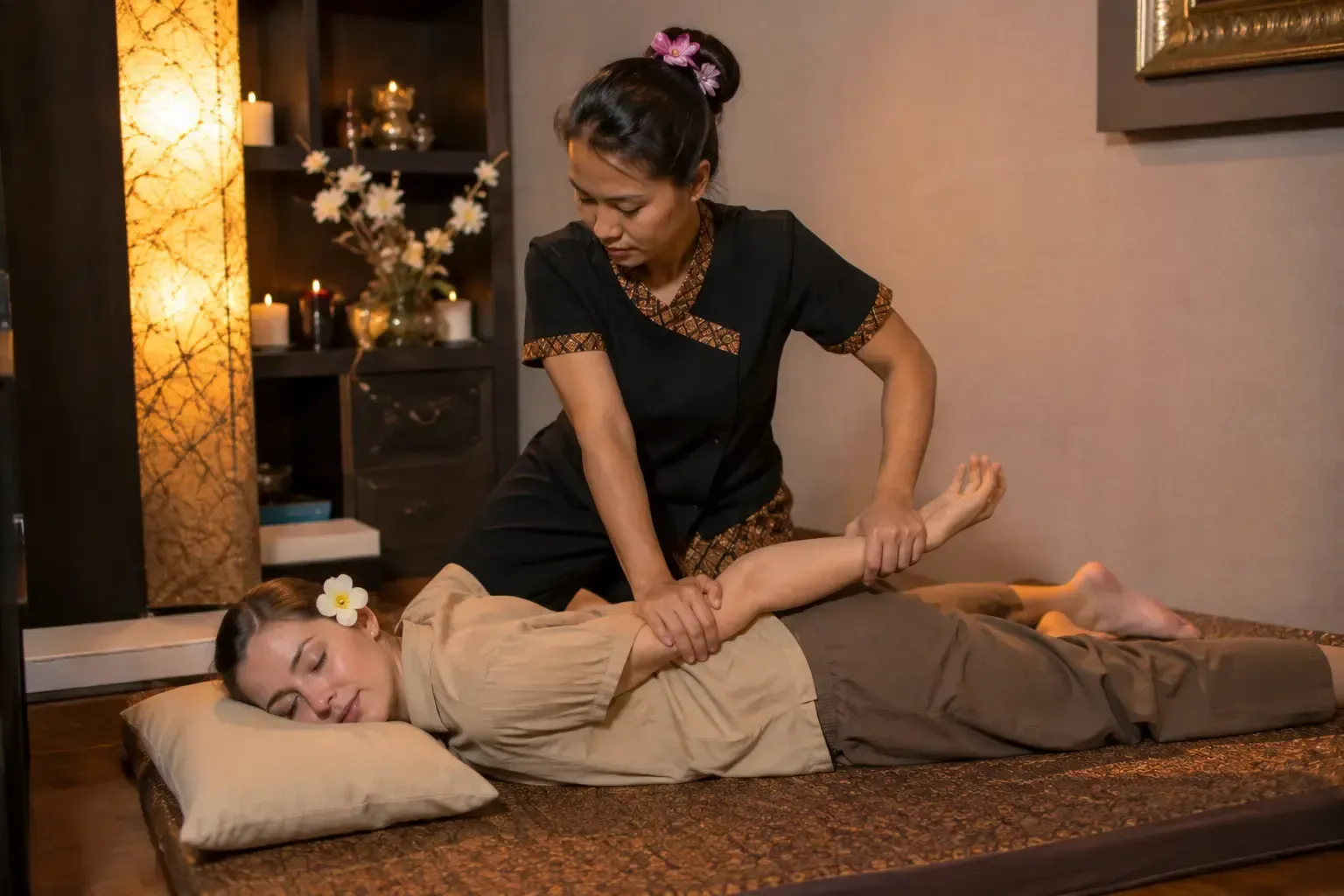
First, you will remain fully clothed throughout the entire treatment. Clients are provided with loose, comfortable garments that allow for an unrestricted range of motion. The session takes place on a comfortable, supportive mat on the floor rather than a raised, narrow massage table. This floor-based setup gives the therapist the necessary leverage to apply effective body weight for compressions and to safely maneuver your limbs into various stretches.
The therapist will begin by evaluating your current mobility and identifying areas of severe tension, paying special attention to the lower back, hips, and hamstrings. The treatment usually starts at the feet and works its way up the body. This systemic approach is intentional. Tight calves and hamstrings pull on the glutes, which in turn pull on the lower back. By loosening the lower extremities first, the therapist ensures that the back will respond more favorably to the later stretches.
Communication is a vital part of the process. The therapist will constantly monitor your comfort levels. While the deep acupressure and stretching can be intense as tight muscles release, it should never cross the threshold into sharp pain. This precise balance between therapeutic discomfort and release is what makes the technique so highly regarded by pain management specialists.
Integrating Therapy into a Broader Wellness Plan
Achieving permanent relief from back pain requires consistency and a proactive approach to physical health. A single session will provide significant immediate relief, but integrating these therapies into a regular wellness routine yields the best long-term results.
Adults dealing with chronic stress and physical demands should consider scheduling sessions every two to four weeks. This frequency prevents muscle tension from compounding and keeps the joints fully mobile. Furthermore, the increased bodily awareness you gain from the assisted stretches will help you identify poor posture habits during your daily life. You will naturally start to correct how you sit at your desk, how you stand during long events, and how you carry your luggage.
Whether you are a local resident managing the physical toll of a demanding career, or a visitor looking to recover from the intense pace of the Las Vegas Strip, professional therapeutic care is a vital investment in your health. Do not let chronic back pain dictate your mobility or ruin your travel experience. Take control of your physical well-being by choosing a therapy trusted by medical professionals for its physiological benefits.
To experience the profound relief of these specialized techniques, book your session with the expert therapists at My Thai Massage today.
Frequently Asked Questions
How often should I get a Thai massage for chronic back pain?
For individuals dealing with chronic back pain, scheduling a session every two to three weeks is highly beneficial. This frequency allows the therapist to continuously work on deep muscle adhesions and progressively improve your joint mobility. Once your pain levels decrease and your flexibility improves, monthly maintenance sessions are usually sufficient to keep the back pain from returning.
Is Thai massage safe if I have a history of lower back injuries?
Yes, but open communication is essential. Professional therapists are highly trained to modify their techniques based on your medical history. If you have a history of herniated discs, sciatica, or recent surgeries, you must inform your therapist before the session begins. They will avoid extreme spinal twists and focus instead on gentle decompression, hamstring release, and soothing acupressure to safely support your recovery.
Do I need to wear specific clothing for my appointment?
You do not need to bring any special clothing. The spa will provide you with a clean, loose-fitting shirt and comfortable trousers to wear during your treatment. Because the session involves passive stretching and movement on a floor mat, these traditional garments ensure you remain fully covered and completely comfortable while allowing the therapist to move your limbs through their full range of motion.
How long does a typical Thai massage session last?
Standard sessions range from 60 to 90 minutes, though shorter or extended appointments can often be arranged.