Unlocking Calm: The Mind-Body Benefits of Consistent Massage Therapy
In our hyper-connected, fast-paced world, stress has become more than just a fleeting feeling; it's a chronic condition for many. We juggle deadlines, digital notifications, and personal responsibilities, often leaving our own well-being at the bottom of the to-do list. This constant state of 'on' takes a significant toll not just on our minds, but on our bodies. We experience it as tension in our shoulders, persistent headaches, restless nights, and a general sense of unease. But what if there was a way to systematically unwind this tension and cultivate a lasting state of calm? The answer lies in the profound and cumulative power of consistent massage therapy.
Many view massage as a luxury—a rare treat reserved for special occasions. However, reframing it as an essential component of a proactive wellness routine can unlock transformative benefits for both physical and mental health. It’s not about a single, isolated moment of relaxation; it's about the long-term, synergistic effects that build over time. Here at My Thai Massage, we've witnessed firsthand how regular therapy becomes a cornerstone of a balanced, healthier life. This article will explore the deep science behind the mind-body connection in massage and reveal why consistency is the key to unlocking its full potential.

Beyond the Muscles: The Neurological Magic of Massage
To truly appreciate massage therapy, we must look beyond the simple act of rubbing muscles. The most profound effects begin within your nervous system. Our bodies operate on two primary nervous system modes: the sympathetic ('fight-or-flight') and the parasympathetic ('rest-and-digest'). Modern life keeps us perpetually stuck in sympathetic overdrive.
Consistent massage therapy acts as a powerful manual switch. The skilled application of pressure, stretching, and rhythmic strokes sends signals to the brain that the environment is safe, encouraging a shift into the parasympathetic state. This isn't just a feeling; it's a measurable physiological change:
- Cortisol Reduction: Cortisol is the body's primary stress hormone. While useful in short bursts, chronically elevated levels contribute to anxiety, weight gain, and suppressed immune function. Studies have consistently shown that massage therapy significantly reduces cortisol levels, helping to recalibrate your body's stress response over time.
- Endorphin and Neurotransmitter Release: Massage stimulates the release of endorphins, the body's natural painkillers. It also boosts the production of serotonin and dopamine, neurotransmitters responsible for mood regulation, happiness, and motivation. This is why you often feel a sense of blissful calm and positivity after a session—a feeling that becomes more stable with regular appointments.
The Ripple Effect: Comprehensive Physical Benefits of Regular Massage
While the neurological benefits are foundational, they create a cascade of positive physical changes throughout the body. When massage becomes a regular practice, these effects compound, leading to significant improvements in your overall physical health.
Enhanced Circulation and Detoxification
The pressure from massage techniques improves blood flow, delivering more oxygen and vital nutrients to your muscles and tissues. This enhanced circulation aids in faster recovery from physical exertion and injury. Simultaneously, it stimulates the lymphatic system, the body's natural drainage network responsible for clearing out metabolic waste and toxins. A more efficient lymphatic system means a stronger immune response and less inflammation.
Improved Flexibility and Range of Motion
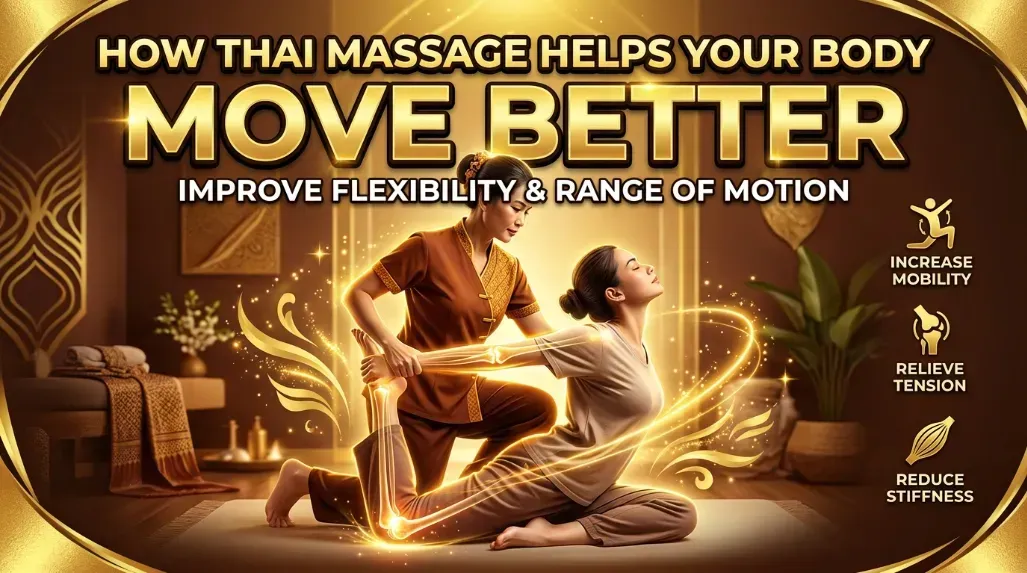
Repetitive motions, poor posture (hello, 'tech neck'!), and a sedentary lifestyle lead to tight, shortened muscles and stiff joints. Modalities like Thai massage, which incorporate passive stretching and yoga-like movements, are particularly effective at lengthening muscle fibers and increasing joint mobility. Over time, this leads to better posture, reduced risk of injury, and a feeling of greater freedom and ease in your body.
Deeper, More Restorative Sleep
If you struggle with sleep, regular massage could be a game-changer. By lowering stress hormones and promoting relaxation, massage helps regulate your sleep-wake cycle. The increase in serotonin is also crucial, as serotonin is a precursor to melatonin, the hormone that governs sleep. Many clients report experiencing deeper, less interrupted sleep, not just on the night of their massage, but consistently as they continue with their therapy plan.
A Sanctuary for the Mind: Emotional and Mental Clarity
The division between mind and body is an artificial one. Emotional stress manifests physically, and physical discomfort impacts our mental state. Consistent massage therapy provides a dedicated space to address both simultaneously.
Regular sessions create a powerful ritual of self-care. It's a scheduled time where you are disconnected from technology and external demands, allowing your mind to quiet down. This practice helps reduce the symptoms of anxiety and depression by regulating the nervous system and boosting mood-enhancing chemicals. Furthermore, it fosters a greater sense of 'interoception'—the awareness of your own body's signals. You become better at recognizing when you're holding tension and can proactively address it before it becomes chronic pain or overwhelming stress. This heightened mind-body awareness is a cornerstone of long-term mental resilience.
The Cumulative Advantage: Why Consistency is the True Secret
A single massage is a wonderful experience, but its benefits are often temporary. The true transformation occurs when it becomes a consistent part of your lifestyle. Think of it like exercise or healthy eating—results are achieved through sustained effort, not a one-time event. Each session builds upon the last, training your body and mind to exist in a more relaxed, balanced state.
At My Thai Massage, we encourage clients to think of massage not as a reactive fix for pain, but as proactive maintenance for their well-being. A consistent schedule—whether it's weekly, bi-weekly, or monthly—allows your therapist to address deeper patterns of tension and make more significant, lasting progress.
Sporadic vs. Consistent Massage: A Comparison
| Feature | Sporadic Massage (Once or twice a year) | Consistent Massage (e.g., Monthly) |
|---|---|---|
| Stress Management | Provides temporary relief from acute stress. | Lowers baseline cortisol levels, improving long-term stress resilience. |
| Pain Relief | Addresses surface-level muscle knots and immediate pain. | Manages chronic pain conditions by addressing deep-seated tension patterns and improving posture. |
| Mood & Mental Health | Offers a temporary mood boost and relaxation. | Helps regulate neurotransmitters for a more stable, positive mood and reduced anxiety symptoms. |
| Physical Health | Briefly improves circulation and flexibility. | Leads to sustained improvements in sleep quality, immune function, and range of motion. |
Your Journey to Sustainable Calm
Your path to well-being is a journey, not a destination. Integrating consistent massage therapy into your life is a powerful investment in your long-term health, happiness, and resilience. It’s a declaration that your peace of mind and physical comfort are non-negotiable priorities. By embracing this practice, you are not just treating symptoms; you are cultivating a foundation of wellness that will support you through all of life's challenges.
Are you ready to stop managing stress and start mastering it? It's time to experience the profound, cumulative benefits for yourself. Don't wait for the tension to become overwhelming. Take the first step on your path to unlocking sustainable calm. Book your session today and begin your transformation.
Frequently Asked Questions
How often should I get a massage for the best results?
The ideal frequency depends on your goals, lifestyle, and budget. For general wellness and stress management, once a month is a great starting point. If you're addressing chronic pain or high stress levels, you might benefit from sessions every 1-2 weeks initially, then tapering to a monthly maintenance schedule.
What's the difference between Thai massage and a regular Swedish massage?
Swedish massage is the most common type in the West, focusing on long, gliding strokes, kneading, and friction on the muscles, typically performed on a table with oil. Thai massage, by contrast, is performed on a mat on the floor with the client fully clothed. It's a more active form of massage that involves deep, rhythmic pressure and a series of yoga-like stretches to open up joints and energy lines in the body.
Will massage therapy really help with my anxiety?
Yes, for many people it can be a very effective tool. Massage helps calm the nervous system, reduce levels of the stress hormone cortisol, and increase serotonin and dopamine, which help stabilize mood. The safe, therapeutic touch itself can also be incredibly grounding for those experiencing anxiety.
Is it normal to feel a little sore after a massage?
It can be, especially after a deep tissue or Thai massage that works on chronic muscle knots. This is similar to the soreness you might feel after a workout. It's typically mild and subsides within a day or two. Drinking plenty of water after your session can help minimize any discomfort.