From Table to Tranquility: Essential After-Massage Care You Shouldn’t Skip
You’ve just spent a blissful hour on the massage table. The knots in your shoulders have been expertly worked out, the tension in your lower back has melted away, and you’re floating in a state of deep relaxation. This feeling of tranquility is precisely why you booked the appointment. But what you might not realize is that the therapeutic journey doesn’t end when you step out of the treatment room. In fact, the hours and days following your session are a critical window for maximizing and extending the profound benefits of your massage.
Think of after-massage care as the second, equally important, half of your treatment. It’s the bridge between the immediate relief you feel on the table and long-lasting wellness. Skipping this crucial step is like leaving a five-star meal before dessert—you’re missing out on the best part! Here at My Thai Massage, we believe that empowering our clients with knowledge is key to their well-being. This comprehensive guide will walk you through everything you need to know to nurture your body and mind after a massage, ensuring you get the most out of every single session.
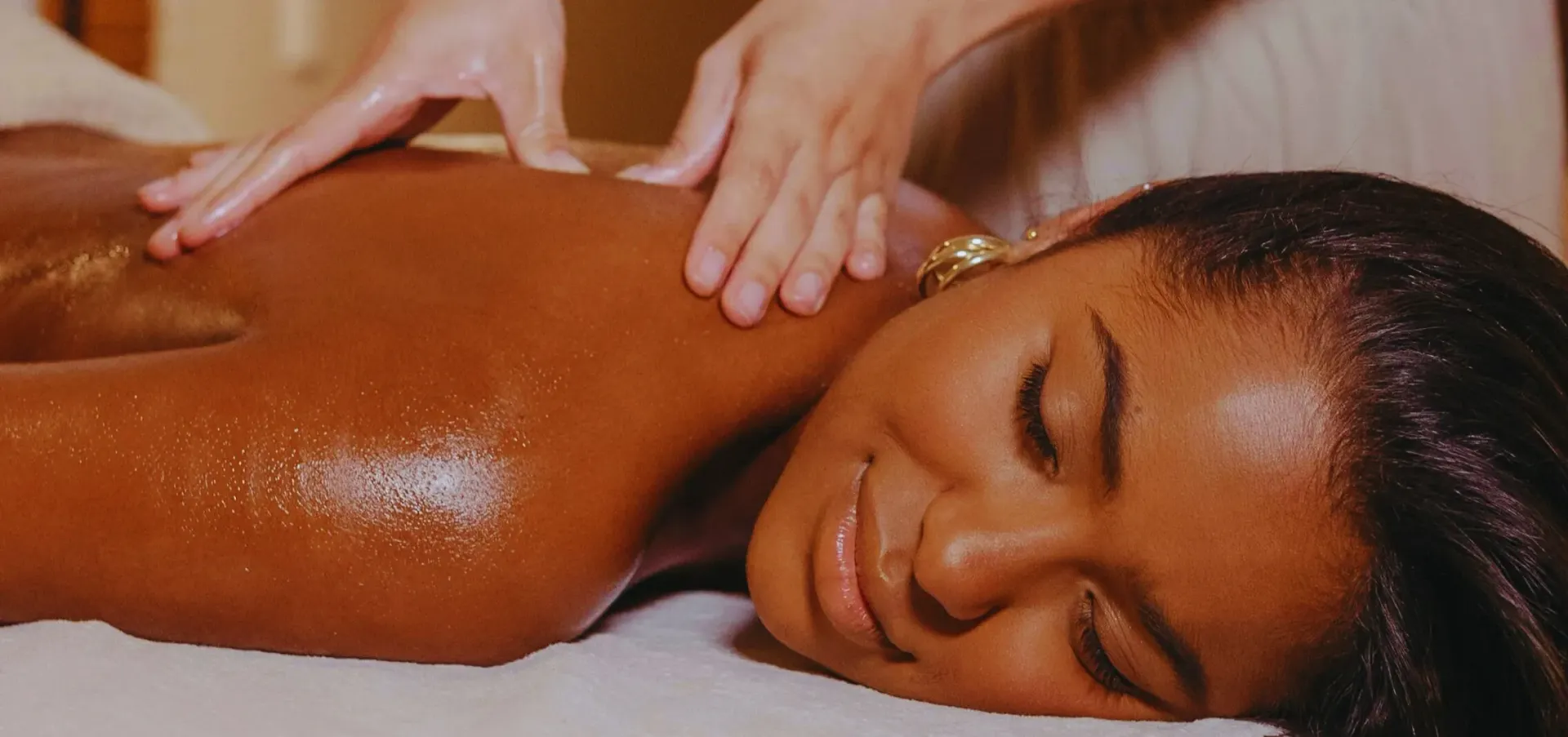
The Golden Hour: Your First 60 Minutes Post-Massage
The moments immediately following your massage are pivotal. Your body is in a highly receptive state, and your actions during this time can set the tone for the rest of your recovery.
1. Rise Slowly and Mindfully
Don't jump up from the table as soon as your therapist leaves the room. Your blood pressure may have dropped slightly during the session, and rising too quickly can lead to dizziness or lightheadedness. Take a few deep, conscious breaths. Wiggle your fingers and toes, gently reawakening your body. Sit on the edge of the table for a minute before standing up. This gentle transition helps your body readjust gracefully.
2. Communicate with Your Therapist
Your therapist may have some specific observations or recommendations for you based on what they found during your session—perhaps a particularly tight muscle group that needs extra attention or a suggestion for a specific stretch. This is also your opportunity to ask questions. Don't be shy! Understanding your body better is part of the therapeutic process.
3. Dress Comfortably
After a massage, your body is relaxed and your senses might be heightened. Squeezing into tight, restrictive clothing can be jarring and can counteract the feeling of openness you’ve just cultivated. Opt for loose, soft, and comfortable attire to wear home.
The Elixir of Life: Why Hydration is Non-Negotiable
If there is one piece of after-massage advice that every therapist will give you, it’s this: drink plenty of water. This isn’t just a casual suggestion; it’s a physiological necessity for maximizing the benefits of your treatment.
The Science of Flushing Toxins
During a massage, especially a deep tissue or Thai massage, the therapist's manipulations work to break up adhesions (knots) in your muscle fibers. This process releases metabolic waste products—like lactic acid—that have been trapped in these tight areas. While your body is brilliant at filtering waste via the kidneys and liver, this sudden release can be a bit of a shock to the system. Drinking ample water helps your lymphatic system and kidneys to efficiently flush out these substances, preventing them from resettling and causing soreness or sluggishness.
How Much is Enough?
Aim to drink at least two to three extra glasses of water in the hours following your massage than you normally would. Continue to hydrate well for the next 24-48 hours. Listen to your body’s cues. If you feel thirsty, you’re already dehydrated. Sip water consistently throughout the day rather than chugging it all at once. Herbal teas, like chamomile or peppermint, are also excellent hydrating and soothing options.
Fuel Your Recovery: The Post-Massage Meal Plan
What you eat after your massage plays a significant role in your recovery and energy levels. Your digestive system is in a relaxed state, so it’s best to avoid shocking it with a heavy, greasy, or processed meal.
What to Eat
Focus on light, nourishing, and easily digestible foods. Think of your post-massage meal as fuel for your body's repair work. Good choices include:
- Fruits and Vegetables: Rich in vitamins, minerals, and antioxidants to fight inflammation. A light salad, a smoothie, or some steamed vegetables are perfect.
- Lean Protein: Helps with muscle repair. Consider grilled chicken, fish, tofu, or a handful of nuts.
- Healthy Fats: Avocados, olive oil, and seeds can help reduce inflammation.
- Whole Grains: A small portion of quinoa or brown rice can provide sustained energy without weighing you down.
What to Avoid
For at least 12-24 hours, try to steer clear of:
- Caffeine: It’s a diuretic, which is counterproductive to your hydration goals. It's also a stimulant, which can interfere with your body's relaxed state.
- Alcohol: Like caffeine, alcohol is dehydrating. It also burdens your liver, which is already busy processing the metabolic waste released during your massage.
- Heavy, Processed, or Sugary Foods: These can cause inflammation and make you feel sluggish, effectively undoing some of the good work of your massage.
Embrace the Stillness: The Power of Rest and Gentle Movement
Your body has just undergone a significant therapeutic process. Even though you were lying passively, your muscles have been stretched, compressed, and manipulated. This is a form of passive exercise, and it requires a period of recovery.
Avoid Strenuous Activity
Resist the temptation to hit the gym, go for a long run, or do heavy lifting for at least 24 hours. Engaging in intense physical activity can strain the muscles that have just been relaxed and can lead to injury or increased soreness. Give your body the gift of rest.
Opt for Gentle Movement
Rest doesn’t mean being completely sedentary. Light activity can actually be beneficial. A slow, mindful walk can help with circulation and prevent stiffness. Gentle stretching, focusing on the areas your therapist worked on, can also help maintain the newfound flexibility and length in your muscles.
Listen to Your Body: Decoding Post-Massage Sensations
It's common to experience a range of physical and even emotional sensations after a massage. Learning to interpret these signals is key to your long-term care.
Therapeutic Soreness
It’s perfectly normal to feel a bit sore the day after a deep tissue or therapeutic massage, similar to the delayed onset muscle soreness (DOMS) you might feel after a new workout. This is a sign that your muscles have been worked effectively and are in the process of healing and realigning. This soreness should be mild and should subside within 24-48 hours.
Emotional Release
Our bodies often store emotional stress in our muscles. The physical release of this tension during a massage can sometimes trigger an emotional release as well. It’s not uncommon to feel particularly pensive, emotional, or even a little weepy after a session. This is a positive sign that you’re letting go of stored stress. Allow yourself to feel these emotions without judgment.
A Quick Reference Guide: Post-Massage Do's and Don'ts
To make it even easier, here’s a simple table to guide your after-massage care.
| Do's | Don'ts |
|---|---|
| Drink plenty of water and herbal tea. | Consume alcohol or excessive caffeine. |
| Eat a light, nutritious meal. | Eat a heavy, greasy, or processed meal. |
| Take a warm Epsom salt bath. | Engage in strenuous exercise or heavy lifting. |
| Engage in light activity like walking or gentle stretching. | Rush back into a stressful environment immediately. |
| Listen to your body and rest if you feel tired. | Ignore feelings of soreness or fatigue. |
| Take note of how you feel, both physically and emotionally. | Take a very hot shower or use a sauna immediately. |
Conclusion: Integrating Massage into Your Wellness Lifestyle
A massage is a powerful investment in your health, but its true value is unlocked in the hours and days that follow. By embracing proper aftercare—hydrating, nourishing, resting, and listening to your body—you transform a one-hour session into days of sustained relief and well-being. You honor the work your therapist has done and, more importantly, you honor your body’s incredible capacity for healing.
At My Thai Massage, we are dedicated to being your partners in wellness. We encourage you to make this aftercare routine a non-negotiable part of your experience. When you’re ready to continue your journey from tension to tranquility, we invite you to book your next session and experience the lasting difference that mindful care can make.
Frequently Asked Questions
Why do I sometimes feel sore after a deep massage?
It's common to experience some muscle soreness, similar to what you'd feel after a good workout. This is known as Delayed Onset Muscle Soreness (DOMS). During a deep massage, the therapist works on tight muscles and breaks up adhesions (knots). This process creates micro-trauma in the muscle fibers, which is a normal part of the healing and realignment process. The soreness should be mild and typically subsides within 24-48 hours.
How much water should I really drink after my session?
A good rule of thumb is to drink at least half your body weight in ounces of water daily, but on a massage day, you should aim for more. Try to drink two to four extra 8-ounce glasses of water in the 12 hours following your massage. This helps your kidneys and lymphatic system efficiently flush out the metabolic waste that was released from your muscle tissues during the session.
Can I exercise after a massage?
It's best to avoid strenuous exercise for at least 12-24 hours after a massage. Your muscles have been relaxed, lengthened, and worked on, making them more susceptible to strain or injury. Light activity, such as a gentle walk or some light stretching, is perfectly fine and can even be beneficial for circulation. Listen to your body and give it the rest it needs to integrate the therapeutic work.
What should I avoid eating or drinking after my massage?
For the first 12-24 hours, try to avoid dehydrating beverages like alcohol and caffeine. You should also steer clear of heavy, processed, fried, or sugary foods. These can increase inflammation and place an extra burden on your liver, which is already working to process the toxins released during your massage. Opt for light, whole foods and plenty of water instead.