Beyond the Mat: Why Traditional Thai Massage Is More Than Relaxation—It’s Whole-Body Healing
Discover how the ancient art of Nuad Boran transcends simple spa luxury to become a comprehensive system for physical, mental, and energetic restoration.
The Evolution of Healing: Why We Need More Than Just a Rubdown
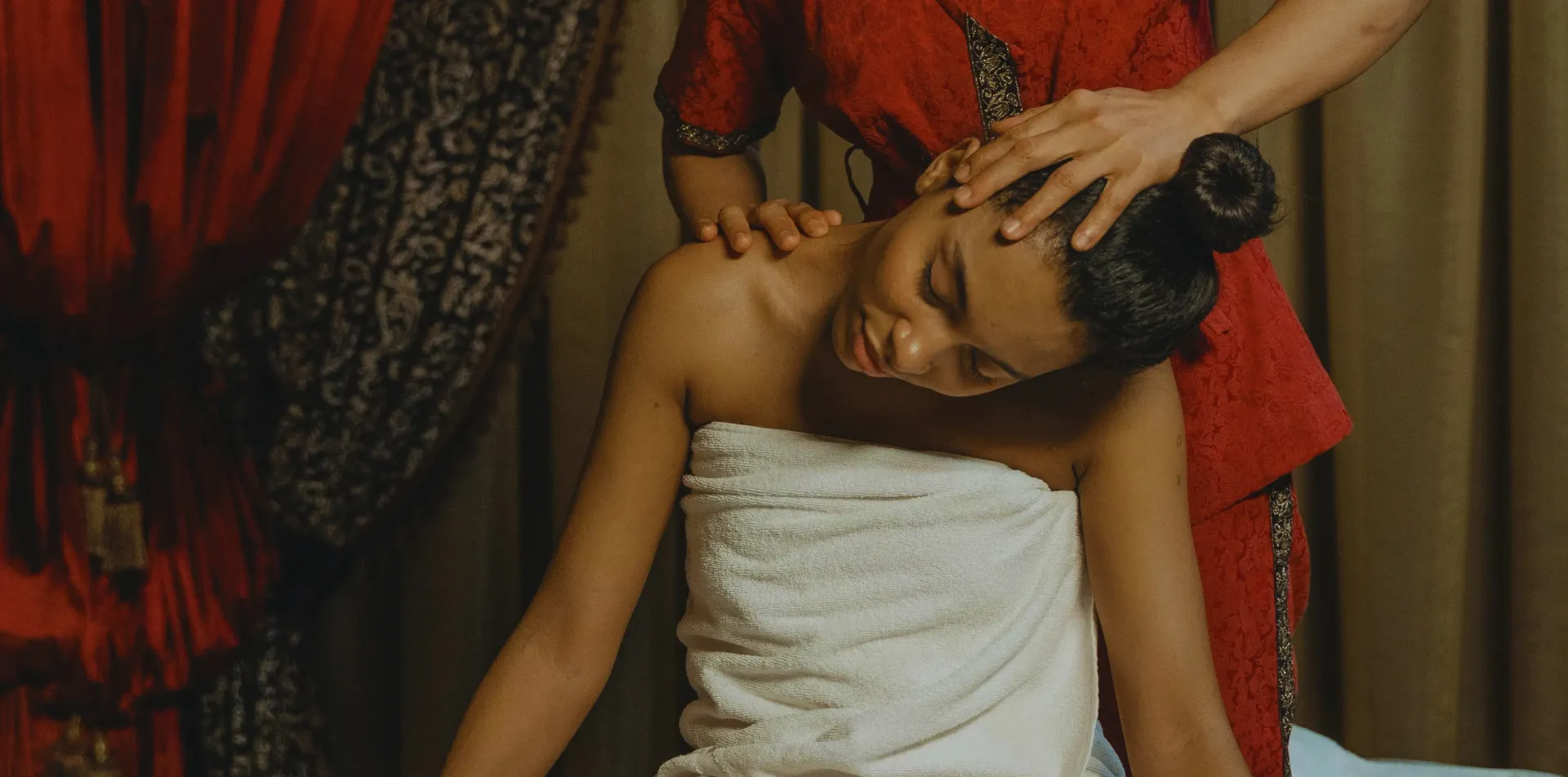
In the modern world, the term "massage" often conjures images of scented candles, soft music, and a gentle therapist rubbing oil into your back. While this Swedish-style relaxation has its place, it often addresses only the surface level of tension. As our lives become increasingly sedentary yet mentally taxing, our bodies require a more rigorous, holistic intervention. This is where traditional Thai massage enters the frame—not merely as a luxury, but as a vital medical discipline.
Known in Thailand as Nuad Boran (ancient healing way), this practice is a sophisticated blend of assisted yoga, acupressure, and energy work. It is often referred to as "lazy man's yoga" because the practitioner moves your body through a series of intensive stretches. However, to view it only as stretching is to miss the profound physiological and energetic shifts occurring beneath the skin. At Our Homepage, we see firsthand how this ancient practice serves as a corrective force for the modern human condition.
The Sacred Origins of Traditional Thai Massage
To understand why traditional Thai massage is so effective, one must look at its roots. Unlike Western massage techniques that focus primarily on anatomy and physiology, Thai massage is rooted in a spiritual and medicinal tradition that dates back over 2,500 years. It is widely believed to have been founded by Jivaka Kumar Bhaccha, a contemporary of the Buddha and a celebrated physician in ancient India.
When Buddhism migrated from India to Thailand, these healing arts traveled with it. Over centuries, the techniques were refined within Thai Buddhist temples (Wats), most notably Wat Pho in Bangkok. This history is significant because it imbues the practice with a sense of "Metta" or loving-kindness. When you visit Our Homepage, you are engaging with a lineage of healers who view the body as a sacred vessel that requires balance between the physical and the spiritual.
The practice was traditionally passed down orally from master to student. It wasn't until the 19th century that King Rama III ordered the medical knowledge to be carved into the stones of Wat Pho to ensure its survival. Today, these inscriptions remain a testament to the scientific and spiritual rigor of the craft.
The Science of Sen: Understanding Thai Energy Lines
At the heart of traditional Thai massage is the concept of "Sen" lines. According to Thai medical theory, the human body is interlaced with 72,000 energy pathways. While this may sound esoteric, it aligns closely with the meridians found in Chinese medicine and the nadis of Indian Yoga. In a clinical sense, these lines often correspond to the body’s major blood vessels and nerve pathways.
In Thai medicine, illness is seen as a blockage or imbalance in the flow of "Lom" (air or vital energy) through these Sen lines. When the energy is stuck, the body experiences pain, stiffness, or emotional distress. A skilled therapist at My Thai Massage uses their hands, elbows, knees, and feet to apply rhythmic pressure along these lines, effectively "unblocking" the system.
The Major Ten Sen Lines (Sib Sen)
While there are thousands of pathways, Thai massage focuses on the ten primary lines (Sib Sen). These include:
- Sen Sumana: Running through the center of the body, governing the heart and respiratory system.
- Sen Ittha and Sen Pingkhala: Running along the spine, influencing the nervous system and waste elimination.
- Sen Kalathari: Managing the extremities and the psyche.
By targeting these specific lines, the therapist isn't just treating a sore muscle; they are recalibrating the entire nervous system, facilitating better circulation, and promoting organ health.
Physical Benefits: More Than Just Flexibility
Many people Book Now because they feel "tight," but the physical benefits of traditional Thai massage go far beyond simple muscle lengthening. Here is how it transforms the physical body:
1. Enhanced Range of Motion and Joint Health
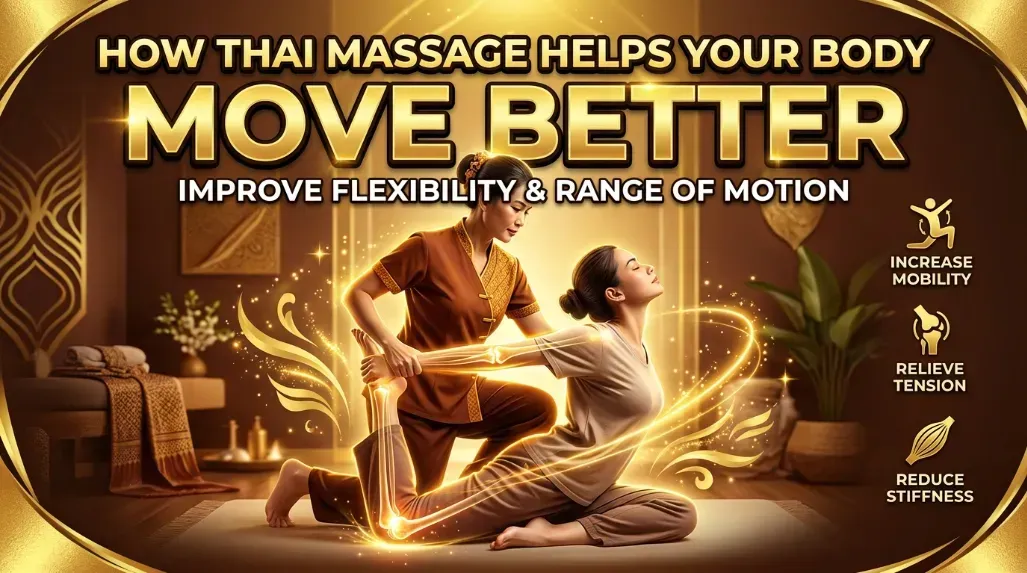
Unlike oil-based massages where you remain passive, Thai massage involves active-passive movement. The therapist moves your limbs through their full range of motion. This helps to lubricate the joints with synovial fluid, reducing the risk of arthritis and improving overall mobility. For athletes or those with desk jobs, this "yoga-like" manipulation is essential for maintaining functional movement.
2. Myofascial Release
Fascia is the connective tissue that wraps around every muscle and organ. Stress and inactivity cause the fascia to become "sticky" or restricted. The compression techniques used in Thai massage act as a form of myofascial release, breaking up adhesions and allowing the muscles to glide smoothly again.
3. Improved Circulation and Lymphatic Drainage
The "palm-pressing" and "thumbing" techniques used along the Sen lines stimulate blood flow. More importantly, the compressions help move lymph fluid through the body. The lymphatic system is the body’s waste disposal unit; by stimulating it, Thai massage helps detoxify the body and boost the immune system.
4. Chronic Pain Management
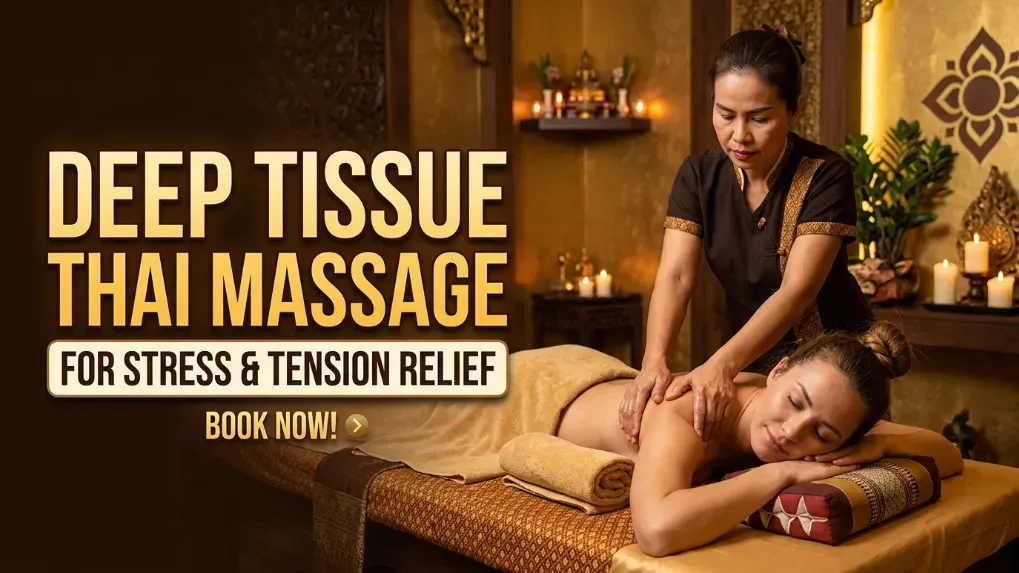
Research has shown that traditional Thai massage can be as effective as pharmaceutical interventions for chronic pain conditions like tension headaches and lower back pain. By addressing the root cause—often a combination of postural misalignment and energy stagnation—the relief is more sustainable than a temporary fix.
The Mental and Emotional Shift: Finding Stillness in Motion
While the physical stretches can be intense, the overall effect of a Thai massage session is one of deep, meditative calm. This is achieved through the rhythmic nature of the movements, which mirrors the cadence of a slow breath.
In Western terms, this shifts the body from the "Sympathetic Nervous System" (fight or flight) to the "Parasympathetic Nervous System" (rest and digest). When you are in a parasympathetic state, your body can finally begin the work of cellular repair. This is why many clients at My Thai Massage report better sleep patterns and reduced anxiety after just one session.
Furthermore, the physical release of tension often leads to an emotional release. In Thai medicine, it is understood that we "store" emotions in our tissues. The deep hip openers and chest expansions found in a traditional session can help unlock these stored traumas, providing a sense of lightness that is hard to achieve through talk therapy alone.
What to Expect During Your First Traditional Thai Massage
If you have never experienced this modality, it is helpful to know that it differs significantly from a "spa" massage. Here is the blueprint of a session at My Thai Massage:
- The Attire: You do not disrobe. You are provided with loose-fitting, comfortable cotton clothing that allows for a full range of movement.
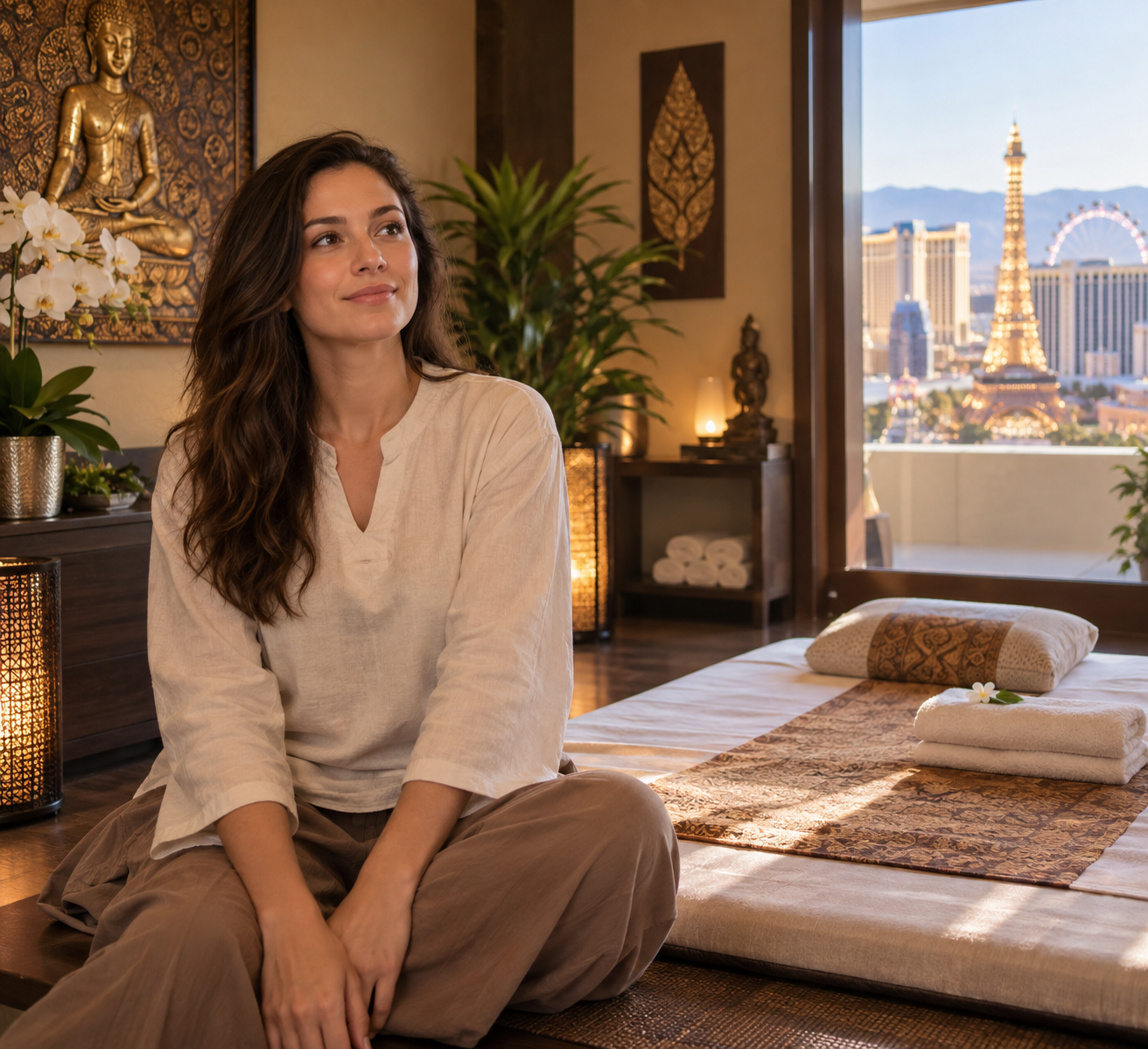
- The Mat: The massage takes place on a firm, cushioned mat on the floor. This allows the therapist to use their body weight and leverage to perform stretches that would be impossible on a raised table.
- The Technique: No oils are used. The therapist uses a combination of rhythmic pressing, pulling, and rocking. You might find yourself in a "Cobra" pose or a "Spinal Twist" while the therapist supports your weight.
- The Communication: Because everyone’s flexibility is different, communication is key. Our therapists are trained to read your body’s resistance, ensuring the stretch is deep but never painful.
Ready to experience the difference? You can Book Now to begin your journey toward whole-body healing.
Why "My Thai Massage" is the Industry Leader
In a world where "Thai-style" massage is often diluted, My Thai Massage remains committed to the authentic tradition. We don't just see it as a job; we see it as a healing ministry. Our practitioners are trained in the nuances of Sen line theory and the anatomical precision required to perform deep stretches safely.
We believe that traditional Thai massage is a partnership. We work with you to identify postural habits that contribute to your pain and use our sessions to "reset" your body’s blueprint. This dedication to authenticity and results is why we are the preferred choice for those seeking genuine therapeutic outcomes.
The Holistic Synergy: Thai Massage and Modern Wellness
Traditional Thai massage doesn’t exist in a vacuum. It is the perfect complement to other wellness practices. If you practice yoga, Thai massage acts as a "deepening" session. If you lift weights, it provides the necessary recovery to prevent injury. If you suffer from high stress, it provides the neurological reset needed to maintain mental health.
By viewing the body as an integrated system—where the toe is connected to the head and the breath is connected to the mind—Thai massage offers a level of healing that is truly "whole-body." It reminds us that we are not just a collection of parts, but a flow of energy and life.
Conclusion: A Path to Vitality
The journey to health is rarely found in a single pill or a quick fix. It is found in the consistent care of our physical and energetic selves. Traditional Thai massage offers a time-tested roadmap for this care. It challenges the body to find new limits of flexibility while inviting the mind to find new depths of peace.
Whether you are dealing with chronic pain, recovering from an injury, or simply feeling the "heavy" weight of daily life, the healing touch of Nuad Boran can provide the relief you need. We invite you to explore the services on Our Homepage and discover why this ancient art remains the gold standard for holistic healing.
Frequently Asked Questions
What is traditional Thai massage?
Traditional Thai massage is a therapeutic healing system that combines acupressure, Indian Ayurvedic principles, and assisted yoga postures. Unlike Western massage, it is performed on a floor mat with the client fully clothed, focusing on clearing energy blockages along the "Sen" lines to promote whole-body healing and flexibility.
Does Thai massage hurt?
While traditional Thai massage involves deep pressure and intensive stretching, it should not be painful. A skilled therapist at My Thai Massage adjusts the intensity based on your individual flexibility and pain tolerance. The goal is "productive tension," where the body releases stress without triggering a pain response.
How often should I get a Thai massage for healing?
For general maintenance and stress relief, once or twice a month is recommended. However, if you are addressing chronic pain or severe stiffness, a weekly session for the first month can help "reset" the body’s musculoskeletal patterns more effectively before moving to a maintenance schedule.
What should I wear to my Thai massage session?
You should wear loose, comfortable clothing that allows for a full range of motion. Most studios, including My Thai Massage, provide traditional cotton scrubs for you to change into. Avoid tight athletic gear or restrictive fabrics, as the therapist will be moving your limbs into various yoga-like poses.
Is Thai massage better than Swedish massage?
Neither is "better," but they serve different purposes. Swedish massage is ideal for surface-level relaxation and skin stimulation using oil. Traditional Thai massage is superior for improving flexibility, joint mobility, and addressing deep-seated energetic blockages through a more active, whole-body approach.