The Architecture of Relief: Why Thai Massage with a Dedicated Therapist is the Ultimate Biological Reset
Your hamstrings are screaming. Your lower back feels like it’s being compressed by an invisible hydraulic press. Every morning, you roll out of bed and wait for the inevitable creaks and pops to signal that your body is, at least tentatively, online. This isn’t just a side effect of aging. It is the physical manifestation of biological stagnation. Standard massage techniques often focus on the superficial—rubbing the skin and the top layer of muscle until you feel a temporary sense of ease. But true renewal requires more than a gentle touch. It requires a fundamental structural intervention.
Thai massage stands apart from every other form of bodywork. It is often described as "lazy man’s yoga," but that label fails to capture the intricate physiological dialogue happening between the practitioner and the client. At Our Homepage, we treat the human body as a living, breathing architectural feat that occasionally needs a complete seismic retrofitting. When you engage in Thai massage, you aren't just a passive recipient of a service. You are an active participant in a process that stretches, compresses, and realigns your entire musculoskeletal system.

The Physiological Shift: Moving Beyond Surface-Level Relaxation
Most people seek out massage therapy because they want to "relax." While relaxation is a noble goal, it is often a fleeting one. If your hip flexors are chronically shortened from sitting at a desk, a relaxing Swedish massage won't fix the underlying postural distortion. You’ll feel good for an hour, then return to the same painful patterns. Thai massage operates on a different frequency. It targets the fascia—the connective tissue that wraps around every muscle and organ in your body.
Think of your fascia like a sweater. If you pull a thread at the bottom, the collar tightens. Your body works the same way. A knot in your calf can manifest as pain in your lower back. A dedicated Thai therapist understands this connectivity. They use their hands, elbows, knees, and feet to apply rhythmic pressure along specific lines of the body, known as Sen lines. While these lines have their roots in ancient energetic theory, modern science recognizes them as pathways of myofascial continuity and neural signaling.
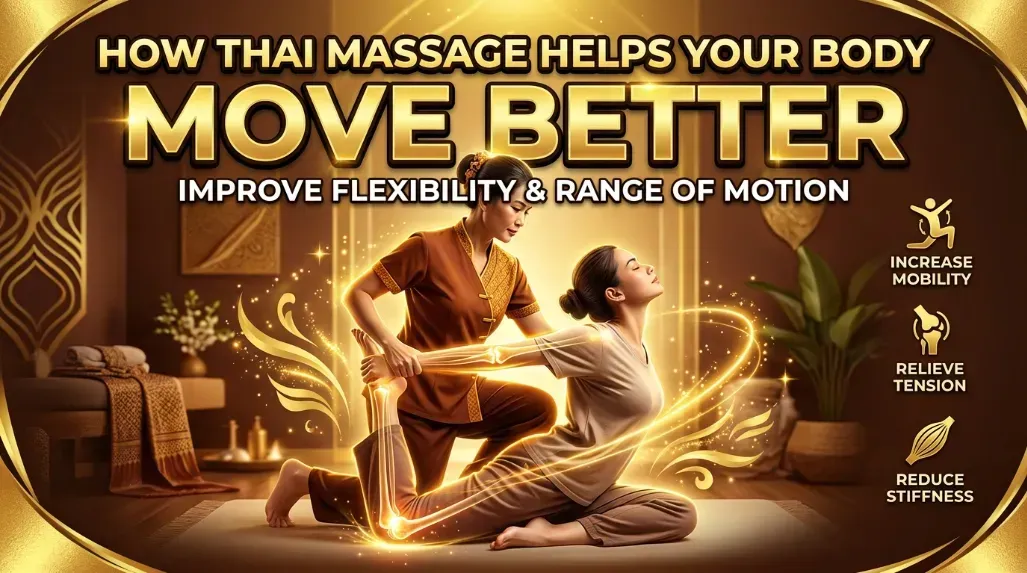
When you Book Now, you are committing to a session that prioritizes functional movement. The therapist moves your body into yoga-like positions, facilitating a level of stretching that is nearly impossible to achieve on your own. This passive stretching triggers the Golgi tendon organ reflex, allowing your muscles to reach a deeper state of elongation without the risk of injury. It is a recalibration of your nervous system.
The Anatomy of a Thai Massage Session
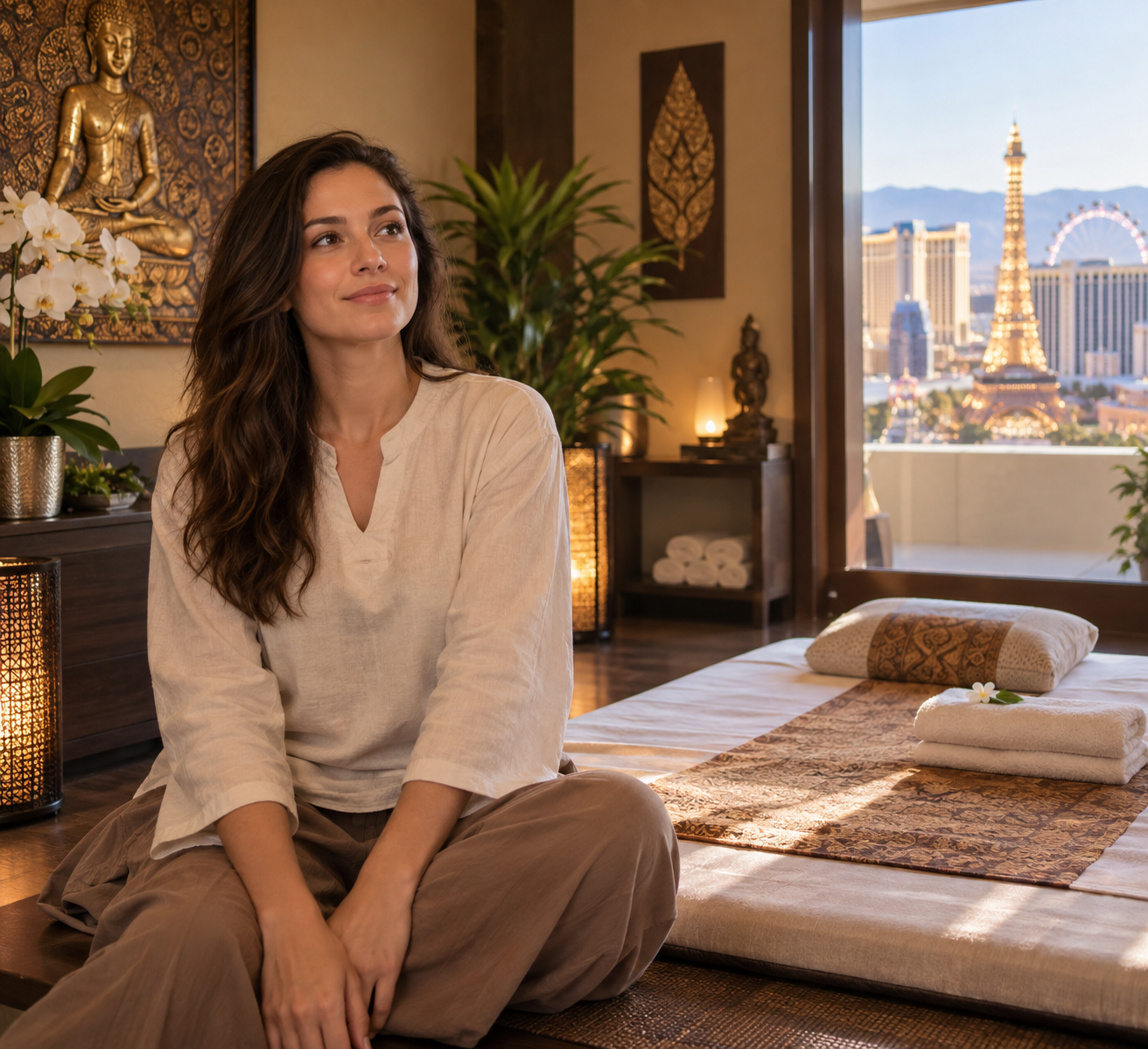
Forget the table. Forget the oil. Traditional Thai massage happens on a firm mat on the floor. This isn't for aesthetic reasons; it’s a matter of physics. The floor provides the necessary resistance for the therapist to use their body weight effectively. It allows for a three-dimensional range of motion that a narrow massage table simply cannot accommodate. You remain fully clothed in loose, comfortable attire, which removes the vulnerability some feel in traditional clinical settings and allows for more aggressive, effective movement.
The session typically begins at the feet. In Thai tradition, the feet are the gateway to the rest of the body. By opening the peripheral circulation in the lower extremities, the therapist prepares the heart and lungs for the increased blood flow that follows. The pressure is rhythmic. It matches your breath. This synchronization is vital. It shifts your brain from the sympathetic nervous system (fight or flight) to the parasympathetic nervous system (rest and digest). You aren't just getting your muscles rubbed; you are coaching your brain to stop perceiving stress as a constant threat.
The Four Essential Positions
A comprehensive Thai massage session moves through four primary positions: supine (on your back), side-lying, prone (on your stomach), and seated. Each position offers unique access to different muscle groups. In the supine position, the focus is often on the legs and hips, opening the pelvic bowl and releasing the psoas—a muscle deeply tied to emotional stress and lower back stability. The side-lying position is a godsend for pregnant women or those with acute spinal sensitivity, allowing for deep work on the glutes and lats without putting pressure on the abdomen.
The prone position allows the therapist to use their knees or feet to walk along the thick muscles of the back and thighs. This isn't "walking on your back" as a gimmick; it is a controlled application of broad pressure that flattens out bundled muscle fibers. Finally, the seated position involves spinal twists and shoulder openers that leave you feeling inches taller. You leave the mat feeling light, yet grounded. It is a paradoxical sensation of being both energized and deeply calm.
Why a Dedicated Therapist Makes the Difference
You can find "Thai massage" on the menu of many corporate spas, but there is a massive gulf between a technician who took a weekend course and a dedicated Thai massage practitioner. At My Thai Massage, our therapists view this as a craft, not a job. A dedicated therapist learns the unique "language" of your body. They recognize how your left shoulder carries more tension than your right. They remember the specific injury you sustained five years ago and how it has shifted your gait.
This continuity of care is where the real transformation happens. Over multiple sessions, the therapist can peel back the layers of chronic tension. The first session might just break the surface tension. The third session begins to address the deep-seated adhesions in the hip joints. By the fifth session, you aren't just fixing pain; you are optimizing performance. You are moving with a fluidity you haven't felt since childhood. This is the result of a therapeutic partnership.
Thai Massage and Chronic Pain Management
If you suffer from chronic pain, you've likely tried everything. Anti-inflammatories provide temporary relief but wreck your stomach. Physical therapy is essential but can sometimes feel clinical and detached. Thai massage bridges the gap. It is a highly effective tool for managing conditions like sciatica, tension headaches, and fibromyalgia. By increasing the circulation of synovial fluid in the joints, it reduces the friction that causes "creaky" knees and stiff necks.
Moreover, the compression techniques used in Thai massage act as a manual pump for the lymphatic system. Unlike the circulatory system, which has the heart to pump blood, the lymphatic system relies on muscle movement to flush out toxins and metabolic waste. If you are sedentary or stuck in a cycle of pain, your lymph becomes sluggish. Thai massage forces that fluid to move, boosting your immune system and reducing systemic inflammation. It is a biological housecleaning.
The Psychological Impact: Mental Clarity Through Physical Release
We often treat the mind and body as separate entities, but they are inextricably linked. When your body is in a state of constant tension, your brain receives a non-stop signal that something is wrong. This creates a feedback loop of anxiety. By physically breaking the tension in the body, Thai massage interrupts this signal. It is common for clients to experience an emotional release during a session. This isn't "woo-woo" science; it's the result of releasing stored neuropeptides in the fascia.
The meditative quality of the work is also significant. Because the therapist is moving your body for you, you are forced to let go of control. In our hyper-managed lives, this surrender is incredibly therapeutic. You aren't checking your phone. You aren't worrying about your inbox. You are simply existing in your body, feeling the sensation of your muscles being lengthened and your joints being opened. This mental reset is just as valuable as the physical one.
Integrating Thai Massage into a Modern Lifestyle
How often should you get a Thai massage? If you are dealing with acute pain or high levels of stress, a weekly session for the first month can work wonders. Once you’ve reached a baseline of mobility, a bi-weekly or monthly maintenance session is usually sufficient to keep the "rust" from settling back in. It is an investment in your long-term health. Think of it like changing the oil in your car. You can wait until the engine seizes, or you can do the preventative work now.
At My Thai Massage, we don't believe in a one-size-fits-all approach. Every body is different. Every day is different. Some days you might need deep, intense pressure to work out a specific knot. Other days, you might need a more rhythmic, flowing session to calm a frazzled mind. A dedicated therapist listens to what your body is saying that day and adjusts the treatment accordingly. This level of customization is what makes us the leaders in the field.
The Science of the Stretch: Thai Massage vs. Traditional Therapy
In the world of massage therapy, there are many modalities to choose from. Deep tissue is excellent for localized knots. Sports massage is great for pre-event activation. But Thai massage offers a comprehensive "full-body" integration that others lack. Research published in the Journal of Bodywork and Movement Therapies has shown that Thai massage can significantly reduce back pain and improve upper-body flexibility more effectively than standard stretching exercises alone.
The secret lies in the multi-planar movements. Life doesn't happen in a straight line, and neither should your massage. Thai massage incorporates rotation, lateral flexion, and extension. This targets the muscles from angles they rarely experience in daily life. It "wakes up" dormant muscle groups and forces the brain to map those areas more accurately. This improved "proprioception" (your body's awareness of itself in space) leads to better balance and a lower risk of falls and injuries.
Your Journey to Renewal Starts Here
You don't have to live with a body that feels like a prison. You don't have to accept "stiff and sore" as your permanent state of being. There is a path from tension to total renewal, and it begins on the mat. By choosing a dedicated therapist who understands the nuances of Thai massage, you are giving yourself the gift of functional freedom. You are choosing to prioritize your biology over your busyness.
We invite you to experience the difference for yourself. Whether you are an athlete looking to improve your PR, a professional struggling with the physical toll of office work, or someone simply looking for a deeper sense of peace, Thai massage has something to offer. It is the oldest form of physical therapy for a reason: it works. It targets the root causes of discomfort and provides a roadmap for lasting health.
Stop settling for temporary fixes. Stop masking the pain with pills. Embrace the power of the stretch. Experience the rhythmic pressure that has healed bodies for over 2,500 years. Your body is waiting for a reset. Give it the expert care it deserves at My Thai Massage. It's time to move better, feel better, and live better.
Frequently Asked Questions
How is Thai massage different from a regular massage?
Unlike traditional massage therapy that uses oils on a table, Thai massage is performed on a floor mat while you are fully clothed. It focuses on passive stretching, rhythmic compression, and joint mobilization. It is often described as "assisted yoga," targeting deep fascia and energy lines rather than just rubbing surface muscles.
What should I wear to my Thai massage session?
You should wear loose, comfortable clothing that allows for a full range of motion. Think gym clothes, yoga pants, or pajamas. Avoid restrictive fabrics like denim or skirts. Since the therapist will be moving your limbs into various positions, flexibility in your attire is necessary for a successful session.
Does Thai massage hurt?
Thai massage involves deep pressure and intense stretching, which can occasionally be "intense," but it should never be painful. A dedicated therapist at My Thai Massage will communicate with you throughout the session to ensure the pressure is within your comfort zone, providing a "good hurt" that leads to significant release.
How often should I get a Thai massage for best results?
For chronic pain or high stress, once a week is recommended initially. For general maintenance and flexibility, once or twice a month is ideal. Regular sessions allow the therapist to work through deeper layers of tension and provide cumulative benefits to your posture, circulation, and overall mobility.
Can I get a Thai massage if I am not flexible?
Absolutely. You don't need to be flexible to start; improving your flexibility is one of the primary goals of the practice. Your therapist will adapt the stretches to your current range of motion, gradually increasing the depth as your muscles and fascia begin to release over time.