Understanding Deep Tissue Massage and Finding Relief in Las Vegas
Living and working in the Las Vegas valley places specific physical demands on the human body. Hospitality professionals spend endless hours standing on hard casino floors. Convention attendees log miles walking the Strip. Local athletes push their limits in the intense Nevada heat. Over time, these daily stressors create rigid muscle tissue, joint stiffness, and chronic pain. Ignoring this physical accumulation only leads to worsening discomfort and restricted mobility.
At
My Thai Massage, our clinical approach to bodywork focuses on dismantling these areas of tension. We prioritize structural recovery over simple relaxation. By applying concentrated pressure to the innermost layers of muscle and fascia, we help the body recover from intense physical strain.
The Physiological Mechanics of Deep Pressure Therapy
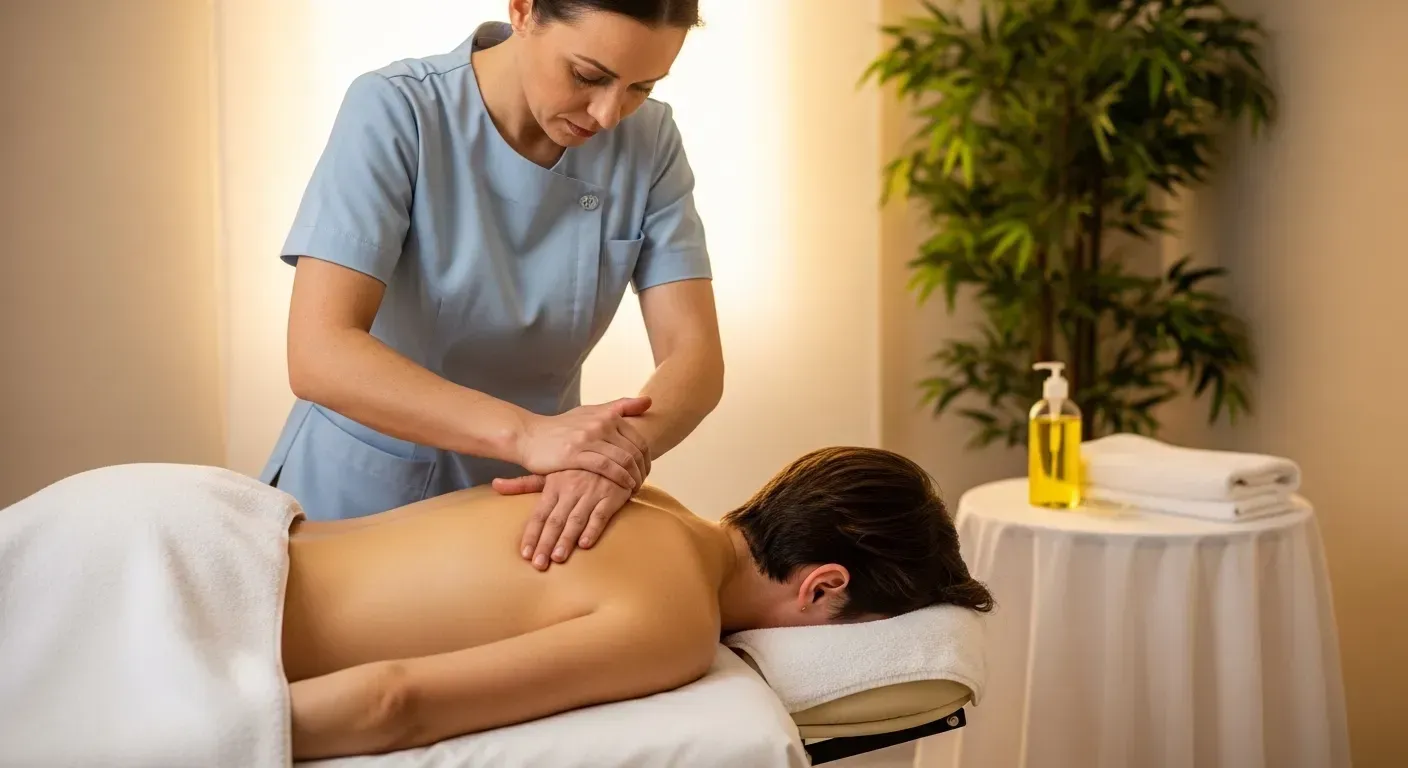
Muscles are built in layers. When you experience an injury, chronic poor posture, or repetitive motion strain, your body forms adhesions. These are rigid bands of tissue that block circulation, cause inflammation, and restrict normal movement.
Deep tissue work specifically targets these adhesions. Therapists use their hands, knuckles, forearms, and elbows to apply sustained pressure. This friction physically breaks down the dense scar tissue that binds muscles together. As the adhesions dissolve, fresh blood flows back into the localized area. This increased circulation flushes out trapped metabolic waste products, such as lactic acid, while delivering the vital oxygen and nutrients required for cellular repair.
Because the techniques require penetrating the superficial muscle layers, the pacing is significantly slower than lighter modalities. The therapist must allow the top layers of muscle to relax before sinking deeper into the tissue. Rushing this process causes the body to instinctively tense up and resist the treatment.
Choosing Premium Massage Services for Chronic Pain in Las Vegas
Searching for the right therapeutic intervention requires understanding your own bodily needs. When daily pain begins interfering with your quality of life, investing in professional massage services becomes a medical necessity rather than a luxury. Residents and visitors in Las Vegas often seek out our clinic to address specific musculoskeletal complaints that standard relaxation treatments cannot fix.
We offer several distinct therapeutic options designed to address varying levels of muscular distress:
- Targeted Pain Relief: For acute flare-ups in the lower back or neck, you can book a specialized therapeutic session designed to isolate and treat a single problem area comprehensively.
- Full-Body Recovery: If your physical exhaustion is systemic, opting for an advanced recovery treatment allows the therapist enough time to address all major muscle groups and fascial lines.
- Extended Muscular Rehabilitation: For those dealing with severe chronic stiffness or recovering from heavy athletic training, we highly recommend our comprehensive bodywork packages to fully release deep-rooted tension.
By selecting the appropriate duration and focus for your treatment, you give your therapist the necessary time to effect real structural change within your body.
Combining Deep Tissue Principles with Traditional Thai Bodywork
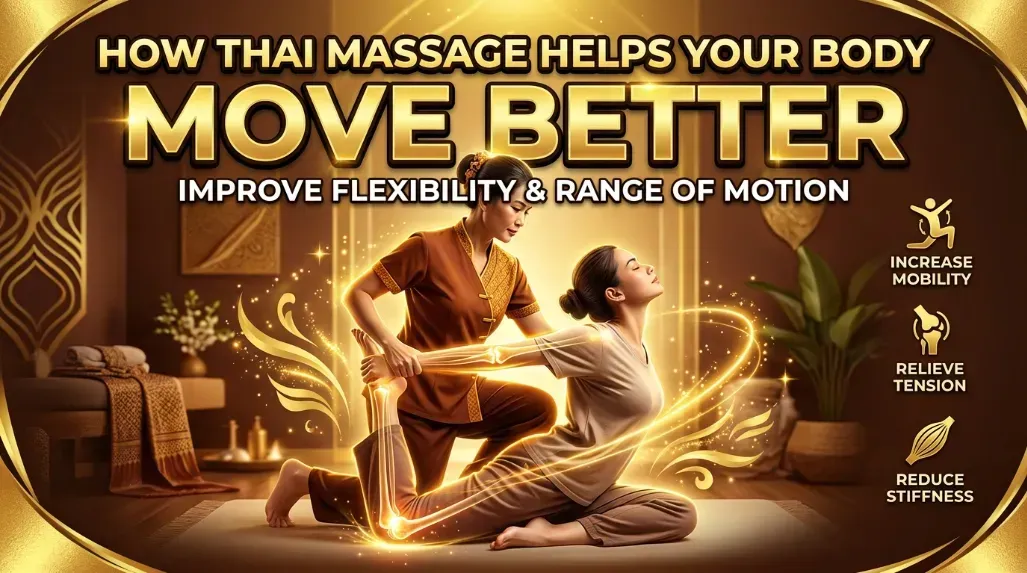
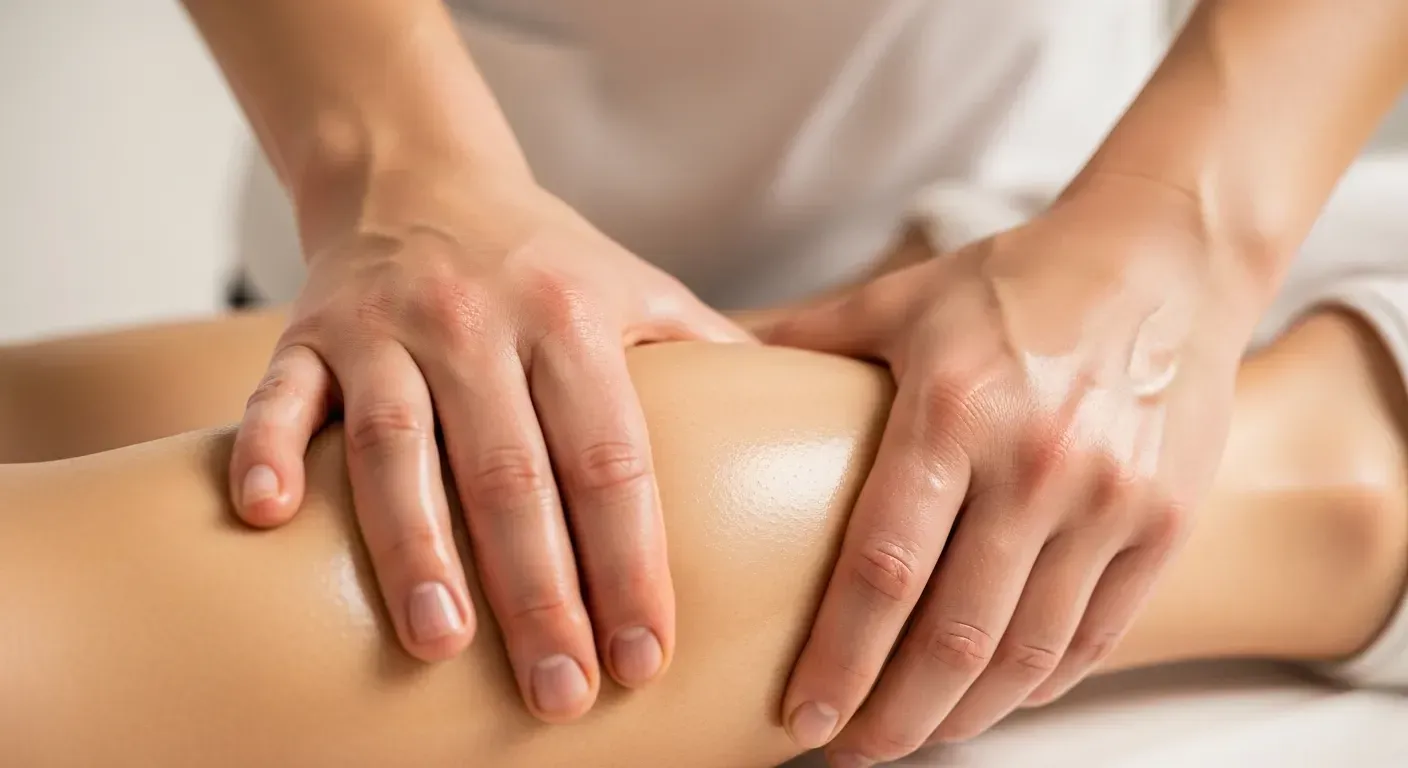
Many of our clients in Las Vegas wonder how traditional Thai techniques intersect with deep tissue therapy. While standard deep tissue massage relies on firm, gliding pressure and friction on a massage table, Thai massage incorporates assisted stretching and rhythmic compressions on a floor mat.
The most effective healing often occurs when these philosophies merge. Stripping the muscle through firm pressure loosens the tissue. Following that pressure with guided, yogic stretching lengthens the muscle fibers to their natural state. If you are curious about how these stretching mechanics improve overall flexibility, you can read our detailed breakdown on the science of stretch and heal Thai massage therapy. Combining deep myofascial release with structural stretching provides a far more permanent solution to chronic pain than either modality can offer alone.
Preparing for Your Treatment in the Nevada Desert
Maximizing the benefits of your therapy session requires a bit of preparation. The dry climate of Las Vegas constantly pulls moisture from your body. Dehydrated muscles are less pliable and more resistant to bodywork. Drinking a significant amount of water in the twenty-four hours leading up to your appointment will make the tissue more receptive to deep pressure.
Communication during your session is equally important. Deep tissue work should "hurt good" but never cross the line into agonizing pain. If the pressure causes you to hold your breath or clench your muscles, the treatment loses its effectiveness. Always inform your therapist if the pressure feels too intense. They can adjust their technique to match your specific pain tolerance.
Following your session, you will likely experience mild soreness. This is a normal physiological response similar to the feeling after a strenuous workout. Continuing to hydrate will flush out the released metabolic waste. Taking a warm Epsom salt bath that evening can further reduce localized inflammation and soothe the treated muscles.
For personalized advice on preparing for a specific physical complaint, we encourage you to reach out to our clinic directly. Our therapists are trained to evaluate your symptoms and recommend the most effective treatment protocol.
Frequently Asked Questions
Does deep tissue massage cause bruising or severe pain?
While the pressure is intense, it should never cause excruciating pain or severe bruising. You might feel a highly productive, targeted discomfort as tight knots are released. Minor soreness the following day is completely normal, but distinct bruising indicates that the pressure applied was too aggressive for your specific tissue type. Always communicate your comfort levels with your therapist during the session.
How often should I schedule these massage services for optimal results?
The frequency depends entirely on your specific physical condition and lifestyle. Individuals recovering from a specific injury or dealing with severe chronic pain may benefit from weekly sessions to break the pain cycle. Once the initial stiffness is resolved, transitioning to a maintenance schedule of one session every three to four weeks is usually sufficient to keep the muscles healthy and prevent the return of restrictive adhesions.
What is the primary difference between deep tissue and Swedish massage?
Swedish massage utilizes light to medium pressure with long, sweeping strokes designed primarily to relax the superficial muscles and calm the nervous system. Deep tissue therapy is a clinical treatment that uses firm, concentrated pressure to reach the deeper layers of muscle and the surrounding connective tissue. If your goal is stress relief and relaxation, Swedish is ideal. If you need targeted relief for chronic stiffness, reduced mobility, or athletic recovery, deep tissue is the correct choice.