The Science of Stretch and Heal: Thai Massage Therapy in Las Vegas for Long-Term Pain Relief
Understanding the biomechanics of traditional Thai bodywork requires examining its dual approach to muscular tension and joint stiffness. For adults managing chronic discomfort, traditional relaxation techniques often fail to address the root causes of musculoskeletal pain. The physical demands of modern life dictate a more active, structurally focused form of physical maintenance. My Thai Massage Las Vegas provides exactly this type of intervention through guided movement, rhythmic compression, and deep tissue manipulation.
The Mechanics Behind Thai Massage Services
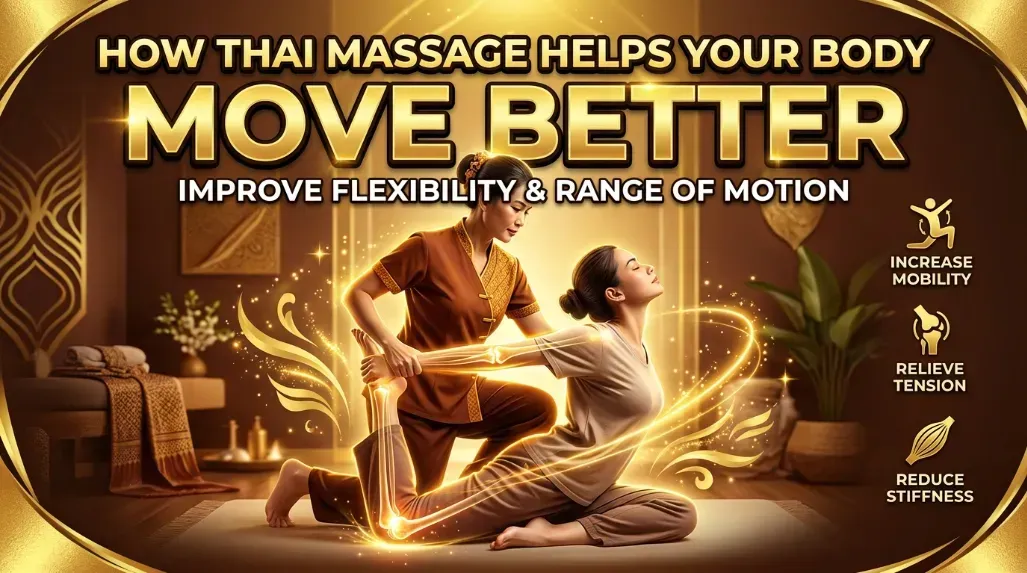
When evaluating different modalities for pain management, it helps to understand the clinical mechanisms at play. Traditional Thai massage does not rely on passive gliding strokes over bare skin. Instead, it is an active, fully clothed therapeutic system that integrates acupressure, joint mobilization, and assisted stretching.
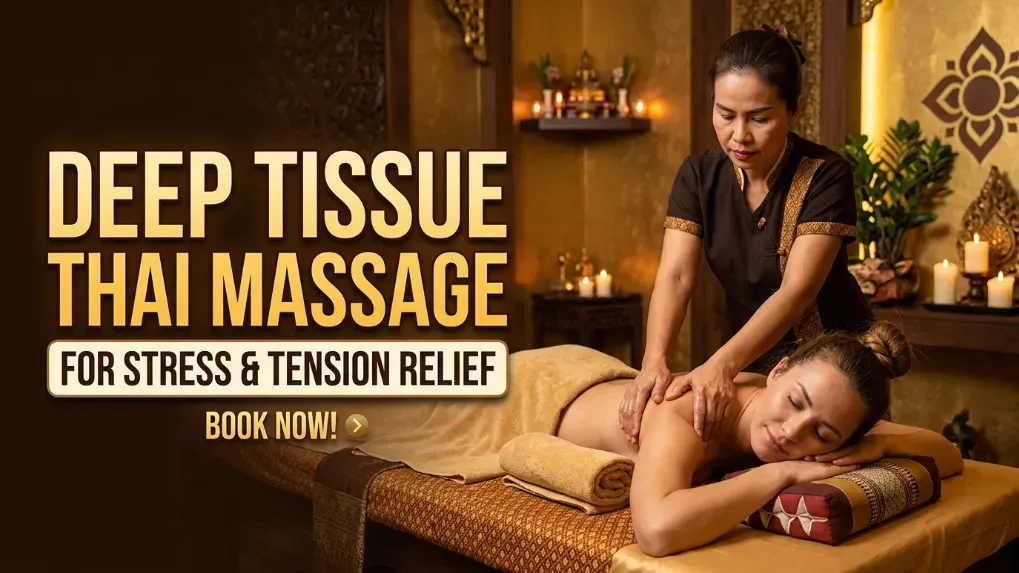
When you book professional Thai massage services, you are participating in a functional movement therapy. The practitioner uses their hands, elbows, knees, and feet to apply precise pressure along specific pathways known in Eastern medicine as "Sen" lines. Modern anatomy parallels these pathways with the body's myofascial meridians. By applying sustained pressure along these fascial networks, the therapist releases localized blockages, stimulates blood flow, and encourages the nervous system to shift from a sympathetic state of stress to a parasympathetic state of recovery.
Muscle Fascia and Assisted Stretching
Fascia is the connective tissue encasing every muscle, bone, and nerve in the human body. Dehydration, repetitive movement, and prolonged sitting cause this tissue to bind and restrict movement. Assisted stretching targets these exact restrictions. By guiding the client through a series of modified yoga postures, the therapist elongates contracted muscle fibers and breaks down fascial adhesions. This controlled elongation creates space within the joint capsule, allowing synovial fluid to lubricate stiff joints and improve overall mobility.
Evaluating Therapy Options: A Clinical Comparison
Selecting the correct form of physical therapy depends heavily on your specific goals, pain levels, and physical condition. The table below outlines how traditional Thai bodywork compares to other popular Western massage modalities.
| Therapy Type | Primary Technique | Focus Area | Ideal Candidate |
|---|---|---|---|
| Traditional Thai | Assisted stretching and acupressure | Full-body mobility and deep fascial release | Adults seeking flexibility and long-term pain relief |
| Swedish Massage | Gliding strokes and mild kneading | Superficial muscle layers and circulation | Individuals needing pure mental relaxation |
| Deep Tissue | Intense, targeted friction | Deep muscle bellies and localized connective tissue | Those with isolated muscle knots or scar tissue |
| Sports Massage | Focused active stretching and compression | Injury prevention and localized muscle recovery | Professional athletes and heavy gym-goers |
Long-Term Pain Relief Strategies for Active Adults
Treating chronic pain requires more than temporary symptom management. Conditions such as sciatica, frozen shoulder, and tension headaches stem from long-term postural imbalances. Thai massage treats the body as an interconnected system rather than isolating a single point of pain.
For example, a client experiencing tension headaches might receive extensive work on their chest, shoulders, and upper back. Forward head posture, common among office workers, severely tightens the pectoral muscles. This tightness pulls the shoulders forward and strains the muscles at the base of the skull. By opening the chest through assisted stretching and releasing the shoulder stabilizers, Thai therapy removes the structural pull that causes the headache in the first place.
Consistent therapeutic sessions retrain the neuromuscular system. When the body becomes accustomed to a wider range of motion, it naturally adopts better posture. This functional improvement is why regular clients at My Thai Massage Las Vegas report significant reductions in daily joint pain and a decreased reliance on over-the-counter anti-inflammatory medications.
Tailored Healing for Diverse Adult Lifestyles
Different stages of life and daily routines require distinct therapeutic approaches. The flexibility of Thai bodywork allows practitioners to modify the intensity and focus of the session based on the client's immediate needs.
Corporate Professionals and Commuters
Adults between the ages of 30 and 55 often present with anterior pelvic tilt, a condition driven by excessive sitting. The therapist will focus heavily on releasing the psoas, quadriceps, and lower back. Opening these specific areas alleviates the localized pressure on the sciatic nerve and restores a neutral pelvic position.
Couples and Las Vegas Visitors
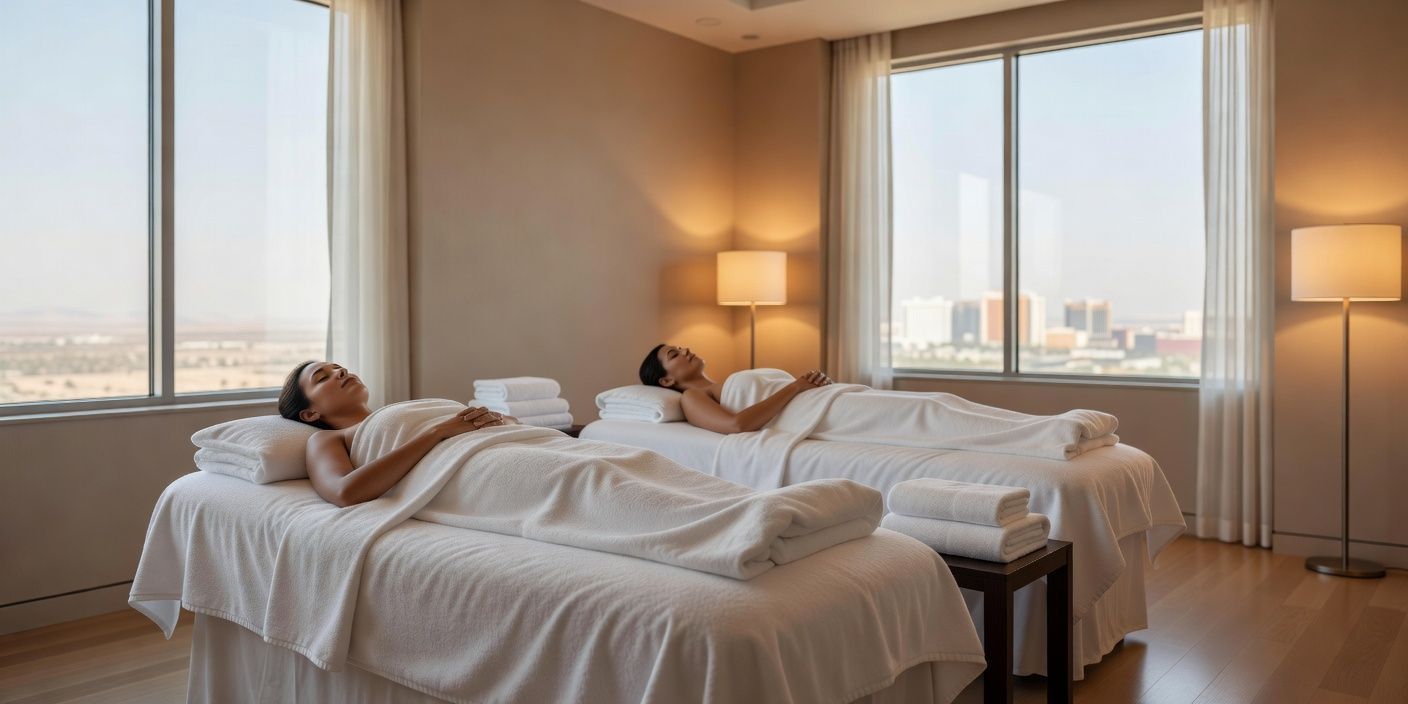
Wellness tourism is a primary reason people seek out massage therapy in Nevada. Couples traveling together often book parallel sessions to recover from the physical toll of travel. Deep rhythmic compressions help flush lactic acid from the legs after long days of walking, while the meditative pacing of the therapy provides profound mental relief from travel anxiety.
Mobility Restoration for Older Adults
For the 55 to 70 age group, pain management and mobility preservation become central health priorities. Arthritis and general joint degradation can make high-impact exercise painful. Thai massage offers a low-impact method for maintaining joint health. The practitioner uses gentle, modified stretches that do not force the body past its natural limits, focusing instead on improving blood circulation to the extremities and keeping the joints adequately lubricated.
What to Anticipate During Your Session at My Thai Massage Las Vegas
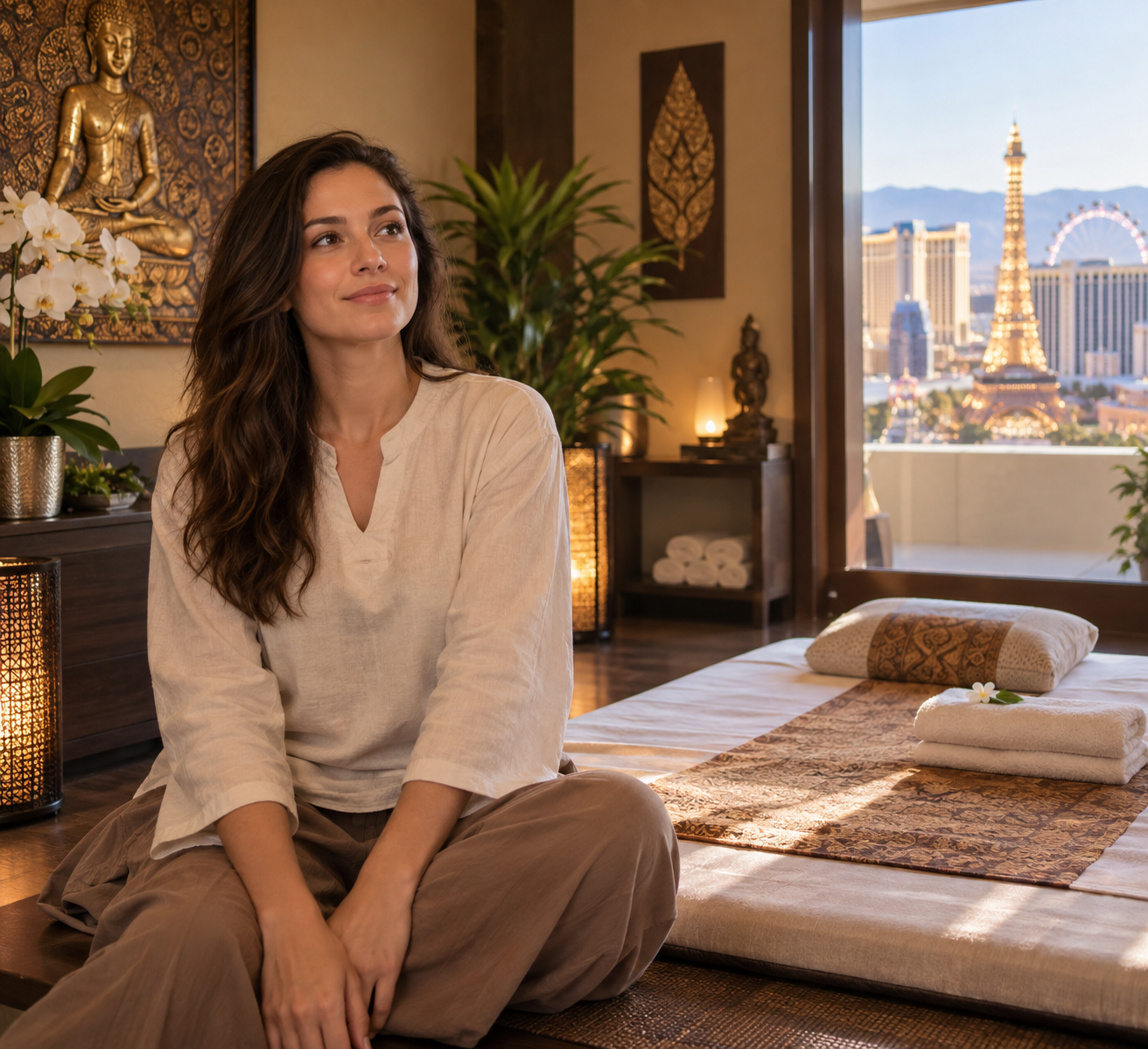
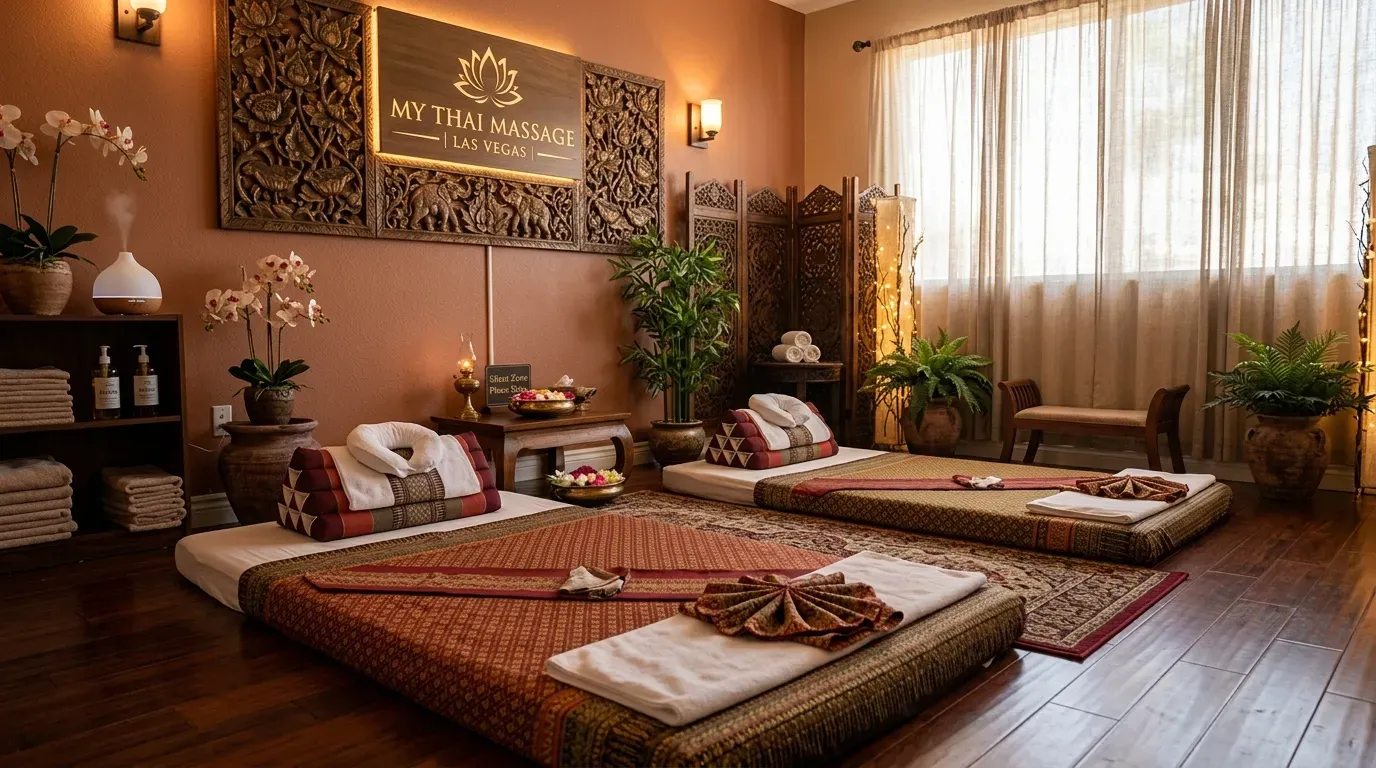
If you are accustomed to standard spa treatments, your first experience with traditional Thai bodywork will feel distinctly different. Sessions take place on a padded floor mat rather than an elevated table. This setup allows the therapist to leverage their body weight effectively and maneuver the client into various stretching positions safely.
Clients remain fully clothed throughout the appointment. You will be asked to wear loose, comfortable clothing that allows for a full range of motion. Oils and lotions are generally not used. The session begins with gentle rocking and rhythmic compressions along the legs and back to warm up the muscle tissue. As the body relaxes, the therapist will slowly integrate assisted stretching.
Communication is highly encouraged. A skilled practitioner will read your body's resistance, but providing feedback on pressure ensures the therapy remains effective without crossing into pain. The goal is to reach a therapeutic edge where the muscle stretches deeply but the nervous system remains entirely relaxed.
The immediate aftermath of a session often involves a feeling of lightness and increased physical space within the joints. Because the therapy stimulates deep circulation and lymphatic drainage, clients are strongly advised to drink plenty of water afterward to help flush metabolic waste from the muscles. Incorporating this ancient science into your routine provides a highly effective pathway to reclaiming your mobility, reducing daily stress, and maintaining a pain-free lifestyle in Las Vegas.
Frequently Asked Questions
How often should I receive Thai massage for chronic pain?
For acute, persistent pain or severe postural imbalances, scheduling a session once a week or bi-weekly is highly recommended to retrain the muscle tissue. Once your baseline mobility improves and the pain subsides, transitioning to a monthly maintenance schedule is usually sufficient to sustain the benefits.
Do I need to be flexible to benefit from this therapy?
You do not need any prior flexibility. The practitioner evaluates your current range of motion and customizes every stretch to match your physical limits. The primary goal of the session is to gradually improve your flexibility over time, making it highly suitable for individuals experiencing severe stiffness.
Is Thai massage appropriate for older adults with joint issues?
Yes, it is entirely adaptable for older adults. The therapist will modify the pressure and the extent of the stretches to accommodate arthritis, joint replacements, or general fragility. The focus for older adults shifts toward gentle joint mobilization, circulation improvement, and pain reduction rather than deep, intensive stretching.
Do I need to bring anything to my appointment?
No special equipment is required. Wear loose, comfortable clothing that allows for movement, as Thai massage is performed fully clothed. The studio provides mats and pillows for support.