Feel Better Instantly: The Science Behind a Perfect Massage Experience
The human body responds to touch through a complex network of receptors, neural pathways, and biochemical shifts. When you experience physical discomfort or mental fatigue, your nervous system remains in a heightened state of alert. Shifting from this sympathetic fight-or-flight response into a parasympathetic state of rest requires targeted physical intervention.
Residents and visitors in Las Vegas, NV face unique physical stressors. Between navigating massive convention centers, sitting through long flights, or recovering from high-energy events, the human body quickly accumulates severe tension. At My Thai Massage, the approach to relieving this physical stress relies on established physiological principles. Understanding how these therapies affect your muscles and nervous system can help you maximize the physiological benefits of your session.

The Biological Impact of a Professional Massage Therapist
A skilled massage therapist does much more than rub sore muscles. They engage directly with your central nervous system. When pressure is applied to the skin and underlying tissues, specialized nerve endings called mechanoreceptors send immediate signals to the brain. This communication triggers a powerful cascade of chemical reactions.
Cortisol, the primary stress hormone responsible for inflammation and anxiety, drops significantly during a session. Simultaneously, your brain increases the production of serotonin and dopamine. These neurotransmitters are directly responsible for mood regulation, cellular relaxation, and pain modulation. This measurable biochemical shift explains why you feel noticeably lighter and more mentally focused after leaving the clinic.
Blood circulation also improves dramatically under physical manipulation. Mechanical pressure pushes stagnant blood through congested areas. When the practitioner releases that pressure, fresh oxygenated blood floods the tissue. This flushing process clears out metabolic waste products like lactic acid and delivers essential nutrients to damaged muscle fibers, accelerating the cellular repair process.
Comparing the Science: Thai Massage vs. Deep Tissue Massage
Different therapeutic modalities target distinct anatomical structures. Two of the most effective methods for pain relief and functional mobility are Thai Massage and Deep Tissue Massage. Each utilizes different biological mechanisms to achieve specific results.
Thai Massage operates as a dynamic system of assisted stretching and structural alignment. This ancient practice focuses on energy lines and joint mobility. The practitioner uses their hands, knees, legs, and feet to move you into a series of carefully controlled stretches. This rhythmic compression and stretching greatly improve joint articulation and muscle elasticity. By working along specific fascial lines, this method releases tension trapped deep within the body's entire connective tissue network.
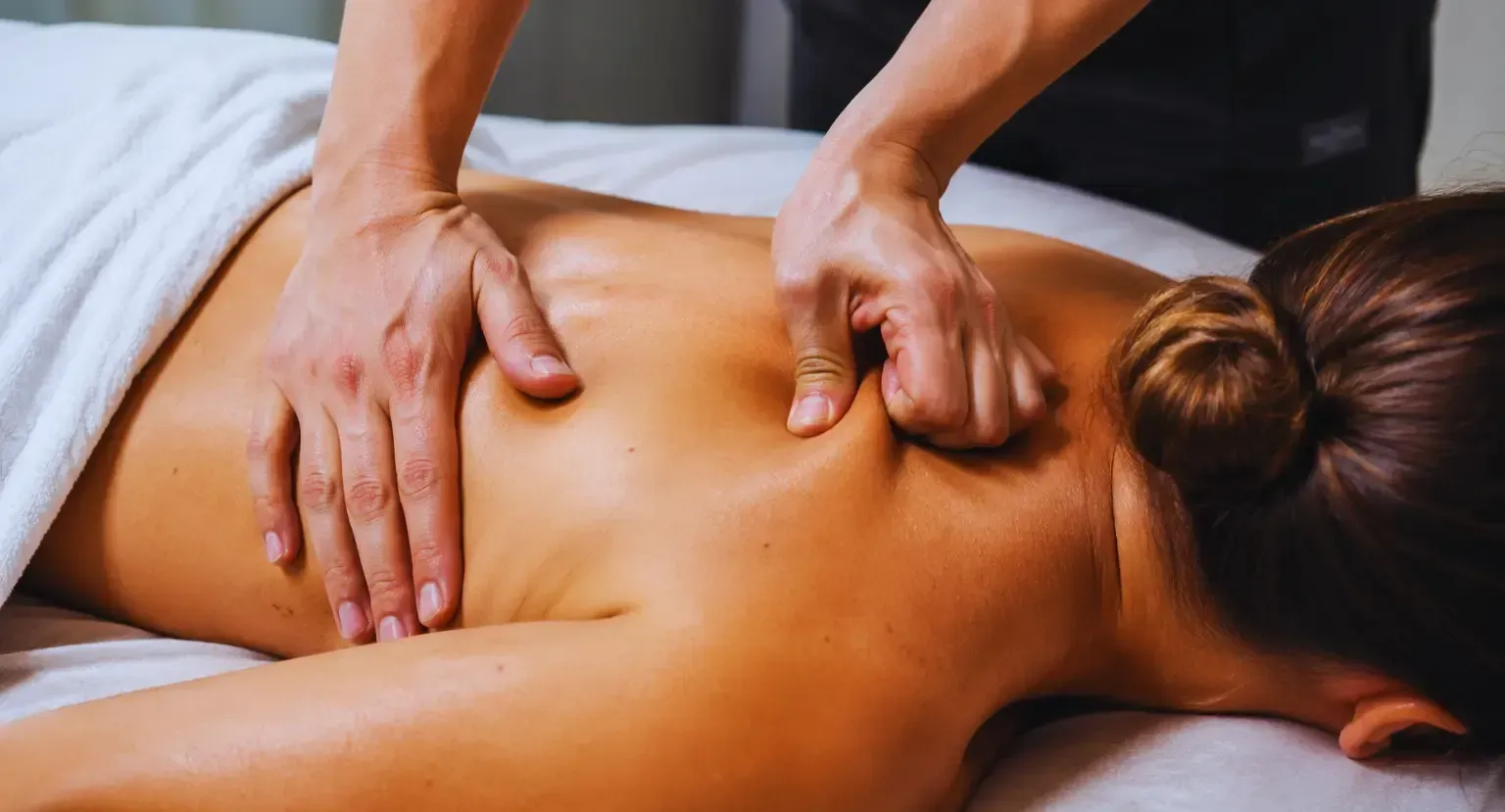
Deep Tissue Massage takes a distinctly localized approach to healing. It targets the inner layers of your muscles and connective tissues directly. Practitioners use slow strokes and firm, sustained pressure to reach underlying muscle fibers and fascia. This technique physically breaks down adhesions. Adhesions are bands of painful, rigid tissue that restrict movement and impede circulation. This specific modality is highly effective for treating chronic aches, stiff necks, upper back tension, and sore shoulders.
Here is a breakdown of how different techniques address specific physiological needs:
| Modality | Primary Physiological Target | Technique Characteristics | Ideal For | Pressure Level |
|---|---|---|---|---|
| Thai Massage | Fascial network, joint capsules | Rhythmic compression, assisted stretching | Mobility improvement, general stiffness | Medium to High |
| Deep Tissue Massage | Deep muscle fascia, scar tissue | Slow sustained strokes, friction | Chronic pain, postural restriction | High |
| Swedish Massage | Superficial muscles, nervous system | Long gliding strokes, kneading | Stress reduction, circulation boost | Light to Medium |
| Sports Massage | Tendons, ligaments, muscle belly | Target-specific trigger point therapy | Athletic recovery, injury prevention | Variable |
Why the Las Vegas Environment Demands Routine Bodywork
Living or traveling in Las Vegas, NV introduces specific environmental and lifestyle variables that directly impact your physical health. The extremely dry desert climate contributes to rapid microscopic dehydration. This lack of moisture directly affects muscle suppleness and fascial glide. When fascia lacks proper hydration, it becomes sticky and binds to surrounding structures, causing a feeling of generalized stiffness and restricted movement.
Additionally, the sheer architectural scale of the city requires extensive walking on hard, unforgiving surfaces. Whether you are commuting down the Strip or standing all day on concrete convention floors, the impact travels upward through your kinetic chain. This repetitive stress commonly manifests as plantar fasciitis, tight calves, and severe lower back compression.
Targeted bodywork directly counteracts these specific regional stressors. Mechanical manipulation restores optimal resting muscle length and rehydrates tissues by promoting fluid exchange at the cellular level.

Decoding the Mechanisms of Lasting Relief
A perfect session requires a precise combination of biomechanical knowledge and environmental control. The clinic space itself must actively support sensory down-regulation.
Sensory inputs play a vital role in muscular relaxation. Harsh lighting and loud noises keep the sympathetic nervous system engaged, creating subconscious muscle guarding. By meticulously controlling the ambient temperature, sound frequencies, and visual stimuli, the treatment room signals to your brain that it is safe to drop defensive posturing.
Once your neurological defenses lower, the physical work becomes exponentially more effective.
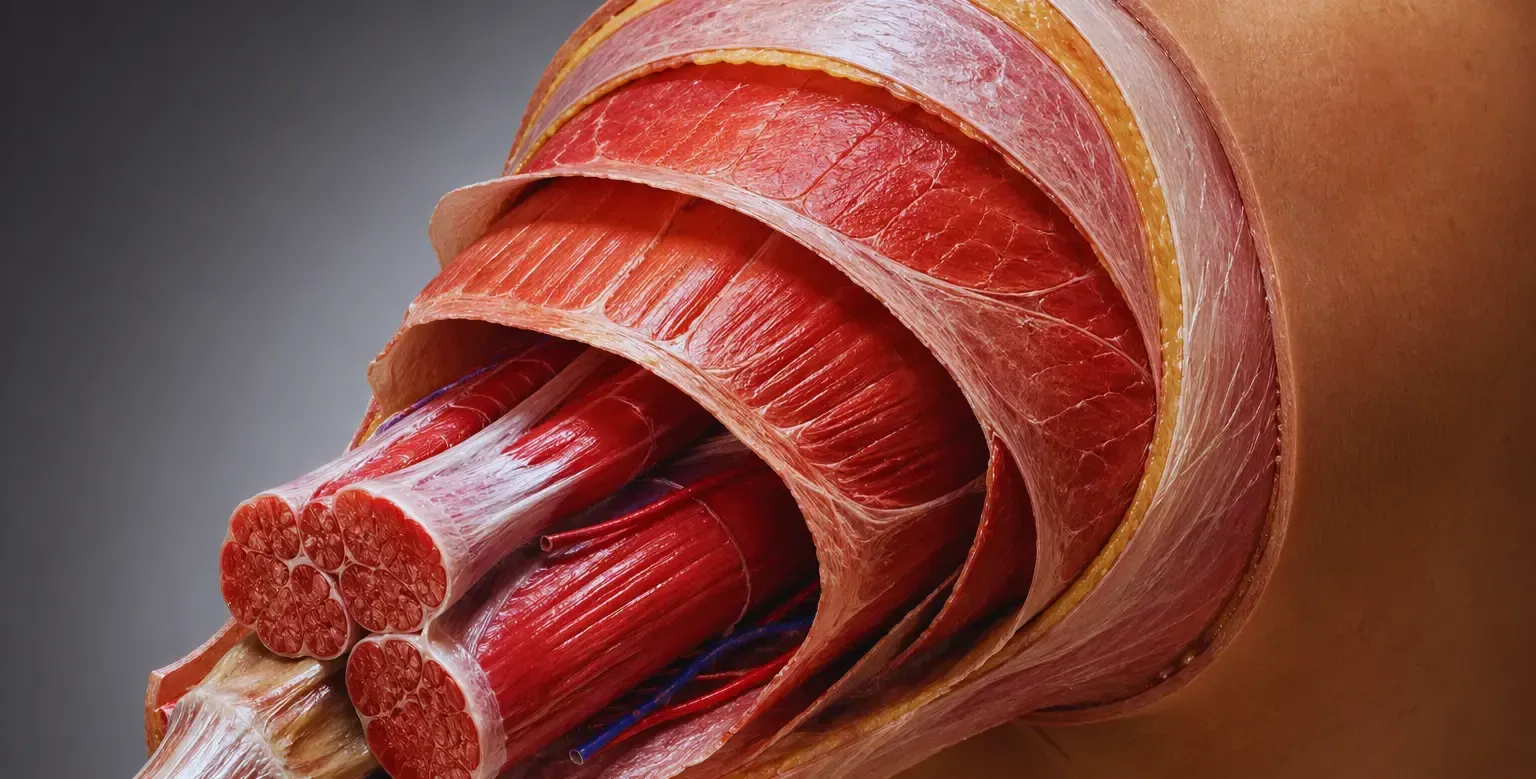
- Fascial Unwinding: Connective tissue surrounds every single muscle fiber. Gentle sustained pressure allows this web to melt and elongate, restoring structural balance and proper posture.
- Trigger Point Deactivation: Highly irritable nodules within tight bands of muscle tissue cause referred pain patterns. Sustained ischemic compression briefly cuts off localized blood flow to the nodule. The subsequent release forces fresh blood into the area, breaking the painful spasm cycle.
- Lymphatic Drainage: Regular muscle contractions typically pump lymphatic fluid through the body. When muscles remain tight, this vital system stalls. Manual manipulation physically pushes lymph fluid toward processing nodes, filtering toxins and reducing painful tissue inflammation.
The Role of Consistency in Muscular Health
Experiencing immediate physical relief after a single appointment is a common outcome. The true scientific value of bodywork reveals itself through consistent application. Your muscles possess a form of memory dictated entirely by your nervous system. If you spend forty hours a week hunched over a keyboard, your brain eventually accepts this shortened posture as the new normal.
Reprogramming this postural adaptation requires regular, focused intervention. A single session will absolutely loosen the restrictive tissues, but gravity and daily habits will inevitably pull your structure back into misalignment. By scheduling routine appointments, you continuously interrupt the cycle of tension. Over time, your nervous system actually learns to accept the relaxed, lengthened muscle state as the default baseline.
This specific concept is firmly rooted in neuroplasticity. The repetitive sensory input from professional touch physically alters neural pathways in the brain. Clients who commit to a structured wellness plan consistently report fewer tension headaches, better sleep architecture, and vastly improved range of motion during daily physical activities.
Furthermore, preemptive care prevents acute injuries. Tight muscles are inherently weak muscles because they cannot contract safely through their full functional range. When you suddenly demand explosive movement or attempt to lift a heavy object, these shortened fibers are highly susceptible to tearing. Maintaining optimal tissue elasticity through regular therapeutic work creates a powerful physical buffer against future strains and sprains.
Achieving this required physiological response always requires an expert physical assessment. A highly trained professional will seamlessly blend techniques to address your specific structural needs. They might begin with gentle warming strokes to encourage vasodilation, transition into deep friction to break down localized scar tissue, and finish with specific assisted stretches to reset the muscle spindles. This science-based methodology is a precise application of anatomy designed to restore your human function.
Frequently Asked Questions
How does a massage physically reduce my stress levels?
The physical manipulation of soft tissue actively stimulates parasympathetic nervous system activity. This targeted stimulation reliably lowers your resting heart rate, decreases your blood pressure, and significantly reduces the production of cortisol. At the exact same time, your brain releases endorphins and oxytocin, which naturally elevate your mood and promote a deep sense of biological calm.
What is the ideal frequency for therapeutic sessions?
The optimal schedule depends entirely on your daily lifestyle and physical goals. For acute pain management or injury recovery, weekly sessions are often necessary to break the pain cycle and encourage rapid tissue repair. For general structural maintenance and stress relief, a bi-weekly or monthly schedule provides excellent preventative benefits and helps maintain proper tissue elasticity.
Why might I feel sore the day after receiving deep bodywork?
Post-treatment soreness is a completely normal physiological response known as delayed onset muscle soreness. When a practitioner manipulates deeper layers of muscle, it can create microscopic tears in the tissue, similar to the biological effects of a strenuous workout. The flushing of metabolic waste from the muscle fibers also contributes to this temporary aching sensation, which typically subsides within twenty-four to forty-eight hours.