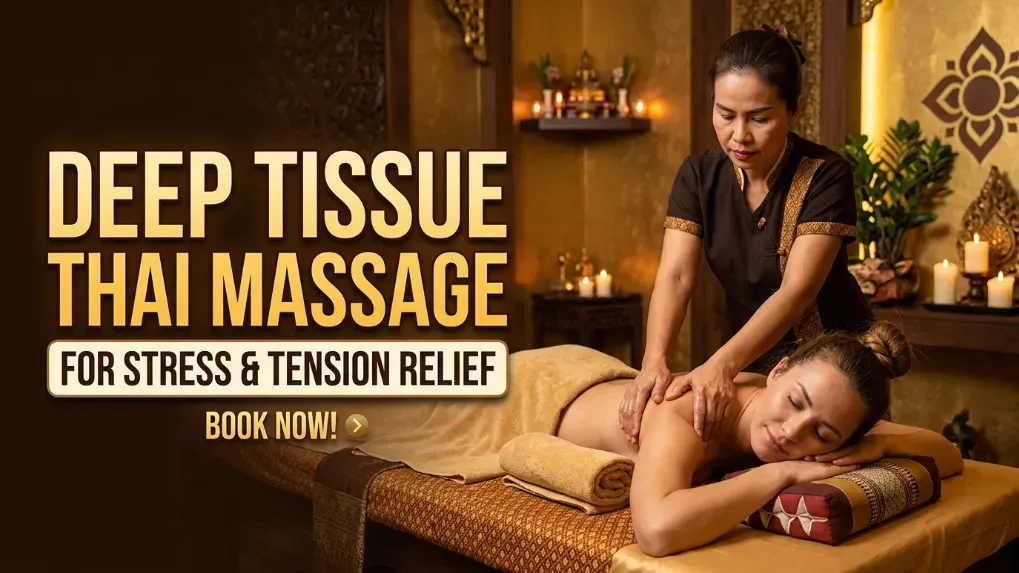
Thai Massage vs Swedish Massage: Understanding the Core Differences
Understanding the distinction between Thai and Swedish modalities is crucial for achieving your specific wellness and pain relief goals. While Swedish therapy focuses on smooth strokes for relaxation and stress reduction, traditional Thai bodywork utilizes deep stretching and acupressure to improve flexibility and release tight muscles. Selecting the appropriate technique ensures a highly effective, customized approach to your physical recovery.
- Thai bodywork is performed fully clothed on a floor mat, focusing on assisted stretching and deep compression.
- Swedish therapy utilizes soothing, oil-based strokes on a massage table to promote systemic circulation and relaxation.
- Both modalities can be combined or enhanced with additional spa services like hot stones, body scrubs, or specialized facials for a complete wellness experience.
Thai Massage vs Swedish Massage: Understanding the Core Differences
Selecting the appropriate massage therapy is a vital step in maintaining optimal physical and mental health. With countless modalities available to address muscle tension and fatigue, individuals often find themselves caught between two of the most prominent options. When evaluating a Thai massage vs Swedish massage, it is essential to understand how each approach targets the body, addresses discomfort, and promotes healing.
Both modalities offer distinct physical advantages, but they operate on completely different philosophical and biomechanical principles. Whether you need an intensive pain relief massage to recover from physical strain or a soothing relaxation massage to calm a busy mind, identifying the right technique will dictate the success of your treatment.
What is Thai Massage? Exploring Ancient Healing Techniques
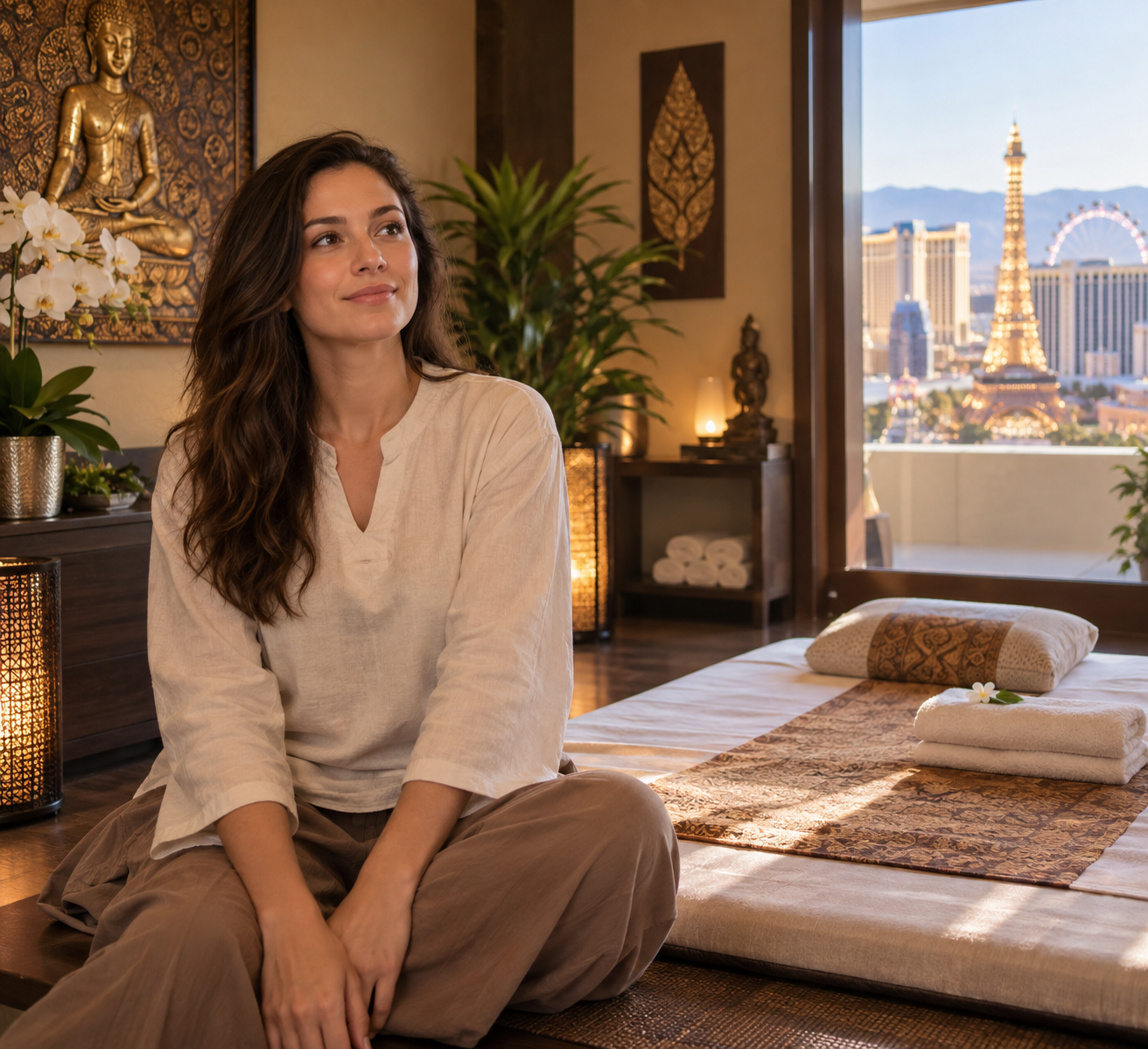
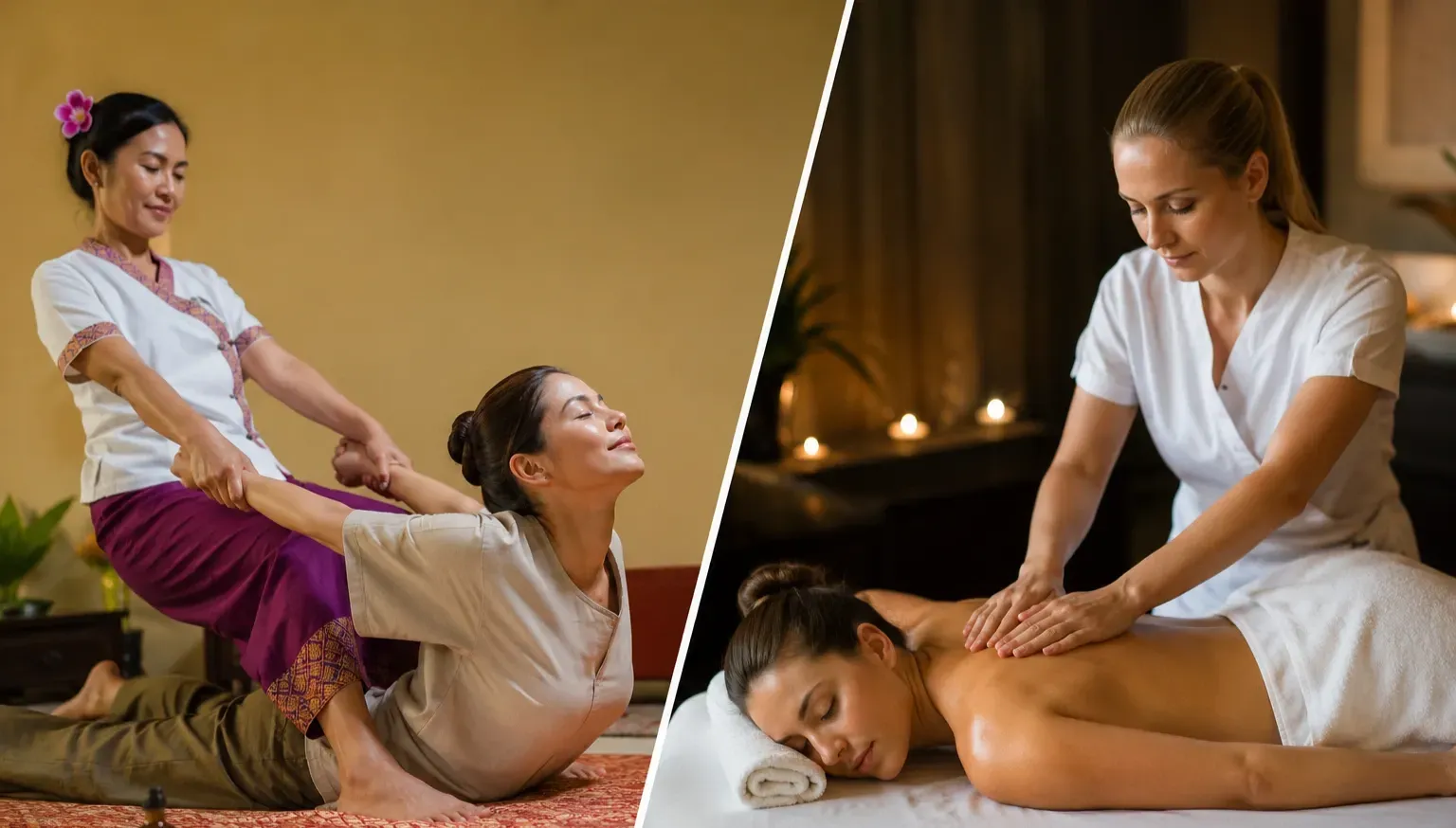
To answer the common question of what is thai massage, one must look closely at its historical roots and distinct application methods. Traditional thai massage is an ancient healing system that combines acupressure, Indian Ayurvedic principles, and assisted yoga postures. Unlike conventional western therapies, the client remains fully clothed in loose garments and lies on a supportive floor mat rather than an elevated table.
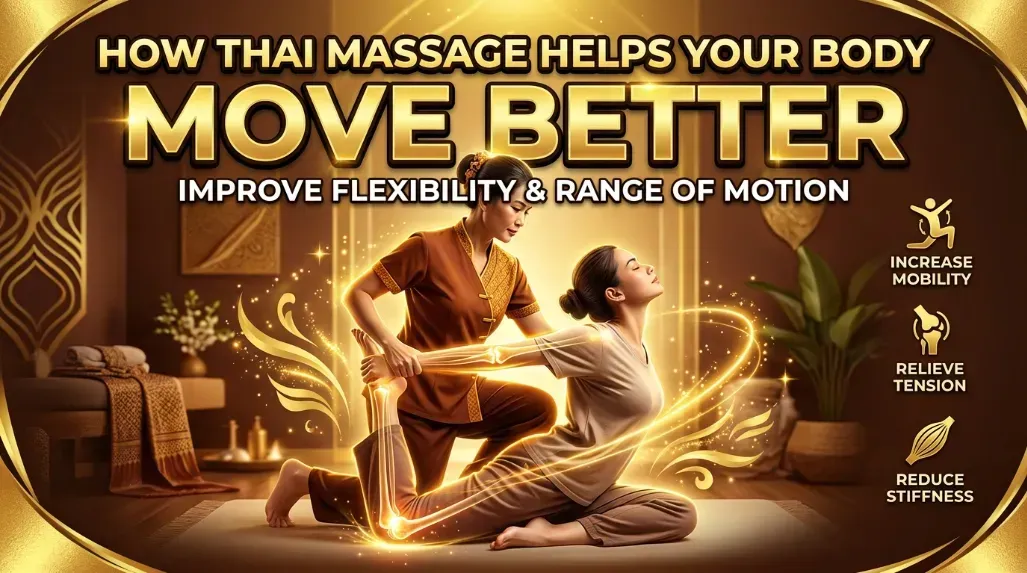
Thai massage therapy is a highly active process. The practitioner uses their hands, thumbs, elbows, forearms, and even their feet to apply deep pressure along specific energy lines. This dynamic approach forces the body into deep stretches that you might not be able to achieve independently. The resulting flexibility improvement is one of the most celebrated thai massage benefits.
Because of its rigorous nature, this modality serves as an exceptional muscle recovery tool. It aligns closely with the goals of a sports massage, actively releasing lactic acid buildup and mobilizing stiff joints. Clients seeking back pain relief or a targeted neck pain massage often find that the compressive techniques of a traditional Thai session provide superior, long-lasting results.
Swedish Massage Basics for Wellness and Relaxation
If Thai massage is characterized by active movement, Swedish massage is defined by passive tranquility. Developed in the 19th century, Swedish massage utilizes five core massage techniques: effleurage (long, gliding strokes), petrissage (kneading), tapotement (rhythmic tapping), friction (cross-fiber rubbing), and vibration.
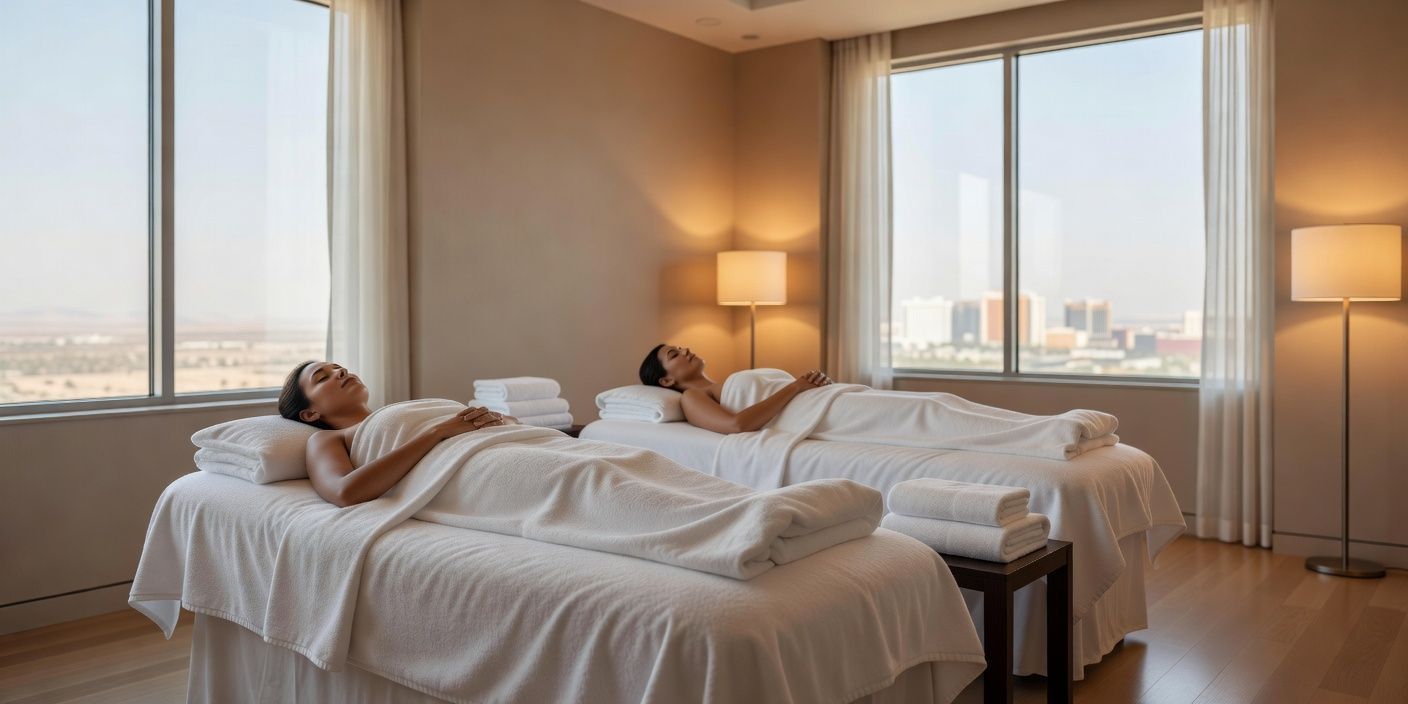
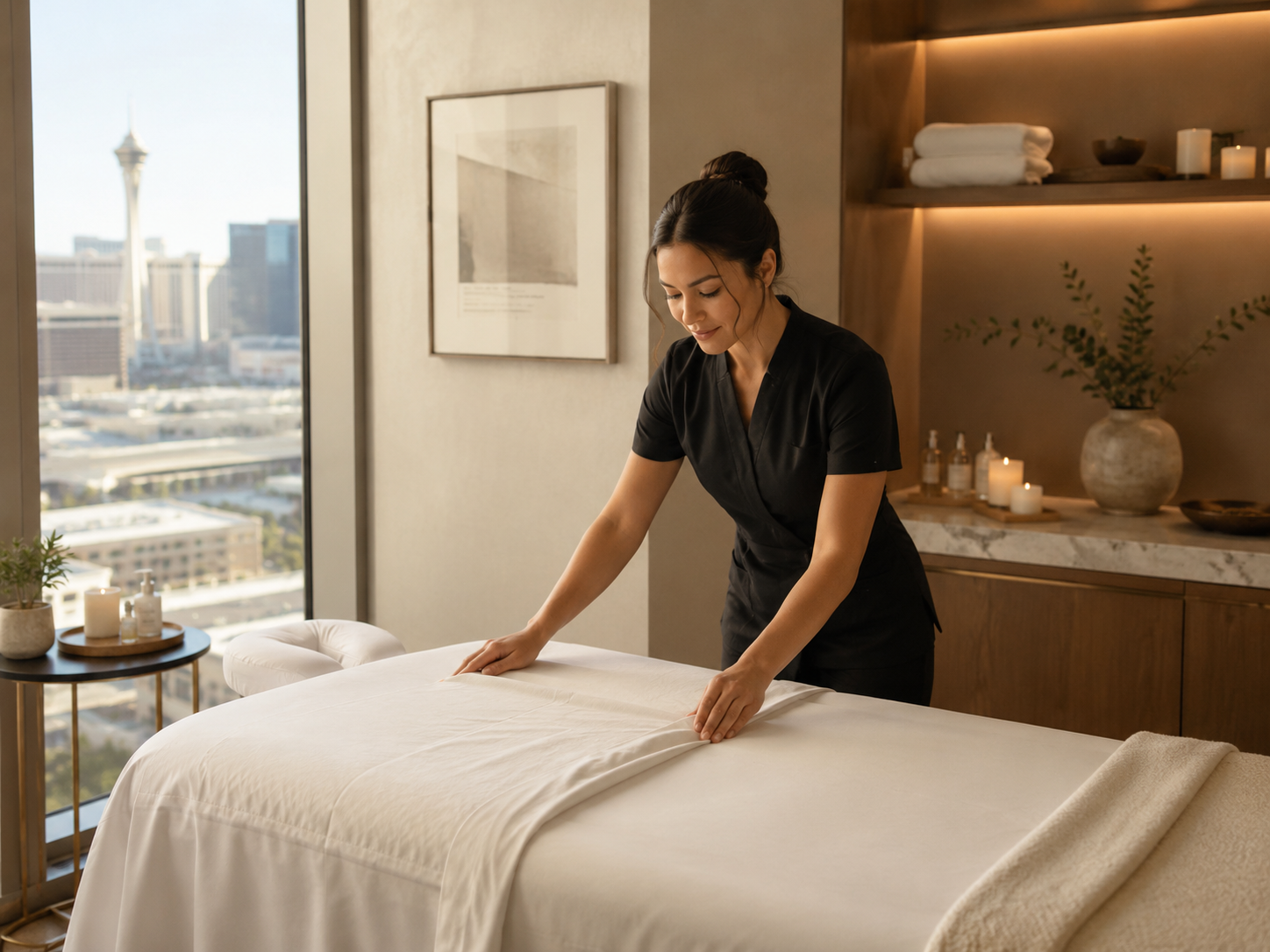
During a standard session, the client undresses to their comfort level and lies on a padded massage table underneath a modest drape. The therapist applies high-quality massage oils or lotions to facilitate smooth, continuous strokes. This friction-reducing approach makes Swedish therapy the premier choice for a relaxation massage.
The gentle to medium pressure promotes systemic circulation, increasing the flow of oxygen and nutrients to the muscles while simultaneously flushing metabolic waste. It is highly effective as a stress relief massage. When cortisol levels rise due to daily anxieties, a full body massage utilizing Swedish techniques helps reset the parasympathetic nervous system, classifying it as a foundational wellness massage.
Thai Massage vs Swedish Massage: A Detailed Massage Comparison
Understanding the structural differences between these two therapies allows clients to make informed decisions regarding their physical care. The following massage comparison highlights the distinct mechanisms and goals of each modality.
| Feature | Traditional Thai Massage | Swedish Massage | Primary Application |
|---|---|---|---|
| Core Technique | Assisted stretching, rhythmic acupressure | Gliding strokes, kneading, friction | Joint mobility vs. systemic relaxation |
| Client Attire | Fully clothed in loose, breathable garments | Undressed to comfort level, securely draped | Modesty preference, skin-to-skin contact |
| Pressure Application | Deep, localized compression using various body parts | Light to medium pressure using hands and forearms | Muscle tissue release, superficial circulation |
| Physical Setting | Firm mat positioned directly on the floor | Cushioned, elevated massage table | Grounded stability, traditional comfort |
| Use of Oils/Lotions | Rarely used | Heavily utilized to reduce skin friction | Dry manipulation, soothing tactile glide |
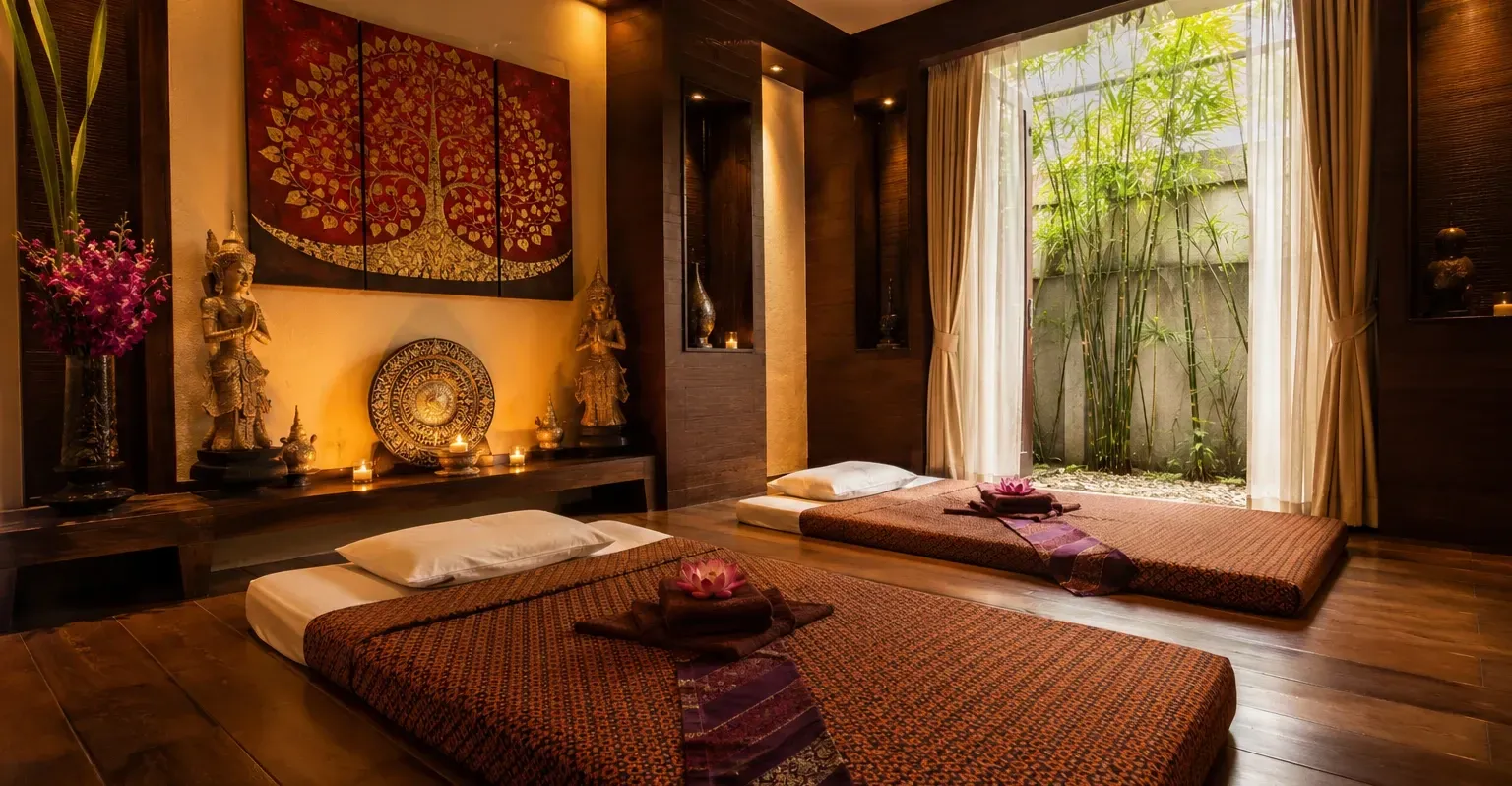
Evaluating Therapy Options for Muscle Recovery and Pain
Choosing between these two distinct styles often comes down to your current physical symptoms. If your primary objective is finding an effective massage for stress, the soothing, rhythmic nature of a Swedish session is highly recommended. The gentle manipulation of soft tissues reduces heart rate and blood pressure, creating a profound sense of physical and mental peace.
Conversely, if you are battling chronic stiffness, poor posture, or localized tension, a therapeutic massage focused on structural realignment is necessary. The deep tissue massage elements naturally found in Thai bodywork directly target the fascia and deep muscle layers. By actively pulling and stretching the limbs, the practitioner releases tight muscle bundles that cause chronic discomfort. This makes it highly sought after for acute back pain relief and rehabilitating overused muscles.
Combining Modalities and Exploring Spa Enhancements
Modern wellness centers frequently offer hybrid treatments that blend the best of both worlds. A Thai Combination Massage seamlessly integrates the deep stretching of traditional Thai methods with the fluid, oil-based strokes of western therapies. This ensures you receive both rigorous flexibility improvement and soothing tactile relaxation in a single session.
For those requiring deeper heat therapy, a Swedish & Hot Stone Massage utilizes smooth, heated river stones to melt away stubborn muscle knots before the therapist applies manual pressure. Beyond basic bodywork, comprehensive wellness routines often incorporate aesthetic and dermal treatments. Adding services like Facials & Skin Care or Microdermabrasion can clear away environmental pollutants and restore cellular turnover to your face. Similarly, a full Body Scrub & Rejuvenation treatment exfoliates dead skin cells, leaving the body primed to absorb hydrating oils during the subsequent massage. Sharing these experiences via a Couples Massage also provides an excellent opportunity to prioritize mutual wellness with a partner.
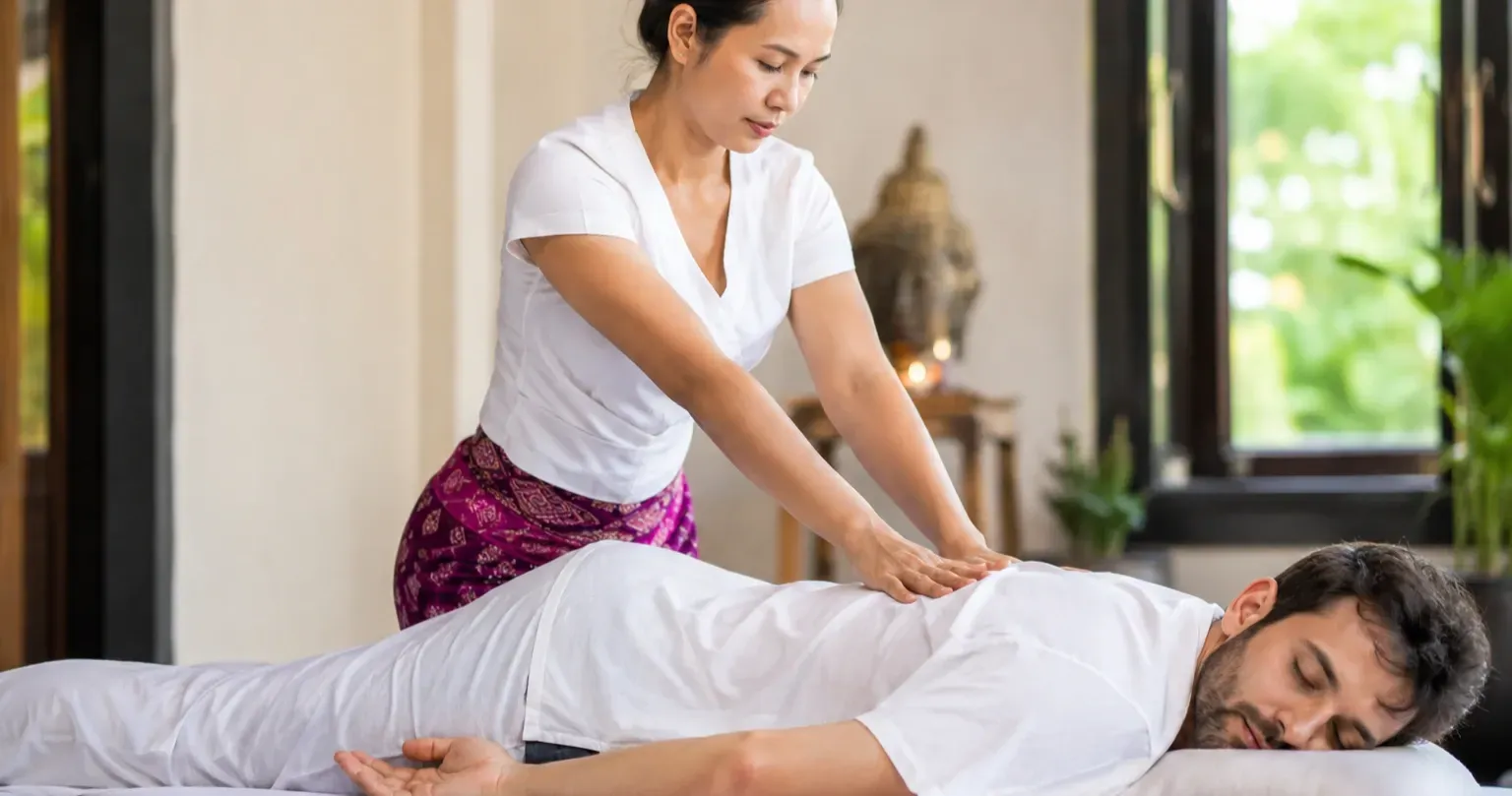
Finding the Right Thai Spa in Las Vegas NV
Locating an authentic and highly skilled practitioner is critical to experiencing the full scope of thai massage benefits. The bustling environment of Las Vegas NV demands dedicated spaces for physical recovery and mental grounding. When residents and visitors search for a Thai massage near me, they require a facility that understands both the clinical and traditional aspects of bodywork.
My Thai Massage operates as a premier Thai spa dedicated to authentic healing. Located conveniently at 2301 E Sunset Rd. Las Vegas, NV 89119 Suite 19, the clinic offers an environment designed to block out the noise of the city and facilitate genuine therapeutic recovery. Every session is customized to address the unique anatomical needs of the client, ensuring a targeted approach to wellness.
Making Your Decision: Therapeutic Massage for Your Needs
Investing in your physical health requires understanding how different modalities interact with your body. A Swedish session offers an unparalleled pathway to immediate stress reduction and cardiovascular stimulation. It remains the gold standard for pure, unadulterated relaxation.
Meanwhile, traditional Thai bodywork provides a rigorous, kinetic intervention that actively corrects postural imbalances, stretches tight fascia, and clears energy blockages. If you are ready to experience the profound benefits of professional bodywork, contact the specialists at 725-205-1534 to discuss which therapeutic approach aligns with your health objectives. Taking the time to evaluate your physical requirements will guarantee a restorative and highly effective session.
Frequently Asked Questions
Can I request a specific pressure level during a traditional Thai massage?
Yes. While traditional Thai bodywork is known for its firm pressure and deep stretching, a professional therapist will always adjust their force based on your comfort level. Open communication is essential to ensure the treatment is effective without causing sharp pain.
How should I prepare for my first Swedish or Thai Combination Massage?
Hydration is critical before and after any bodywork session. Wear loose, comfortable clothing if you are receiving a traditional Thai treatment. For oil-based therapies, arrive with clean skin and avoid eating a heavy meal immediately prior to your appointment.
How often should I schedule a pain relief massage for chronic back pain?
For chronic conditions, scheduling a session once a week or bi-weekly initially can help break the cycle of muscle tension. Once your mobility improves and your pain decreases, transitioning to a monthly maintenance schedule is generally recommended to keep your muscles functioning optimally.