Assisted Stretching in Thai Massage: A Responsible Beginner’s Guide
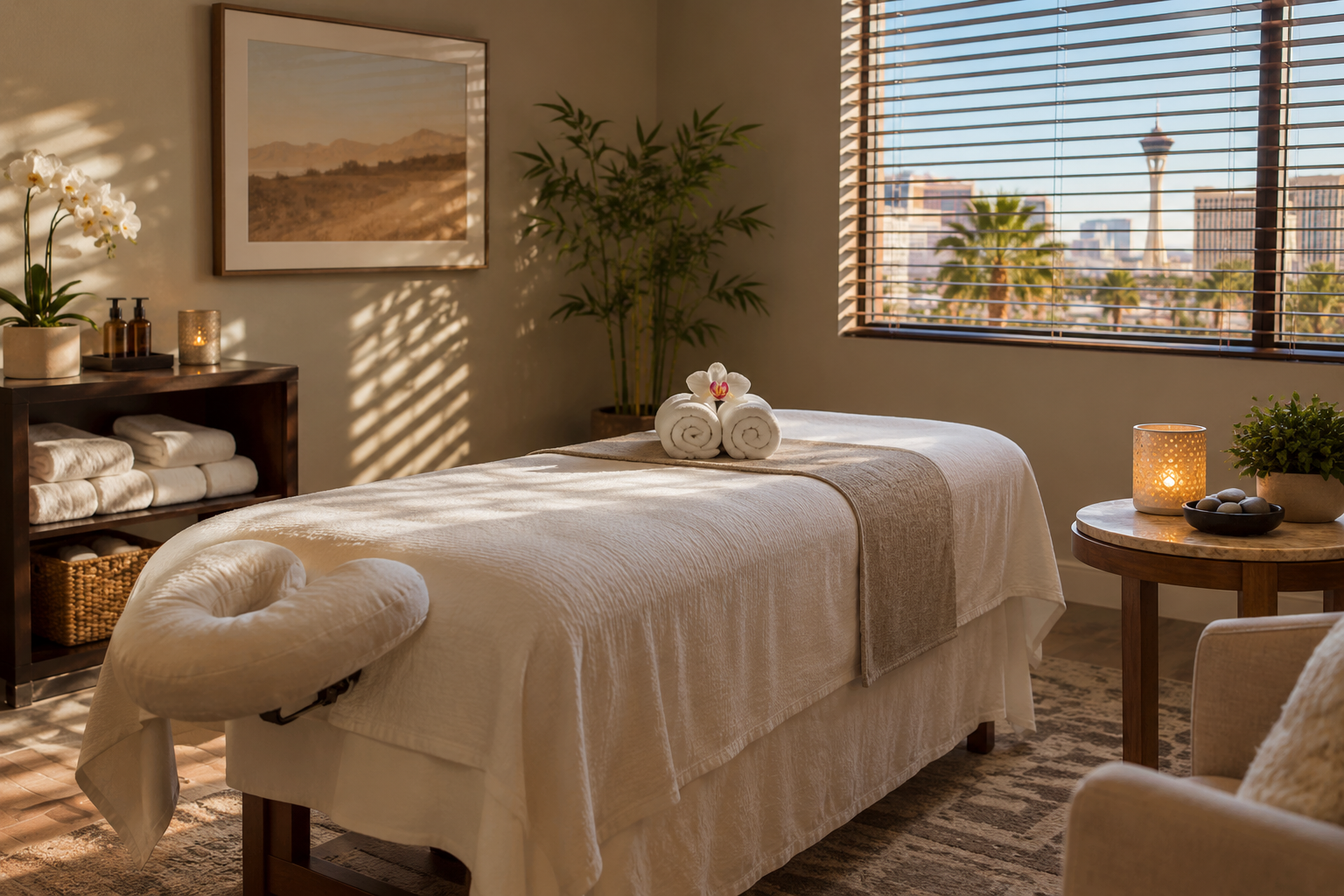
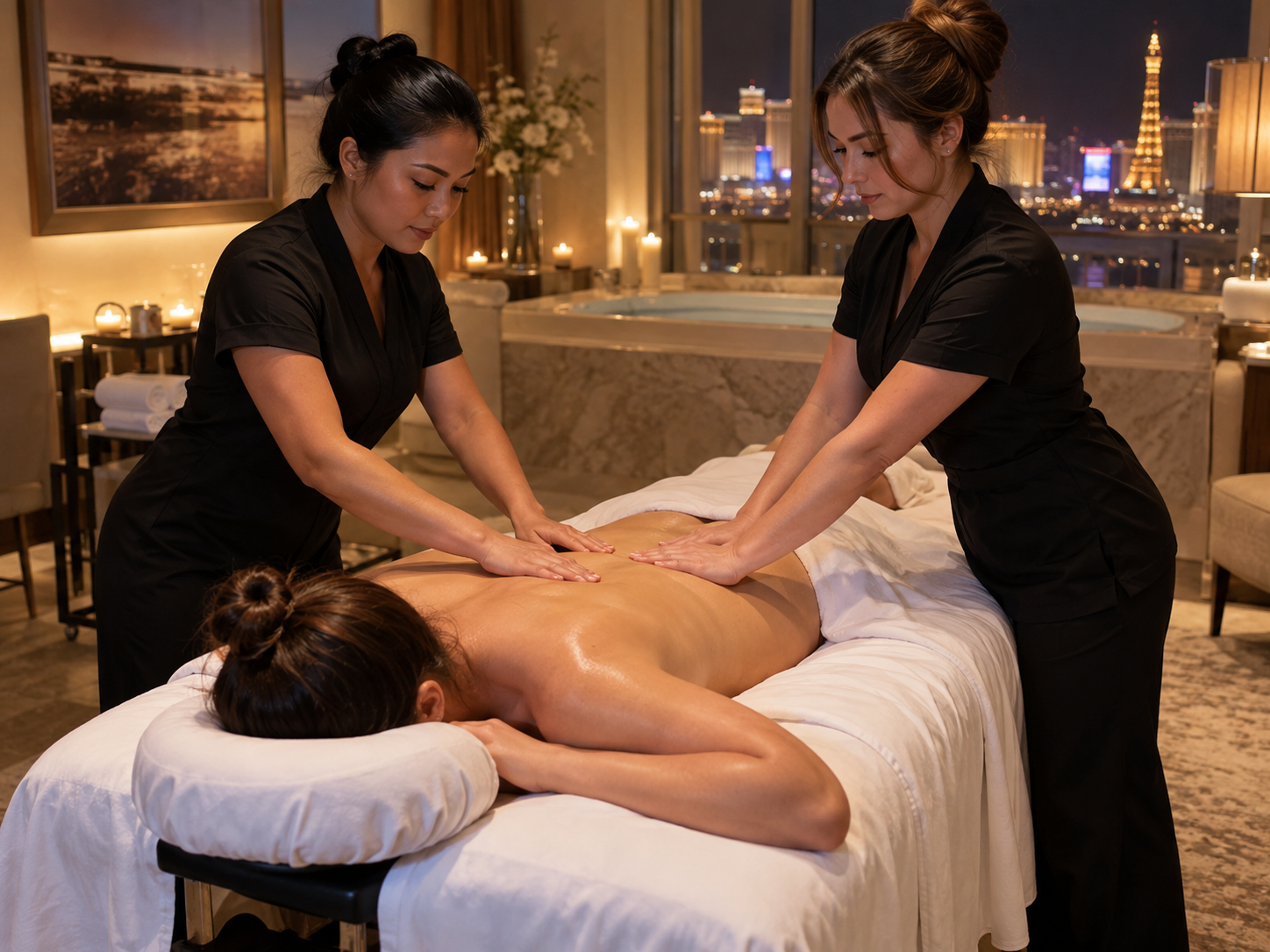
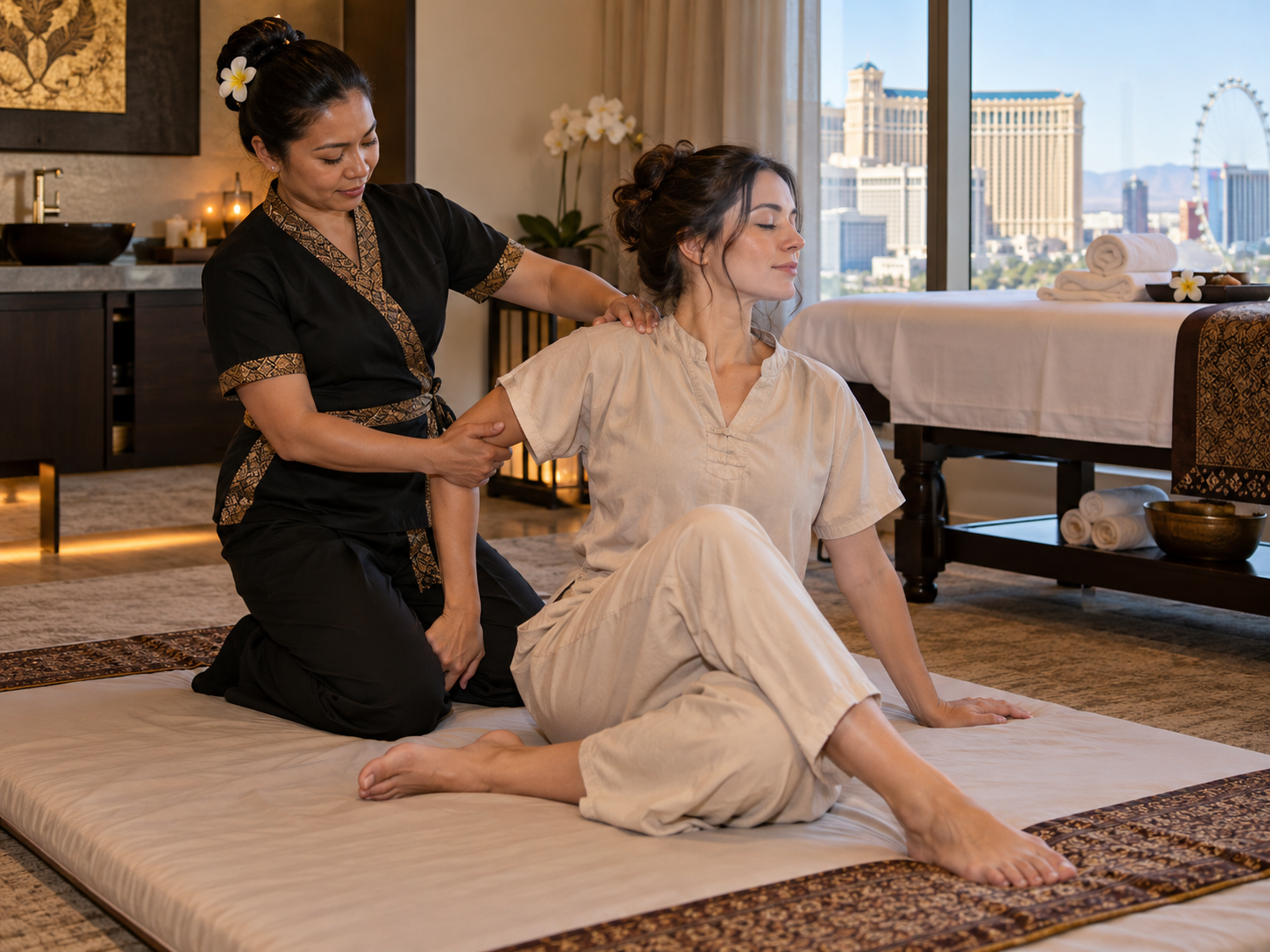
Wondering is Thai massage assisted stretching? Yes: Thai massage blends rhythmic pressure with guided, therapist-supported stretches that open joints and lengthen soft tissue while you stay passive and clothed. At My Thai Massage LV in Las Vegas, NV, practitioners pace each move for beginners and active adults so mobility gains feel controlled, not forced.
Key takeaways
- Thai massage includes assisted stretching as a core element, not an add-on.
- You remain relaxed while the therapist moves limbs through safe ranges.
- Sessions suit beginners when communication and gradual intensity come first.
- Book a paced assisted stretching session only with clear consent and comfort cues.
How does assisted stretching work in a first Thai session?
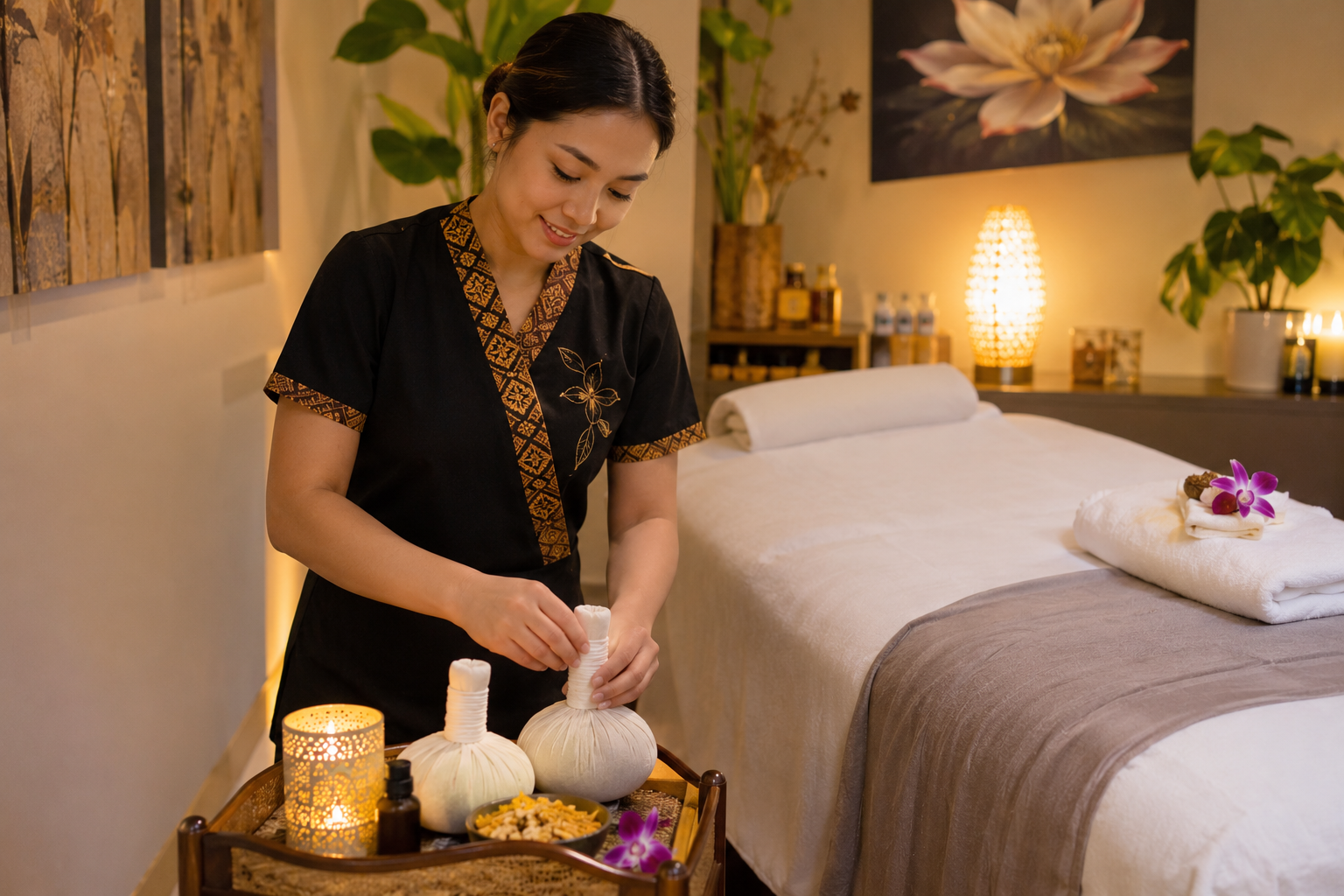
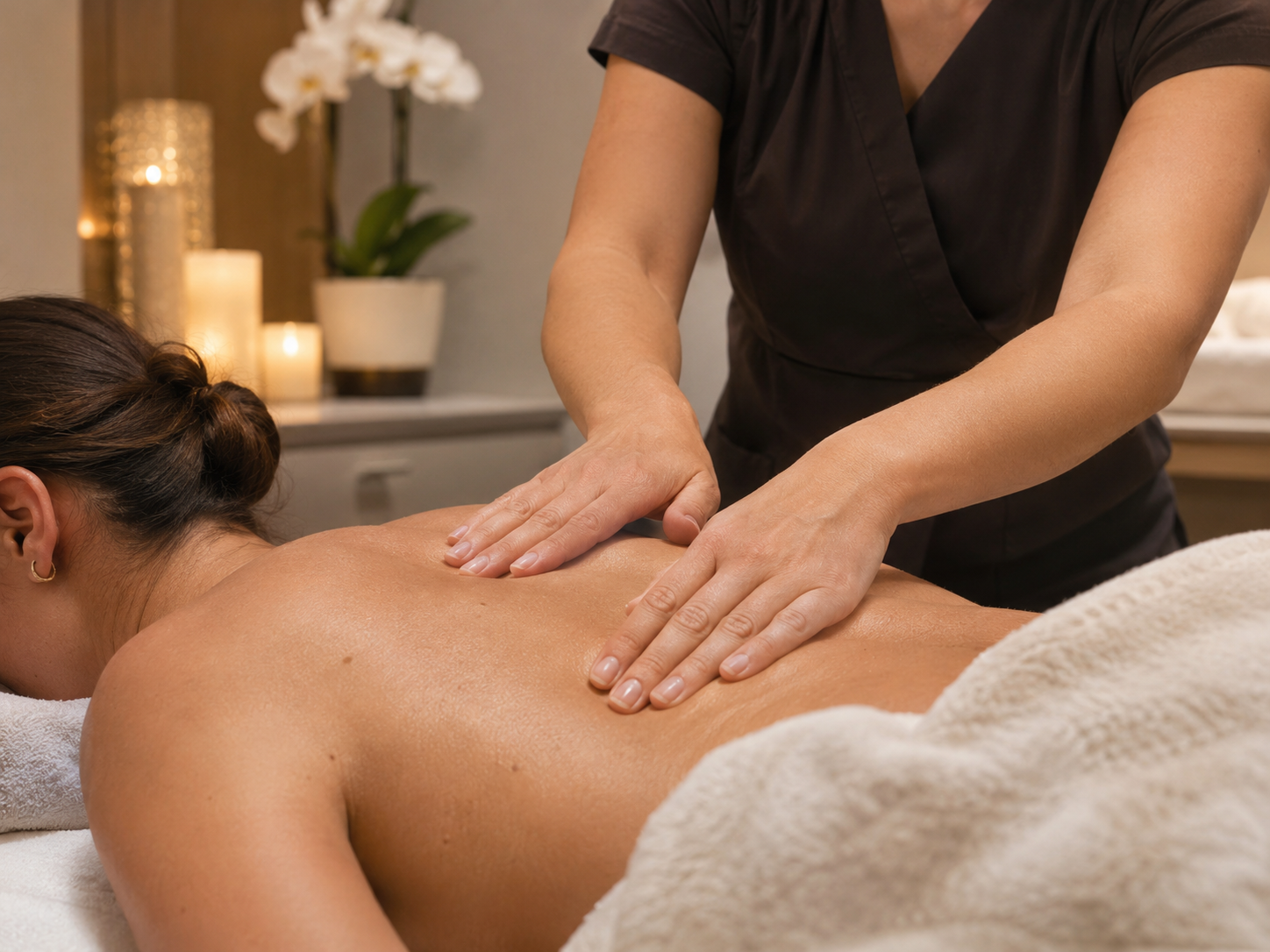
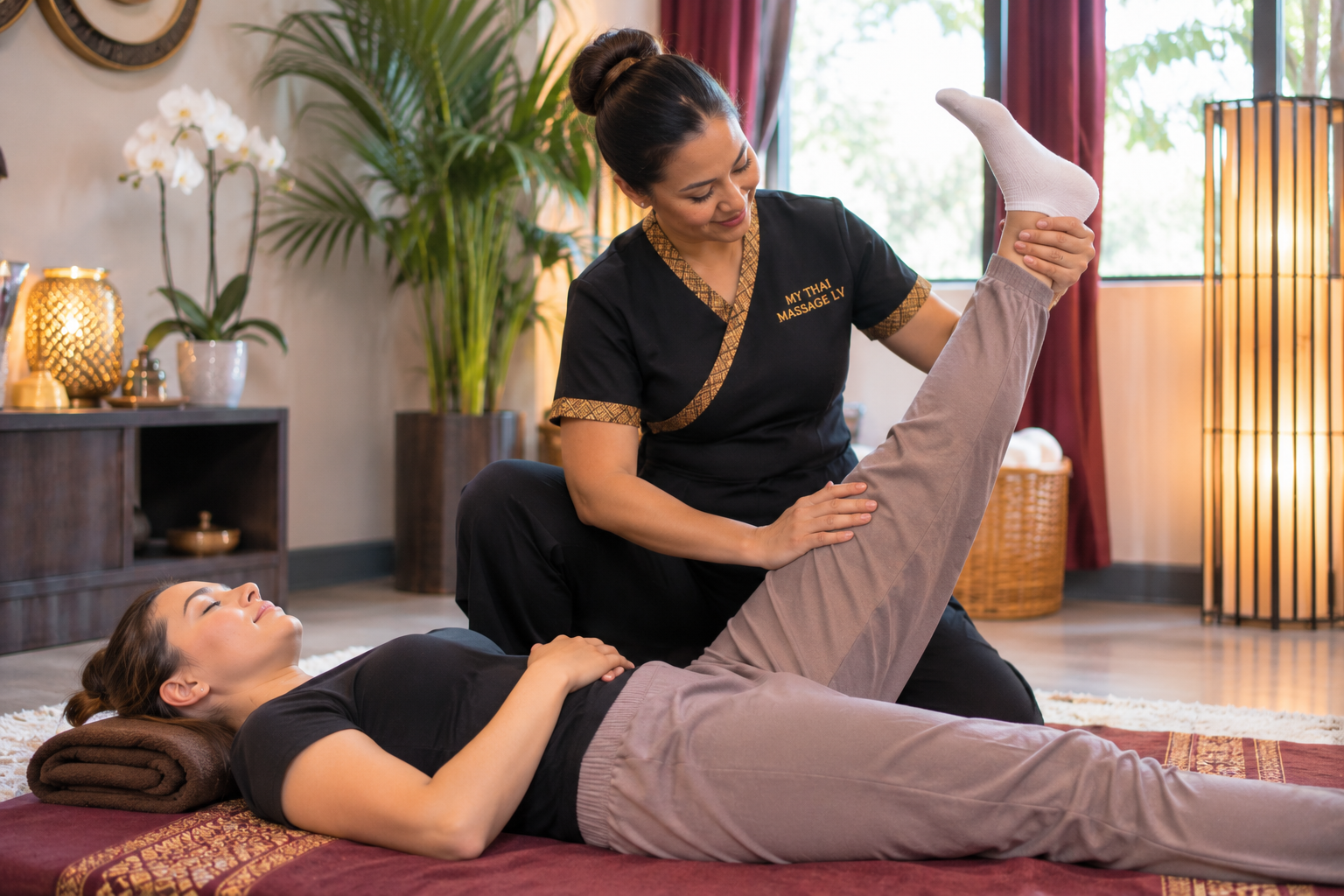
In a first visit, assisted stretching in Thai massage means the practitioner cradles and guides your limbs through slow, breath-timed ranges while you release effort, using body weight and leverage rather than ballistic force so beginners feel opening without strain or surprise. Work stays on a mat, fully clothed, with constant check-ins. Intensity rises only when you signal readiness. For a clear next step in Las Vegas, contact the studio to schedule.
Is Thai massage assisted stretching better than solo stretching for beginners?
For many beginners and active adults, Thai massage assisted stretching is often a better first step than solo stretching because a trained practitioner supports joints, sets the range, and times each hold with your breath so you stay passive, clothed, and less likely to force a position you cannot yet control alone in Las Vegas sessions.
Solo work builds habit and awareness. Assisted work teaches safe end ranges with external leverage. Neither replaces medical care. Choose based on how much guidance you want on day one.
| Option | Best for | Watch-out | Feel in session |
|---|---|---|---|
| Thai assisted stretching | Beginners needing guided ranges | Speak up if a joint feels pinned | Passive, paced, mat-based |
| Solo static stretches | Daily home maintenance | Easy to bounce or overhold | Self-timed, no partner |
| Solo dynamic drills | Warm-ups before activity | Form slips when tired | Active, higher control demand |
| Mixed plan | Active adults building mobility | Do not stack intensity same day | Alternate guidance and self-work |
Keep pressure conversational. Ask the therapist to shorten levers if hips or shoulders feel unstable. Progress is gradual opening, not a contest of flexibility.
Is Thai Massage Assisted Stretching Better Than Yoga Class Mobility for Beginners?
For many beginners in Las Vegas, Thai massage assisted stretching is often a clearer first mobility step than a mixed-level yoga class because a practitioner sets joint angles, supports your weight on the mat, and matches holds to your breath so you stay passive, clothed, and less likely to chase poses under peer pace or mirror pressure.
Yoga builds strength, balance, and self-cueing over time. Assisted Thai work externalizes leverage so you learn end range without loading unstable hips or shoulders alone. Active adults who already move well still use both; order matters more than loyalty to one format.
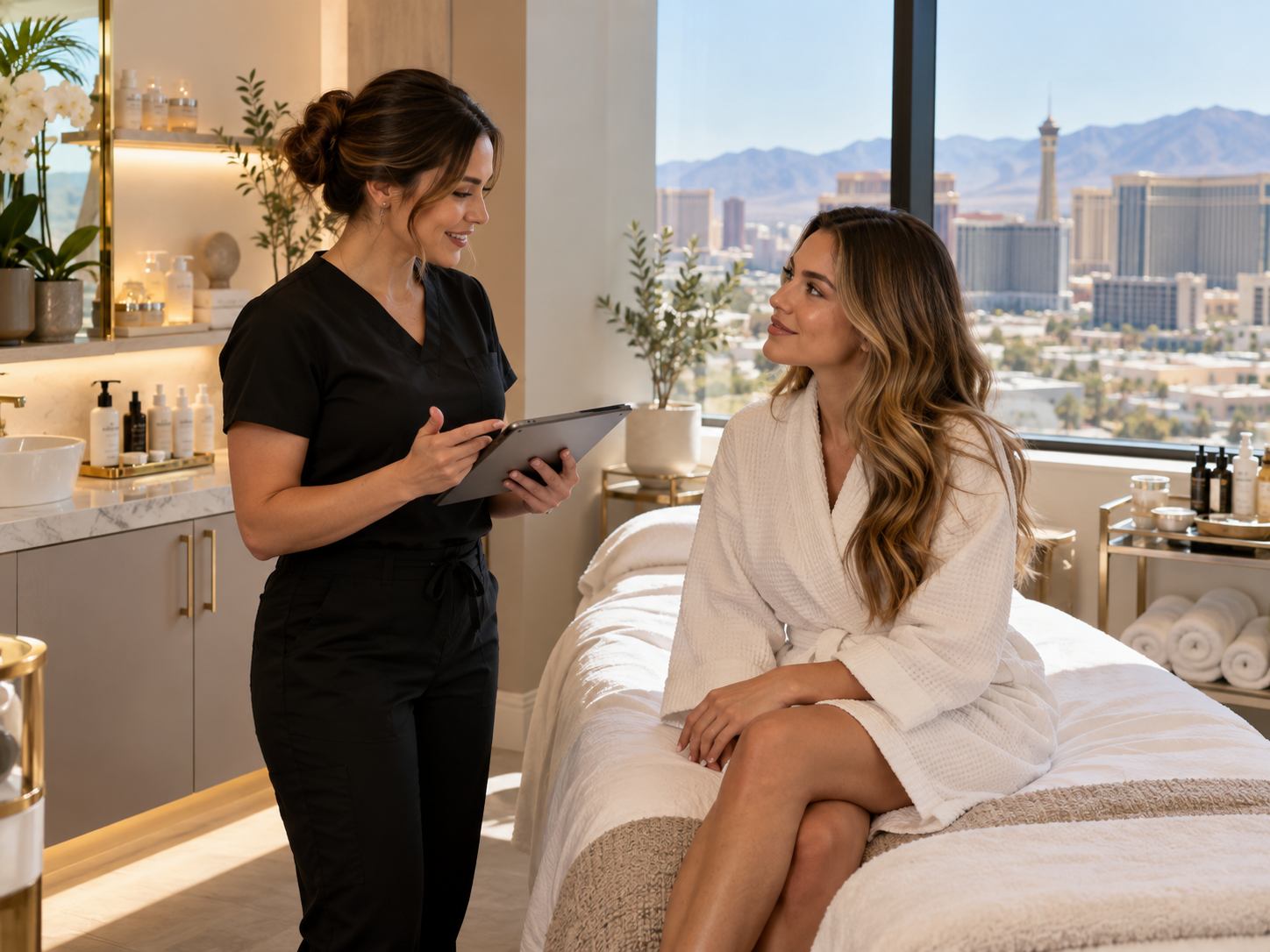
At My Thai Massage LV, sessions stay conversational. You can book assisted stretching on the services page when you want guided ranges before you add class intensity. Speak up if a lever feels long; shortening the hold protects the joint while you still get the stretch.
Use class days for coordination and breath under your own control. Use assisted days when you want feedback on where motion actually stops. Do not stack a deep assisted session and a hard mobility class the same evening if recovery is thin.
When you are ready for a paced first visit, contact the studio to schedule and name any joints that need extra care.
Who should wait or modify sessions
Is Thai massage assisted stretching suitable for every beginner on day one? Not always—recent injuries, uncontrolled pain, dizziness, or medical limits on joint loading mean you should clear care with a clinician first, then tell the practitioner which ranges stay off-limits so holds stay short, clothed, and breath-matched rather than forced.
Active adults with stable training loads usually tolerate gentle levers well. Still skip stacking a long assisted session with a hard mobility class the same night when sleep or recovery is thin. Name hips, shoulders, or low back issues early so leverage stays proximal and calm.
Keep sessions conversational. If a hold feels long, ask to shorten it. You remain passive on the mat; the goal is clear end range, not deeper poses under pace pressure.
Frequently Asked Questions
Is Thai massage the same as assisted stretching?
Thai massage often includes assisted stretching: the practitioner moves your limbs through ranges while you stay relaxed and clothed on a mat. It is not only stretch work—rhythm, compression, and breath pacing matter too—so beginners get guided end range without forcing poses alone or matching a class mirror pace.
Can beginners try assisted stretching in Thai massage safely?
Most healthy beginners can start with light, breath-timed holds if they disclose injuries and stop points. You remain passive; the practitioner matches leverage to comfort. Avoid same-day hard mobility classes when recovery is limited, and shorten any lever that feels excessive so joints stay protected.
How does assisted Thai stretching differ from yoga class mobility?
Yoga builds strength, balance, and self-cueing under your control. Assisted Thai work externalizes leverage so you feel true end range without loading unstable hips or shoulders alone. Many active adults use both; order and recovery matter more than choosing only one format for lasting ease.